Skiing Onsen And The Hokkaido Outdoor Life

Skiing, Onsen, and the Hokkaido Outdoor Life

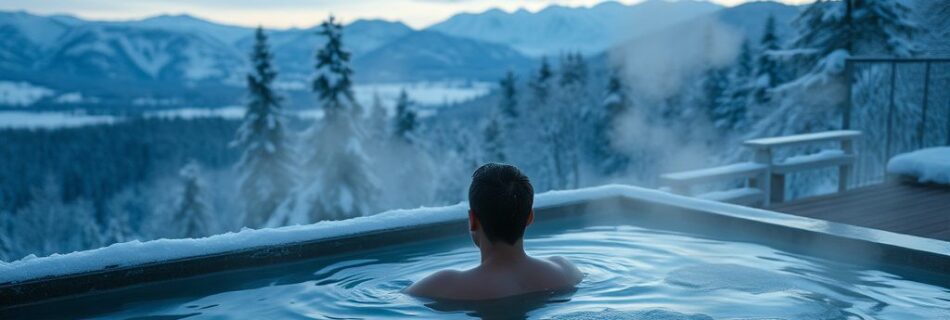
Hokkaido gets the lightest, driest powder snow on earth. This is not local boosterism. It’s meteorology. Cold Siberian air masses cross the Sea of Japan in winter, picking up moisture from the relatively warm sea surface. When that moisture-laden air hits Hokkaido’s mountain ranges, it dumps. Ten to fifteen meters of accumulated snowfall per season, …
Thirty Five Minutes To Sapporo Otarus Killer Advantage

Thirty-Five Minutes to Sapporo: Otaru’s Killer Advantage

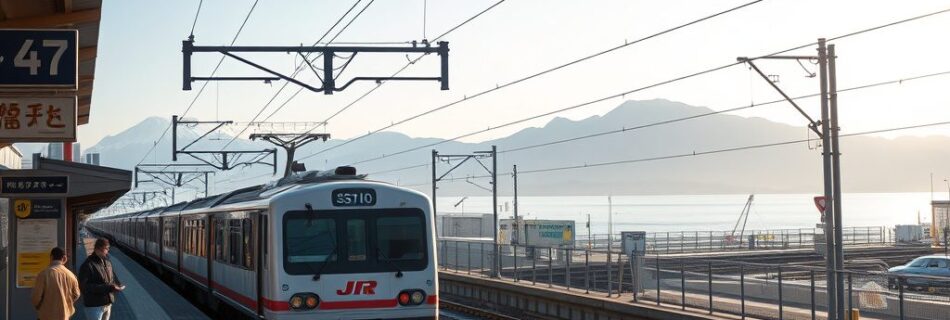
Every cheap property town in Japan has a story. The story usually goes like this: beautiful setting, fascinating history, incredible price, three and a half hours from the nearest city with a hospital and a department store. The house costs $8,000. Getting to civilization costs you half a day. Otaru’s story goes differently. JR Rapid …

Why Otaru A Port City That Accidentally Preserved Itself

Why Otaru: A Port City That Accidentally Preserved Itself

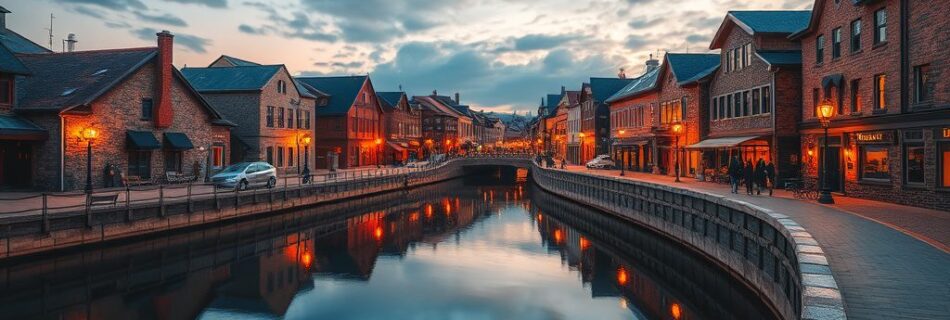
Most preserved cities were saved on purpose. Somebody formed a committee. Somebody else got a building designated. A third person wrote a grant proposal. The stone facades survived because organized people with clipboards fought to keep them standing. Otaru was saved by going broke. The Gateway That Got Left Behind In the late 1800s, Hokkaido …

Earthquake Proofing And The 1981 Building Code Divide

Earthquake-Proofing and the 1981 Building Code Divide

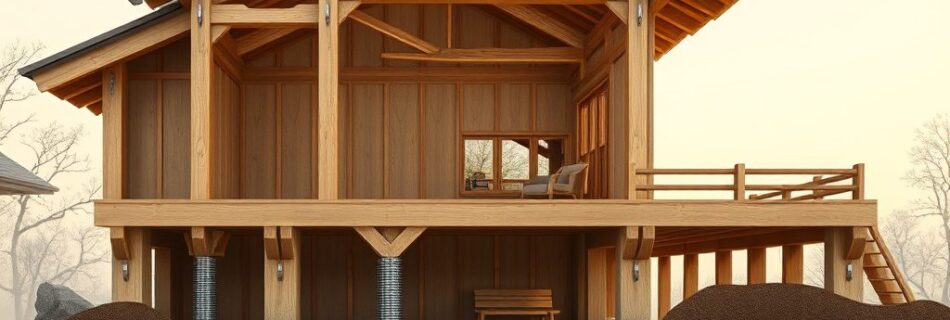
There’s one date in Japanese real estate that matters more than any other: June 1, 1981. On that date, Japan’s revised Building Standards Act went into effect, establishing what’s called the 新耐震基準 (shin-taishin kijun) — the new earthquake resistance standards. Every residential building in Japan falls on one side or the other of that line, …