
Fukuoka’s reputation rests on ramen, yatai food stalls and an easy airport a few subway stops from downtown. All of that is true, and all of it is on every list. The city and its hinterland also hold a bronze Buddha longer than a blue whale, a pitch-black tunnel you walk through to earn paradise, a gold seal from the first century and an island where the cats outnumber the fishing boats. Here are ten things to do in and around Fukuoka that most visitors miss.
1. Lie down with the reclining Buddha at Nanzoin
In the mountain town of Sasaguri, a short train ride from Hakata, Nanzoin temple keeps a bronze reclining Buddha 41 metres long, 11 metres high and about 300 tonnes in weight, often described as the largest bronze statue in the world. Completed in 1995, it shows the historical Buddha at the moment of entering nirvana. The scale is hard to take in until you are standing beside it. The temple grounds climb into the forest behind, with more to find along the paths.
2. Walk through hell at Tochoji
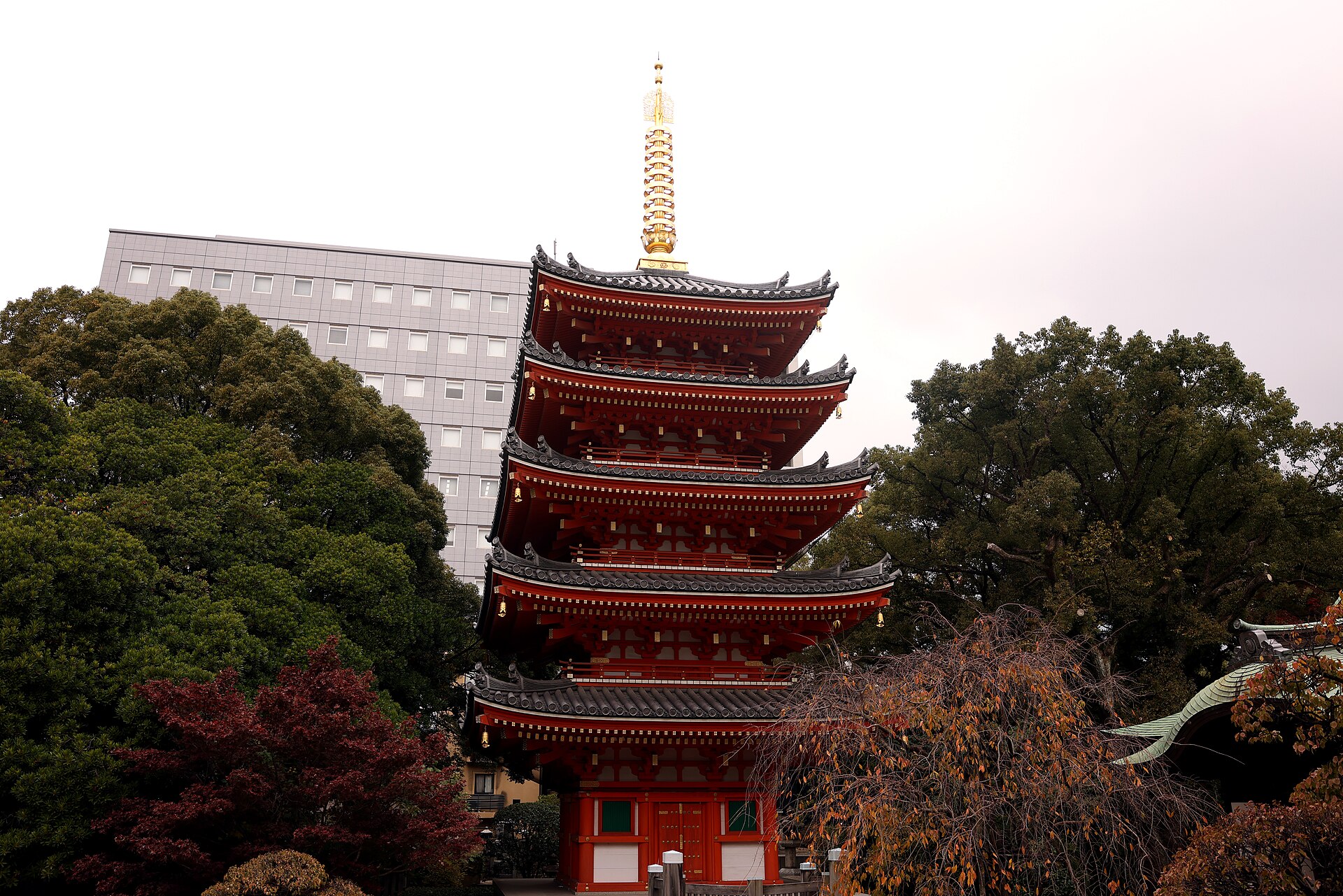
Tochoji in Hakata houses the Fukuoka Daibutsu, a seated wooden Buddha 10.8 metres tall and one of the largest of its kind in Japan. The real experience is underneath it. A passage runs through the pedestal in total darkness, and the custom is to feel your way along the wall until you find the ring in the middle. Touch it and, the story goes, you are bound for paradise.
3. See a festival float out of season at Kushida Shrine
The Hakata Gion Yamakasa festival has run for more than 780 years, each July from the 1st to the 15th, and it belongs to Kushida Shrine, the guardian shrine of Hakata. You do not have to come in July to see what it looks like. A decorative kazariyama float, around 13 metres tall and decorated with large doll figures, stands on the shrine grounds all year except June. Next door, the Hakata Machiya Folk Museum fills in the everyday life of the old merchant town.
4. Look at a gold seal that rewrote Japanese history
In 1784 a farmer named Jinbei was repairing an irrigation ditch on Shikanoshima when he lifted a large flat stone and found a small gold seal hidden beneath it. Its inscription names the King of Na, and it is linked to a Chinese record of a seal granted to a Japanese envoy in 57 AD. The Kuroda family, lords of the domain, kept it for generations and gave it to the city in 1978. It is now a National Treasure on permanent display at the Fukuoka City Museum. It measures about 2.3 centimetres on a side.
5. Follow the seal back to Shikanoshima
Shikanoshima is an island you can reach without a boat. A long spit of sand, the Uminonakamichi, ties it to the mainland, so a bus or bicycle will get you there. The island has fishing harbours, a small memorial park near where the gold seal was found, and Shikaumi Shrine, a centre of ocean worship for the Azumi seafaring people. It feels a long way from the city for somewhere so close.

6. Take the ferry to Ainoshima, the cat island
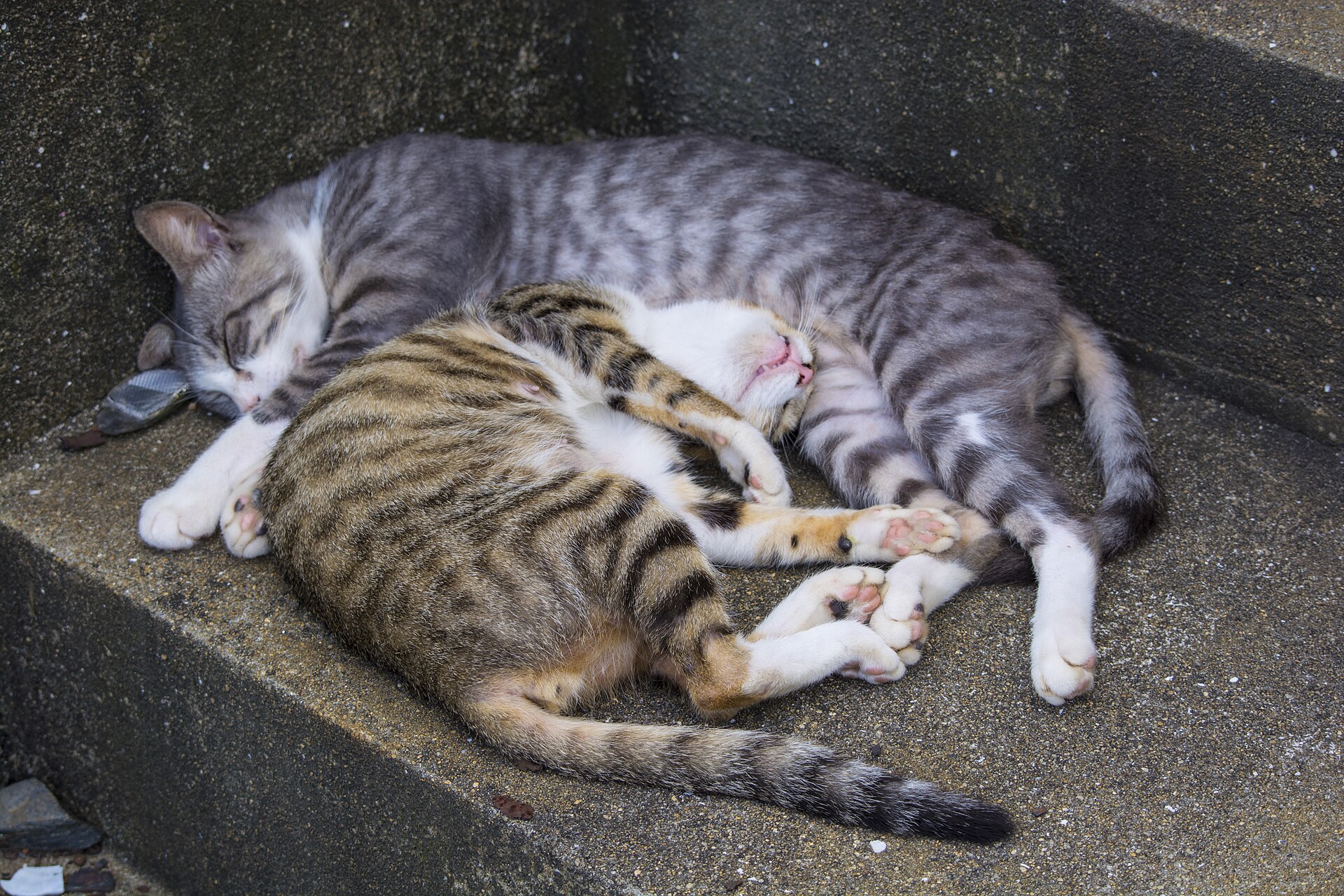
From Shingu Port on the northern edge of Fukuoka, a ferry of about 20 minutes reaches Ainoshima, a fishing island of roughly 700 people and more than 300 cats. The cats gather around the harbour and the fish-processing area, sun themselves on the breakwater and treat visitors with polite interest. The island also has a coastal walking path and a group of ancient stone burial mounds. Check the ferry timetable before you go, since sailings are limited, and follow local guidance on feeding.
7. Watch the sun set between the married rocks at Sakurai Futamigaura
On the Itoshima coast, about an hour by bus from Hakata Station, two rocks rise from the sea off Sakurai Futamigaura beach, bound together by a thick shimenawa rope. These meoto-iwa, the “married couple rocks,” stand in front of a white torii gate set on the sand. The spot is listed among Japan’s 100 best sunset views, and around the summer solstice the sun sets almost directly between the rocks. Itoshima’s cafés and craft shops make it an easy half day.
8. Drift through Yanagawa by donkobune
Yanagawa, south of Fukuoka, is a castle town laced with canals. Flat-bottomed boats called donkobune carry passengers on a course of about four kilometres that takes roughly 70 minutes, poled by boatmen who tell stories and sing as they go. You pass under low bridges, past old walls and willows, at walking pace. Afterwards, try the town’s specialty, unagi no seiromushi, eel steamed over rice.
9. Shop where Hakata shops at Yanagibashi Rengo Market
Known locally as “Hakata’s Kitchen,” Yanagibashi Rengo Market is a narrow covered arcade of about 100 metres, dating to the early Showa period. Dozens of small stalls sell fish from the Genkai Sea, mentaiko (spicy cod roe), vegetables and pickles, and a few of the shops run tiny eateries serving what they sell. Go in the morning, when the restaurant buyers are there.
10. Take tea at Rakusuien
About ten minutes on foot from Hakata Station, behind a plain wall, a Hakata merchant named Shimozawa Zenemon Chikamasa built a second home in 1906. The city opened it to the public in 1995 as Rakusuien, a pond garden with stone lanterns and tea rooms. Visitors can sit on the veranda with a bowl of matcha and a sweet. After the traffic outside, it feels a long way from the station.
Getting around
Most of these are reachable by Fukuoka’s subway and JR lines, city buses and the municipal ferries. Nanzoin, Tochoji, Kushida Shrine, the City Museum, Yanagibashi and Rakusuien all fit into city days. Shikanoshima, Ainoshima, Itoshima and Yanagawa each deserve a morning or an afternoon of their own. Opening hours and ferry schedules change with the season, so check them locally before setting out.
Top photo: The five-storey pagoda at Tochoji temple, Hakata. Gage Skidmore, CC BY-SA 4.0, via Wikimedia Commons.
