
Hallyuwood : The Stalled Saga of Goyang’s K-Culture Valley
In the heart of Goyang City’s Janghang-dong, just steps from the serene Ilsan Lake Park, lies a stretch of blue on the map that tells a story of ambition, delay, and frustration.

In the heart of Goyang City’s Janghang-dong, just steps from the serene Ilsan Lake Park, lies a stretch of blue on the map that tells a story of ambition, delay, and frustration.
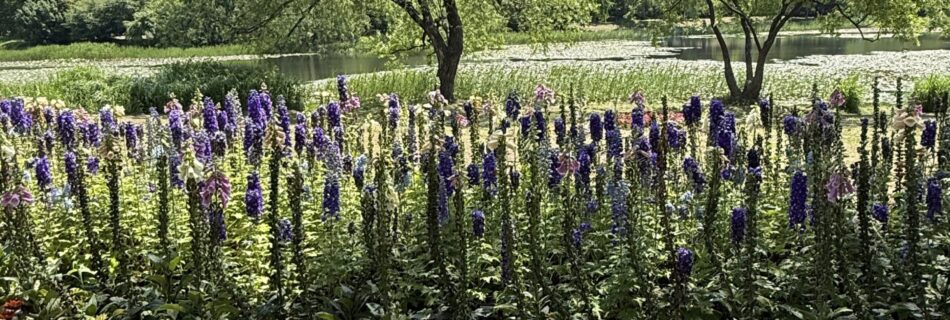
This wellness trend blends traditional Korean folk practices with modern “earthing” concepts, offering a refreshing counterpoint to urban life and even the “abandoned vibes” of nearby mega-projects.
Traditional roles clashed hard with fast changes. Women surged ahead in education and jobs but still handle most housework and face pay gaps plus career penalties for kids. Many young men resent mandatory military service, brutal job competition, and what they see as women gaining advantages while they get stuck with the old burdens.
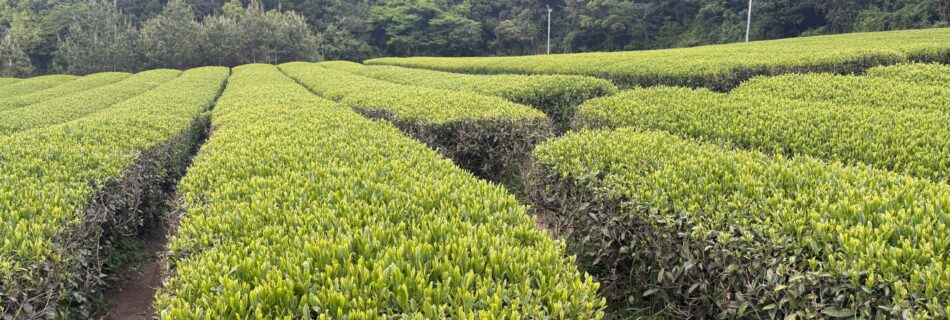
Korean green tea, known locally as nokcha (녹차), offers a refined, approachable alternative in the world of green teas.
In South Korea, turning 50 often marks a quiet but profound turning point for men—both native and foreign. For Korean men, it frequently signals the end of a lifetime defined by relentless work, family provision, and societal expectations, including rigid beauty and masculinity standards. For foreign men, it can amplify feelings of cultural dislocation in a society that, while increasingly globalized, still draws sharp lines between insiders and outsiders. This article explores the lived experiences of men in their 50s in South Korea, drawing on rising suicide statistics, reports of “lonely deaths,” expat anecdotes, and cultural attitudes. It examines common prejudices by race, nationality, and physical traits, highlights those who break the mold, and contrasts life across Seoul, Busan, and Jeju.
The hungry ghost doesn’t want specific things. It just wants more. More content. More validation. More outrage. More stimulation. The thing it’s consuming doesn’t matter — what matters is the consuming.