
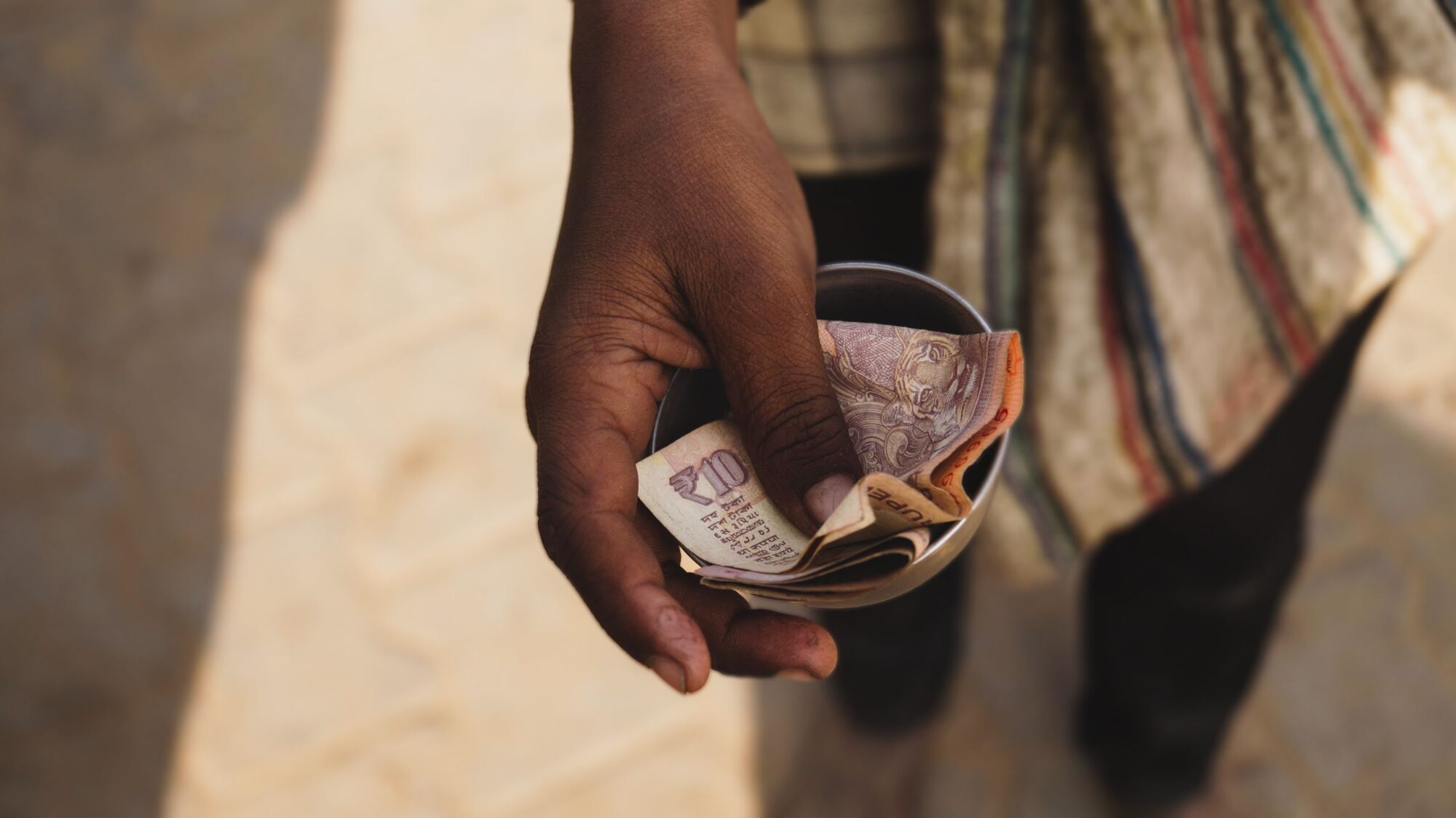
Part One: The Complexity of Tipping in India
Tipping in India isn’t a single custom. It’s a dozen overlapping ones, and nobody hands you the rulebook when you land in Delhi. You figure it out by watching, by guessing wrong, by the slight flicker on someone’s face when you’ve under-tipped without knowing it, or the surprised double-take when you’ve over-tipped by a factor of ten because you were converting rupees in your head and got lazy with the math.
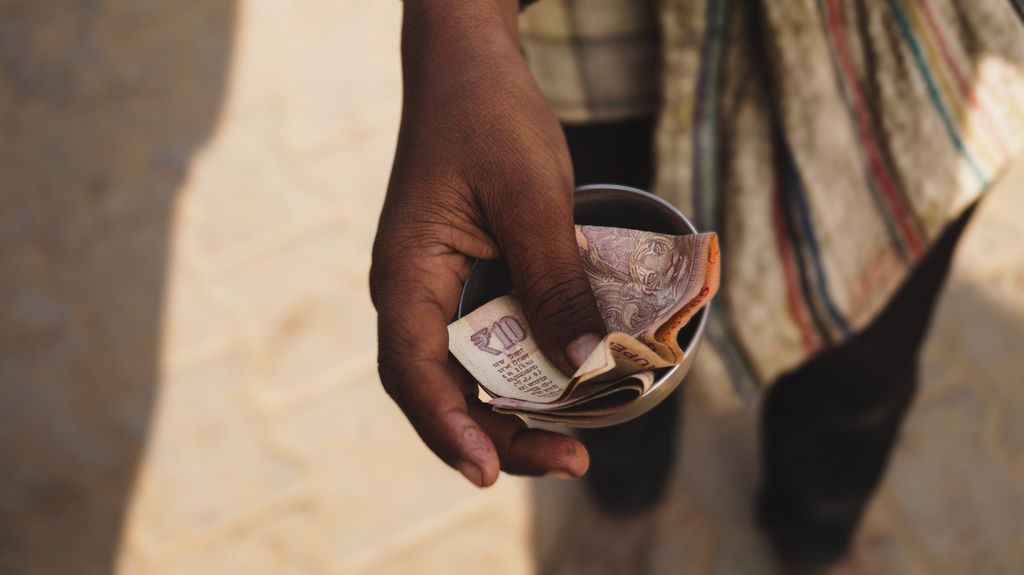
Here’s the terrain as I’ve come to understand it, five days into this stretch of the city.
Restaurants. Most mid-range and upscale places already add a service charge to the bill — look for it before you start doing mental gymnastics about a tip. It’s usually 5-10%, sometimes folded in as “GST” confusion that has nothing to do with tipping at all (that’s a tax, not a gratuity, and conflating the two is a rookie move). If there’s no service charge line, 10% in cash is generous and appreciated. At a dhaba or a street stall, you don’t tip. You just don’t. Rounding up to the nearest convenient note is fine, but the transaction is the transaction.
Auto-rickshaw and taxi drivers. Here’s where it gets genuinely murky. Negotiated fares (the norm with autos, despite the meters that exist mostly as decoration) aren’t tipped on top — the fare you agreed to is the fare. Metered or app-based rides (Uber, Ola) sometimes have a tip option baked into the app, and rounding up a bit is a kind gesture, not an obligation. Nobody is expecting a 20% American-style tip from a 15-minute ride that cost less than a coffee back home.
Hotel staff. This is where hierarchy actually matters, which sat uneasily with me at first. Bellhops, housekeeping, the person who hauls your bag up three flights when the elevator’s broken — small notes, 50-100 rupees, are appropriate and genuinely make a difference to someone’s day in a way that the same gesture wouldn’t in a country with a higher cost of living. Tipping is more expected here, more woven into the actual economics of the job, than it is for, say, a server at a casual restaurant.
Guides and drivers for day trips. If you’ve hired someone for hours or a full day — a temple guide, a driver who’s taken you across the city — a tip is genuinely expected and genuinely earned, especially if they’ve gone past the transactional and into the personal: explaining a story behind a carving, steering you away from a tourist trap, waiting an extra twenty minutes without complaint. I tend to think in terms of a meaningful percentage of what I’d have paid a guide back home, adjusted down for cost of living but not gutted to nothing.
Temples. Different animal entirely. What looks like a tip is often a donation, and the line between generosity and a low-grade shakedown by an opportunistic “guide” who attached himself to you uninvited at the gate is one you’ll learn to read fast. Official donation boxes are one thing. A stranger who offered unsolicited “help” and now has his hand out is another, and you’re allowed to walk away from the second one without guilt.
The throughline, if there is one: tipping in India isn’t a flat percentage you can apply uniformly like you might in the US. It’s contextual, relational, and tied much more directly to actual income disparity than to a script everyone’s agreed to follow. That makes it more honest, in a way — and also more work, because honesty requires you to actually pay attention instead of running the same 18% calculation in every country you visit.
Part Two: A Reluctant Tipper in India
The truth? Dancing around it would make the rest of this dishonest: I detest tipping culture. Not tipping itself — generosity is fine, generosity is good — but the culture, the system that’s been built around it, the way it’s metastasized from a gesture into an obligation into, in the US, something closer to a second invisible price tag that businesses get to avoid printing on the menu.
I say this as someone who has worked the jobs where tips were the actual paycheck. I’ve guided tourists. I’ve waited tables. I’ve stood behind a bar for shifts that ran past midnight, making other people’s nights better while mine quietly drained away. And here’s the thing nobody tells you going in: the tip doesn’t just supplement your income. It gets inside your motivation. It rewires why you’re doing the work at all.
There’s a version of doing a job well that has nothing to do with money — the version where you remember someone’s drink order because you’re good at your job, where you take a guest the long way to a temple because the light is better and you want them to see it that way, where you make sure a table’s water glasses never sit empty because that’s just what competence looks like. That instinct is real, and it’s a genuinely good one. It’s craft. It’s pride. It’s the same impulse that makes a writer rewrite a sentence nobody will ever notice was rewritten.
Tipping culture, especially the American strain of it, takes that instinct and puts a price on it in a way that eventually corrodes it. I watched it happen to myself. There were nights I gave someone the long version of the temple story, the good service, the extra effort — and got stiffed, or got the insulting two dollars on a forty-dollar tab — and something in me curdled a little. Not just disappointment. A genuine, traceable drop in how much I cared about the next table, the next guest. I did less. I did it worse. Not because I’m a petty person, though maybe I am a little, but because the system had already told me, explicitly, that the quality of my work was a financial transaction and not a craft — so when the transaction failed, why would the craft survive it intact?
That’s the actual indictment of tipping culture, more than the math of it. It doesn’t just redistribute income inefficiently, though it does that too, putting the burden of paying living wages onto customers’ guilt and unpredictable generosity instead of onto the business that’s actually profiting from the labor. It corrupts the motivation underneath good work. It takes “I do this well because I’m good at this and it matters to me” and slowly replaces it with “I do this well because I’m being assessed, moment to moment, by a stranger with a pen.”
Japan is the cleanest counter-example I know. Tipping isn’t just absent there — it’s actively discouraged, sometimes outright refused, occasionally a little embarrassing to attempt. A server will chase you down to return money you left on the table thinking you were being polite. And the service, by any honest measure, is extraordinary — not despite the absence of tipping, but in some real sense because of it. The motivation is internal. It’s about omotenashi, about a job done with full attention because the doing-it-well is the point, not a means to a tip. Nobody’s leaving a percentage on the table to be evaluated against. The work is the reward, or at least the work is supposed to carry its own dignity regardless of what a stranger decides to hand over afterward.
And that’s what makes the global spread of American-style tipping so quietly destructive. It’s not just an economic export. It’s a values export — the idea that quality of labor should be priced moment-to-moment by the person receiving it, rather than embedded in fair wages and professional pride from the start. I’ve watched tip jars appear at counters in places that never had them five years ago. I’ve watched apps default to a tip screen for a transaction that took thirty seconds and required no service at all. It’s spreading the way American food culture spread — not because it’s better, but because it’s loud, and ubiquitous, and backed by infrastructure that makes it the path of least resistance.
So here I am in Delhi, doing the math on a temple guide’s tip, working out whether the auto-rickshaw fare I just paid was fair enough on its own, trying to be generous in a place where that generosity actually changes someone’s day — while privately resenting the entire framework that makes me have to think about it at all. The reluctance isn’t about the money. It’s about a system I watched hollow out my own pride in my own work, more than once, and that I now get to watch quietly colonizing places that, until recently, had better ideas than we did about what it means to do a job well for its own sake.