
A Field Guide to Buying Gear in Thamel
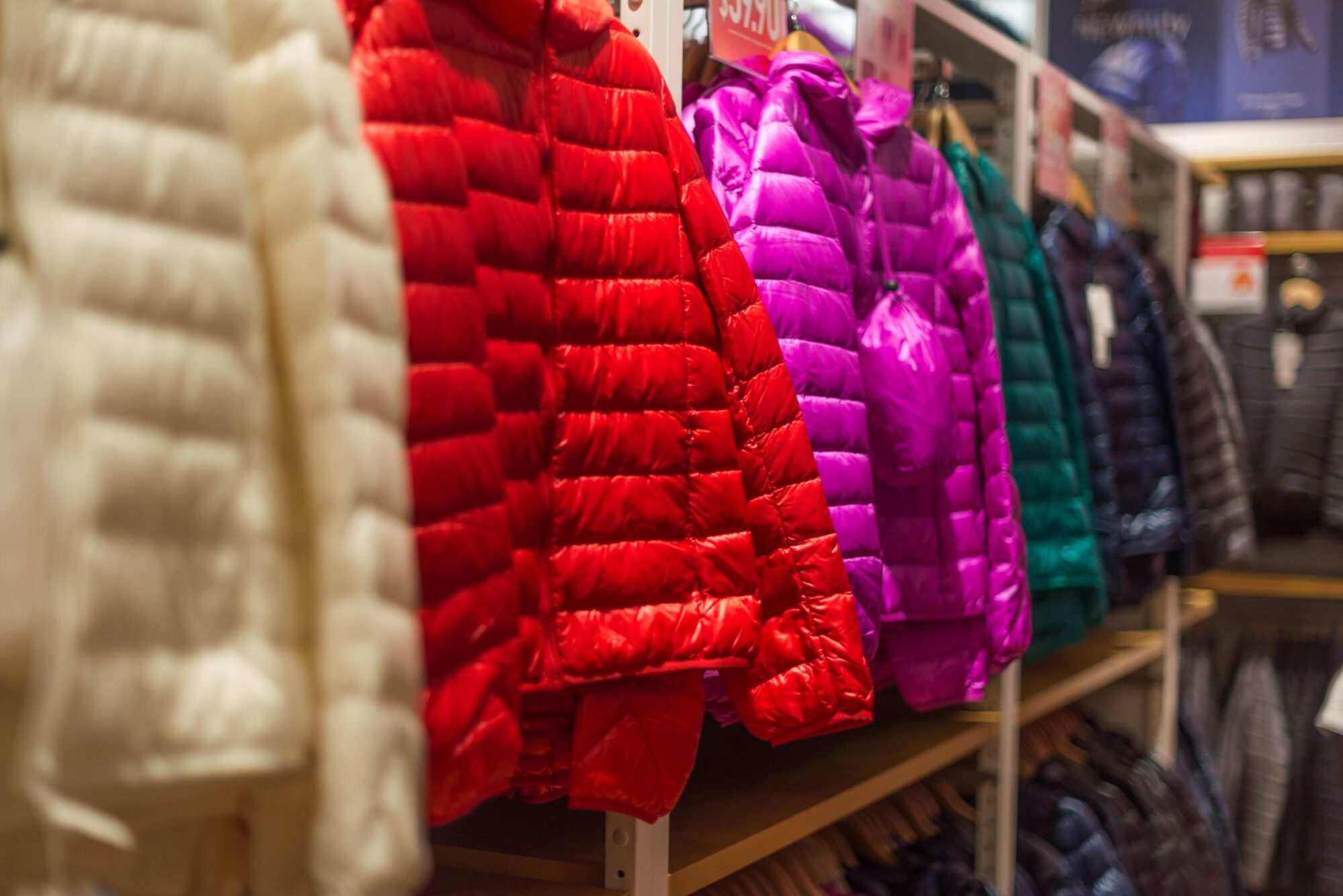
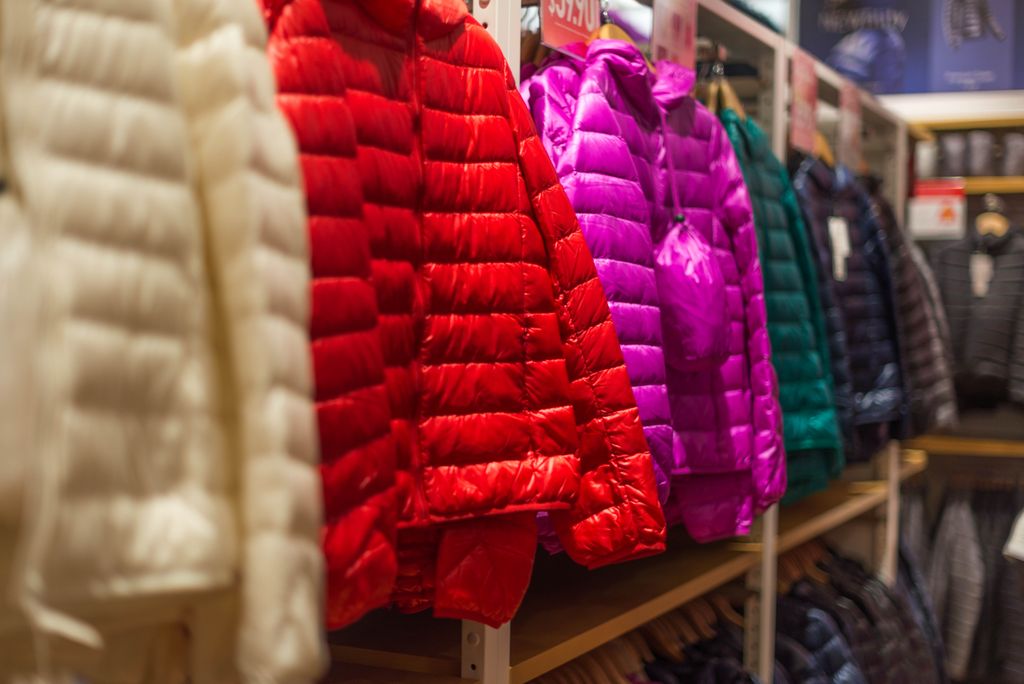
Thirty shopfronts in a single block, every one of them claiming to be selling real North Face, real Patagonia, real Mountain Hardwear. Jackets hang from awnings in colors no mountain has ever produced. A shopkeeper watches you thumb through a rack of down jackets and after a minute leans in and taps his nose twice, the local gesture for this is between us. He tells you it came from the same factory as the real thing, same machine, just no label sewn in. Maybe he is telling the truth. Maybe he is performing a different version of the truth, which in a market like this can amount to the same transaction.
Every trekker who has passed through Kathmandu has heard some version of the warning: it’s all fake. That’s not quite right, and treating it as gospel means missing the actual skill required here, which is not detecting fakes but grading them.
Three Tiers, One Street
The bottom tier is street trash, plain and simple. Bright jackets on outdoor racks, labeled Gore-Tex, made from something closer to a bin liner. Zippers stick, seams are glued rather than taped, and the whole thing will not survive a serious cold snap. These run eight to fifteen dollars and you get exactly what you pay for.
Above that sits what sellers call A-grade. Manufactured in the same regional supply chain as branded gear, sometimes literally in the same factories, using comparable materials, just without the license to put a swoosh or a mountain logo on the tag. These feel convincing in the hand. Stitching is even, zippers pull smoothly, the down has real loft. Twenty five to sixty dollars depending on how much you enjoy negotiating, which in Thamel is not optional, it is the actual mechanism of price discovery.
The rarest tier is genuine outlet stock, factory seconds that failed quality control on some minor point and got sold off through channels nobody advertises. These exist. Finding them takes either a local contact or the kind of stubborn shopkeeper loyalty that only comes from returning to the same three stalls for a week straight.
Then, half a dozen shops in, standing slightly apart from the theater, there is actual authentic gear. A real North Face outlet near Tridevi, close to the Garden of Dreams. Priced like it would be in Seattle or London. The joke among longtime trekkers is that the honest stores are the least interesting ones in the neighborhood, because there is no story in paying retail.
What’s Worth Buying Fake, and What Isn’t
The mistake tourists make is treating fake versus real as the only axis that matters. It is not. The axis that matters is what the garment is being asked to do.
Wool hats, gloves, mittens, and neck buffs are frequently made locally and sold honestly under no brand at all, and they perform exactly as well as anything from a Western outdoor catalog, because wool is wool whether or not a company paid for the name on the tag. This is the best value in the entire district, and almost nobody treats it that way because a plain wool hat does not photograph as well as a jacket with a familiar logo. Fleece mid-layers fall into the same category. There is no brand magic in a fleece, fake or real perform about the same.
A waterproof outer shell is the opposite case. This is precisely where the fakes fail, because a taped seam versus a glued seam is invisible until the moment water finds it, and by then you are already wet. Anything load-bearing or safety-critical, ropes, harnesses, crampons, high-altitude boots, belongs in the same category: buy new from a reputable source or bring your own, and do not let a good price talk you into gambling on something your life might depend on above 5,000 meters.
The Actual Skill
People who do well in Thamel arrive a day or two before they need anything and just wander. I talked with a few of them. They visit several shops, compare, check zippers and seams, and don’t buy on the first pass. Sizing is inconsistent from shop to shop, a medium in one place is a large in another, and the color you want is never in the size you need. The adjustment is mental: function has to win over form. A jacket that keeps you warm at a mountain pass matters more than one that matches the rest of your kit.
I could moralize about counterfeiting but the truth is, I hate brands and I hate capitalism. I’ve been looking for fake Prada t-shirt because paying $1.50 for one is the biggest eff-you I could give to luxury brands . The shopkeeper tapping his nose is not lying so much as narrating a market that has organized itself around a demand nobody upstream is willing to meet honestly. Nepal is not a wealthy country, the outdoor brands charging three hundred dollars for a jacket are not going to open enough legitimate outlets to serve the volume of trekkers passing through every season, and the gap gets filled by shops that are, in their own way, quite good at their jobs. What’s actually useful is understanding which layer of your kit can absorb that arrangement and which layer cannot. Wool does not know it’s fake. Water does not care about your seam tape’s provenance, only whether it’s there.