
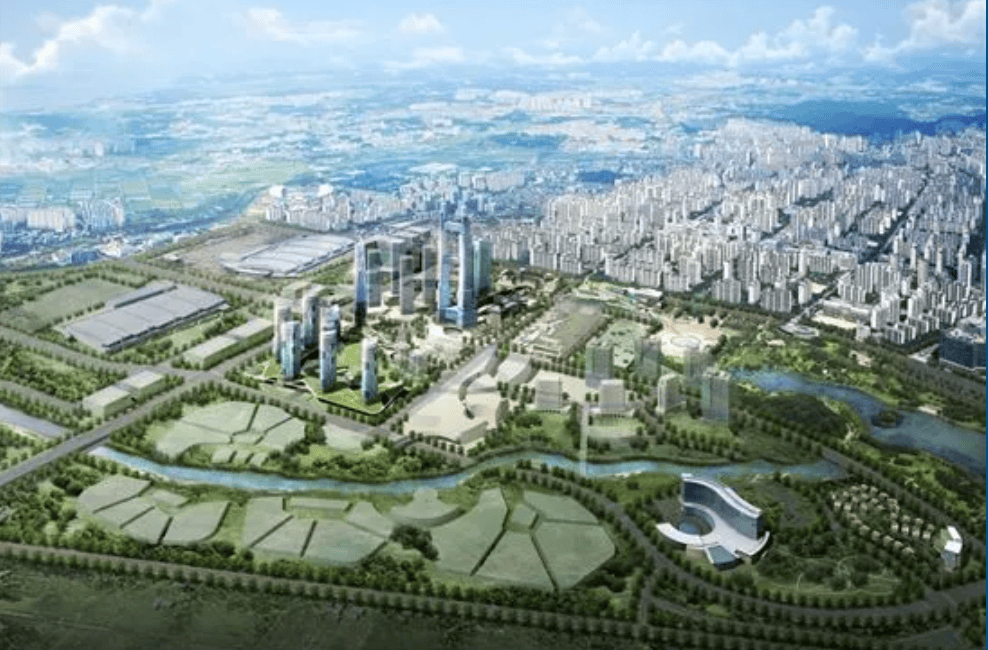
In the heart of Goyang City’s Janghang-dong, just steps from the serene Ilsan Lake Park, lies a stretch of blue on the map that tells a story of ambition, delay, and frustration. Known as Hallyu Stream (한류천), this local waterway—running near Myeokjeol-gil, World Goyang-ro, and developments like Sono Calm Hotel—has become a symbol of a much larger, long-troubled project: Hallyuwood, later rebranded as K-Culture Valley (or CJ LiveCity).
From Vision to Reality (or Not)
Originally conceived in the mid-2000s as “Hallyuwood,” the project aimed to transform the area into a glittering hub for the Korean Wave (Hallyu). Planners envisioned a massive K-culture complex: theme parks, studios, hotels, shopping zones, and—most ambitiously—a world-class K-pop arena capable of hosting tens of thousands of fans. By 2015–2016, CJ Group joined as the main implementer under the K-Culture Valley banner, promising economic boosts, jobs, and global tourism appeal near Seoul.
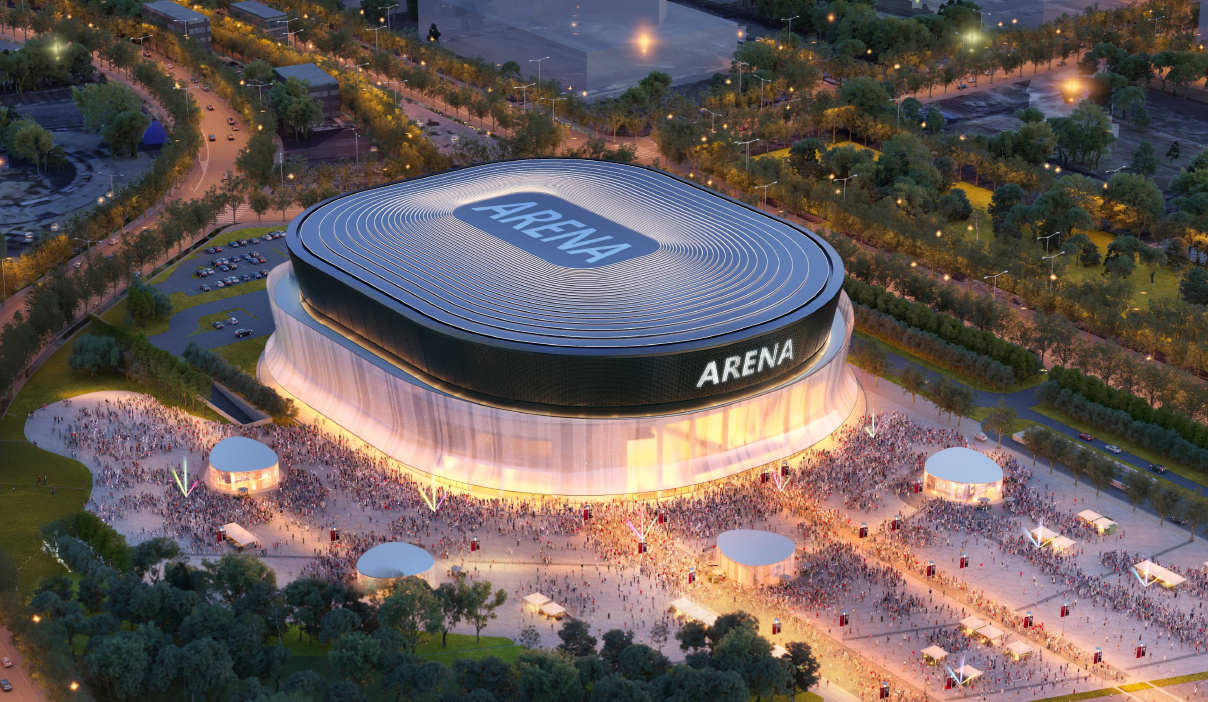
Groundbreaking for the centerpiece K-Culture Valley Arena (with indoor/outdoor capacity around 40,000–60,000) occurred in 2021 amid high hopes. Renderings showed a stunning, modern venue surrounded by vibrant public spaces, directly leveraging the area’s proximity to Ilsan Lake Park and the Hallyu Stream.

The Hallyu Stream: A Polluted “Canal” at the Center of Controversy
The blue strip you highlighted on the map—the Hallyu Stream—has been a persistent thorn. Once a natural tributary in the Han River system, it deteriorated into a polluted drainage channel filled with wastewater and debris as the surrounding area urbanized. Restoration plans, tied to broader waterway improvement efforts from the Lee Myung-bak era’s national projects (like the Four Rivers initiative), promised to turn it into a clean ecological park and waterfront amenity.
Instead, delays in water quality projects, public works, and environmental approvals stalled progress. The stream’s condition became a key excuse (or genuine bottleneck) for halting wider construction. Residents and officials repeatedly pointed to it as emblematic of unfulfilled promises in Goyang’s development.
Scandals, Politics, and Endless Delays
The project’s troubles run deep:
- Park Geun-hye / Choi Soon-sil Influence-Peddling Scandal (2016–2017): CJ’s involvement drew scrutiny during the massive corruption investigation. Though ultimately acquitted on related charges, the association triggered lengthy administrative probes, permit delays, and reputational damage. Licensing alone reportedly took over 50 months across multiple stages.
- Construction and Infrastructure Hurdles: Rising costs, power supply delays from KEPCO, and the stream cleanup issues led to a full suspension of works in April 2023 (with the arena only about 17% complete).
- Breakup with CJ: In 2024, Gyeonggi Province terminated its agreement with CJ LiveCity, citing unmet demands and lack of progress. Mutual lawsuits followed, with penalties and compensation claims in the hundreds of billions of KRW.
By 2025–2026, the project shifted to a public-private partnership model. Live Nation (the global entertainment giant) emerged as a preferred bidder for the arena portion, with hopes of resuming construction. However, further safety reviews and agreement delays pushed timelines back again, drawing sharp criticism from Goyang City officials and frustrated residents who have waited years for economic revitalization.
Local Impact and Lingering Questions
For longtime Ilsan residents—who helped fund amenities like Ilsan Lake Park decades ago—the project represents another chapter in uneven development. Nearby housing disputes (e.g., new complexes advertising “lake access”) and broader land/ownership issues in areas like Deogi District add to the sense of inequity.
The “abandoned canal” feel around Hallyu Stream mirrors larger patterns in Korean mega-projects: grand presidential-era visions colliding with bureaucracy, politics, environmental realities, and shifting administrations.
As of mid-2026, normalization efforts continue, with renewed private-sector interest. Whether Hallyuwood finally becomes a thriving K-culture landmark—or remains a cautionary tale of stalled ambition—remains to be seen. Locals, meanwhile, continue walking past the quiet blue stream, hoping the next chapter brings actual flow rather than more stagnation.