
Making it in Hawaii
The Price of Paradise: One Family’s Nine-Year Fight to Stay Afloat in Honolulu

The Price of Paradise: One Family’s Nine-Year Fight to Stay Afloat in Honolulu
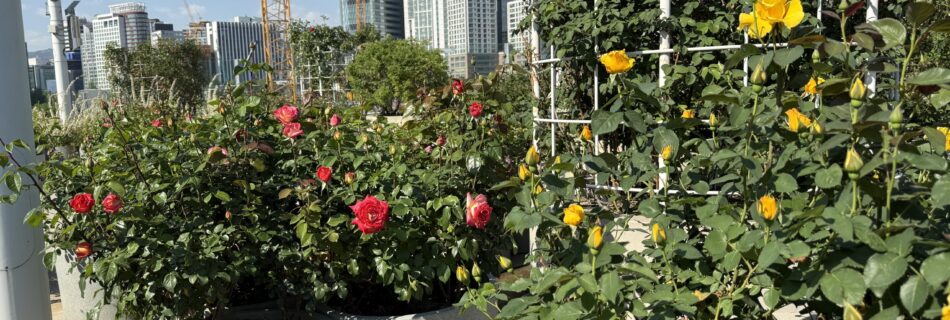
The other day, I had a nice walk through a park. It happened to be over the top of a train station and some of the busiest streets of Seoul, South Korea. Peaceful, serene, and floating over the chaos below. In the bustling heart of Seoul, where the historic Seoul Station meets the energy of …
Read more “Seoullo 7017: Seoul’s Elevated Skygarden – A Pedestrian Bridge Reborn”
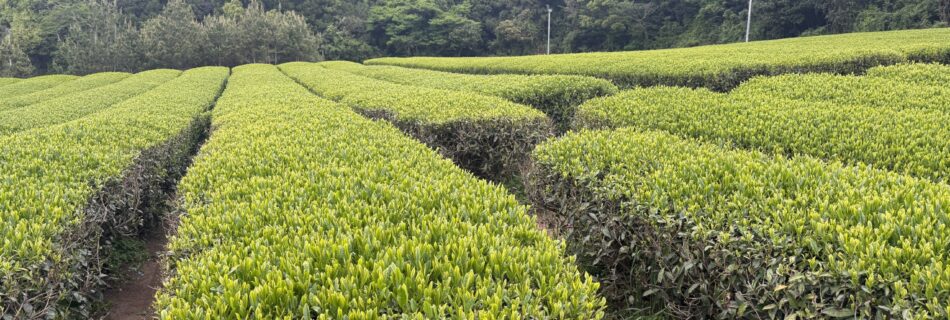
Korean green tea, known locally as nokcha (녹차), offers a refined, approachable alternative in the world of green teas.

In South Korea, turning 50 often marks a quiet but profound turning point for men—both native and foreign. For Korean men, it frequently signals the end of a lifetime defined by relentless work, family provision, and societal expectations, including rigid beauty and masculinity standards. For foreign men, it can amplify feelings of cultural dislocation in a society that, while increasingly globalized, still draws sharp lines between insiders and outsiders. This article explores the lived experiences of men in their 50s in South Korea, drawing on rising suicide statistics, reports of “lonely deaths,” expat anecdotes, and cultural attitudes. It examines common prejudices by race, nationality, and physical traits, highlights those who break the mold, and contrasts life across Seoul, Busan, and Jeju.
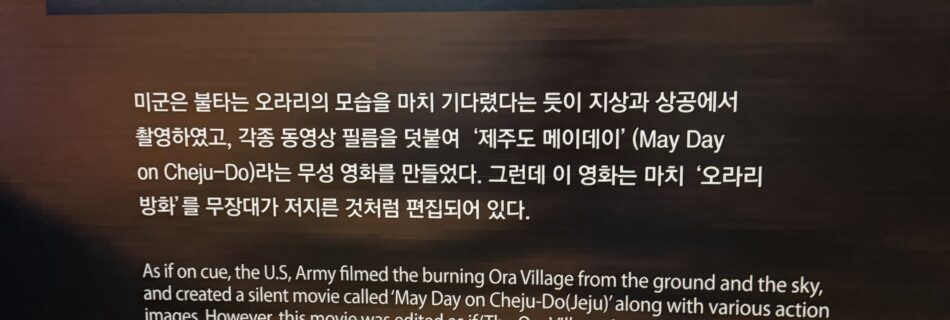
Jeju was repeatedly labeled a “red island” by U.S. officials, with estimates claiming 70–90% of the population was communist or sympathetic. This ideological framing justified a campaign of “cleansing” the island of “Reds.”
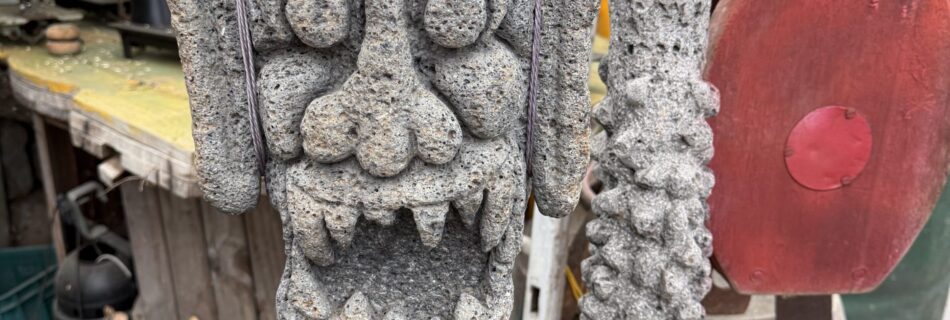
Far from polished tourist traps, this family-run spot feels like a personal time capsule—where retro relics, traditional farm tools, and heavy-metal blacksmithing history mingle among ripening Hallabong oranges.1