
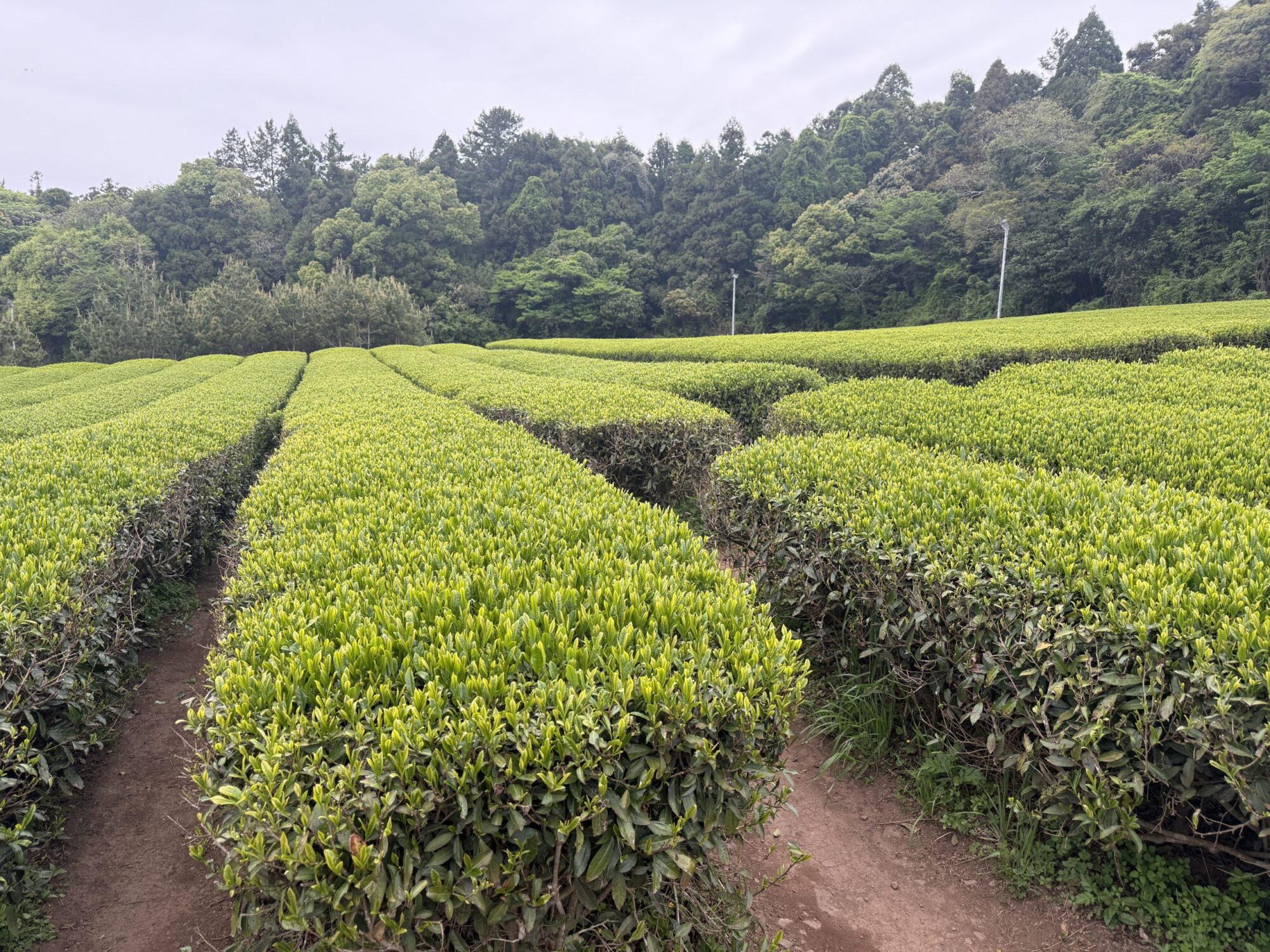
I’ve grown to love tea of all kinds. Korean green tea is special. On Jeju, I had the opportunity to wander the fields and try several varieties. In Seoul, my friend provided me with the chance to try several of the finest varieties. I look forward to learning more about it. ~CD
Korean Green Tea: A Gentle Tradition of Flavor, Health, and Heritage
Korean green tea, known locally as nokcha (녹차), offers a refined, approachable alternative in the world of green teas. While Japanese sencha and Chinese greens often dominate global attention, Korean varieties stand out for their smooth, balanced profiles—less astringent and vegetal, with subtle nutty, sweet, and mineral undertones.
A Brief History
Tea culture in Korea dates back over a millennium, with records of cultivation during the Three Kingdoms period (around the 7th century) and strong ties to Buddhism and Korean medicine. Tea symbolized mindfulness and health, often featured in royal courts and temple rituals.
Production declined over centuries due to invasions, colonization, and shifting preferences, but experienced a revival in the 1970s. Modern commercial growing took off then, particularly on Jeju Island and in southern mainland regions. Today, South Korea produces high-quality green teas using both traditional handcrafting and sustainable methods, emphasizing organic practices in many areas.
Key Growing Regions
Korea’s tea fields benefit from misty mountains, volcanic soils (especially on Jeju), and a temperate climate that yields complex yet gentle flavors.
- Boseong County (Jeollanam-do): Often called Korea’s “Green Tea Capital,” with vast terraced fields. Teas here tend to be earthy and grassy.
- Hadong (Gyeongsangnam-do): Prized for artisan, high-elevation teas with refined character, often considered premium.
Jeju Island: Korea’s Premier Tea Paradise
Jeju Island stands out as one of the most important and dynamic regions for Korean green tea production. Its unique volcanic landscape, subtropical climate, and pristine environment create ideal conditions for cultivating Camellia sinensis.
The island’s soil—primarily basaltic volcanic ash (known as songyi or scoria)—is highly porous, offering excellent drainage, moisture retention, and aeration. Rich in minerals like potassium, calcium, magnesium, and sulfur, it acts as a natural filter for pure water while imparting subtle mineral notes to the tea. Year-round mild temperatures (averaging around 15–16°C) and abundant rainfall, combined with ocean breezes and mountain mists from Hallasan (Jeju’s iconic volcano), produce leaves that are clean, vibrant, and balanced—often with a slightly sweeter, fresher profile compared to mainland teas.
The modern tea renaissance on Jeju is largely thanks to O’Sulloc (오설록), founded in 1979 by Suh Sung-whan of AmorePacific. He transformed rocky, barren wasteland near Hallasan into expansive organic tea fields (over 800 acres). After years of effort, the first harvests began, and O’Sulloc has since become Korea’s leading premium tea brand. It blends tradition with innovation, producing everything from classic Sejak and Ujeon to creative blends incorporating local tangerines or camellia flowers.
Visitors to Jeju can explore the rolling green tea plantations, the Osulloc Tea Museum (which showcases Korean tea culture with tastings and exhibits), and scenic viewpoints overlooking fields against the backdrop of snow-capped Hallasan in winter. The combination of volcanic terroir and sustainable farming makes Jeju teas particularly prized for their purity and depth.
Varieties and Grades
Korean green tea is primarily classified by harvest timing (flush), which affects leaf size, tenderness, and flavor intensity…
(The rest of the article continues as before: varieties, flavor profile, health benefits, brewing, cultural significance.)
Jeju’s contribution has helped elevate Korean green tea on the global stage, offering a taste of volcanic purity in every sip. Whether exploring premium Ujeon or everyday Sejak, Korean nokcha invites a calm ritual in a busy world.