
The Gilded Grove: A Summons of the Minor
Before you read this, please go read this so you understand just how mind blowing and world changing what you are about to read actually is.

Before you read this, please go read this so you understand just how mind blowing and world changing what you are about to read actually is.

There’s a conversation happening in creative communities right now that I find exhausting. It goes like this: AI is going to replace writers. AI is cheating. AI output is soulless. Real artists don’t use AI. If you use AI you’re not really creating.

I’ve been acting like I have a salary. I don’t. I have books. I have ideas. I have a body of work that exists to reach people who need it. And every platform I abandon in the name of ethics is a limb I’ve cut off to prove I’m fighting fair.
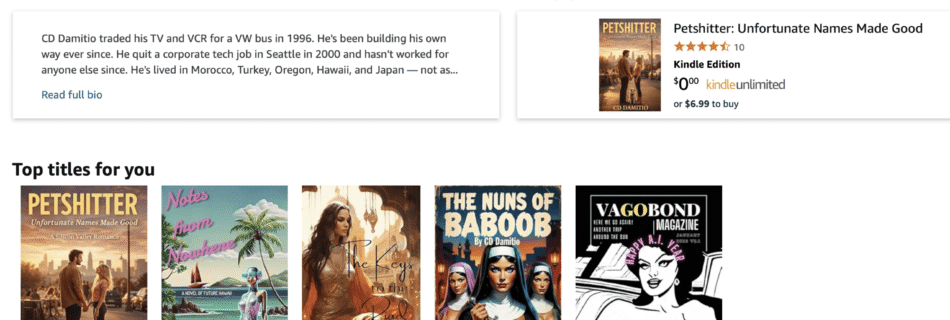
I spent years telling anyone who would listen that Amazon was the problem. Not a problem — the problem. The monopolist eating indie publishing alive, the algorithm overlord that made serfs of writers, the company that could delist your life’s work on a Tuesday afternoon with no explanation and no appeal. I believed all of that. I still believe most of it.
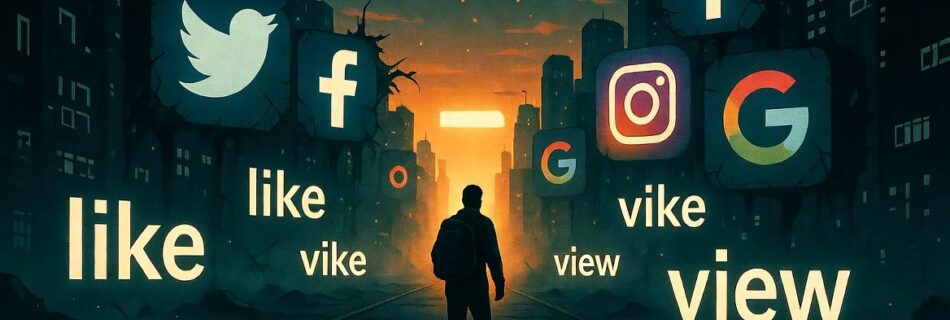
If you’re a GenX or older millennial creator who built something real in the early internet days, poured years into honest work, and then watched the numbers slowly die while newer, more optimized accounts took off — you’re not alone and you’re not crazy.
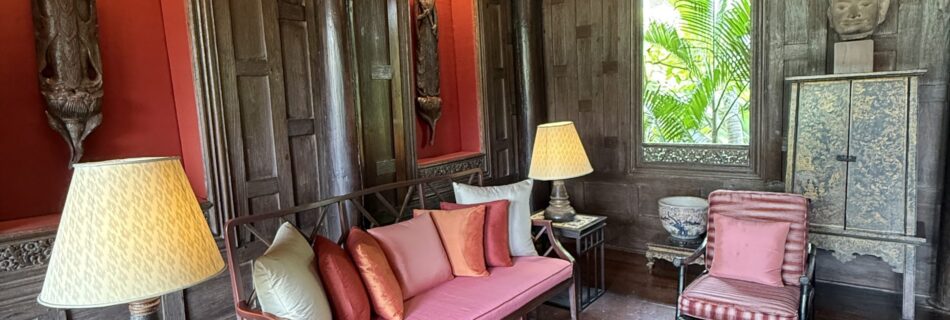
James Harrison Wilson Thompson — architect, World War II spy, and the man who single-handedly revived Thailand’s silk industry — left behind a thriving business, a legendary house filled with priceless art, and a trail of conspiracy theories that still refuse to die nearly six decades later.