
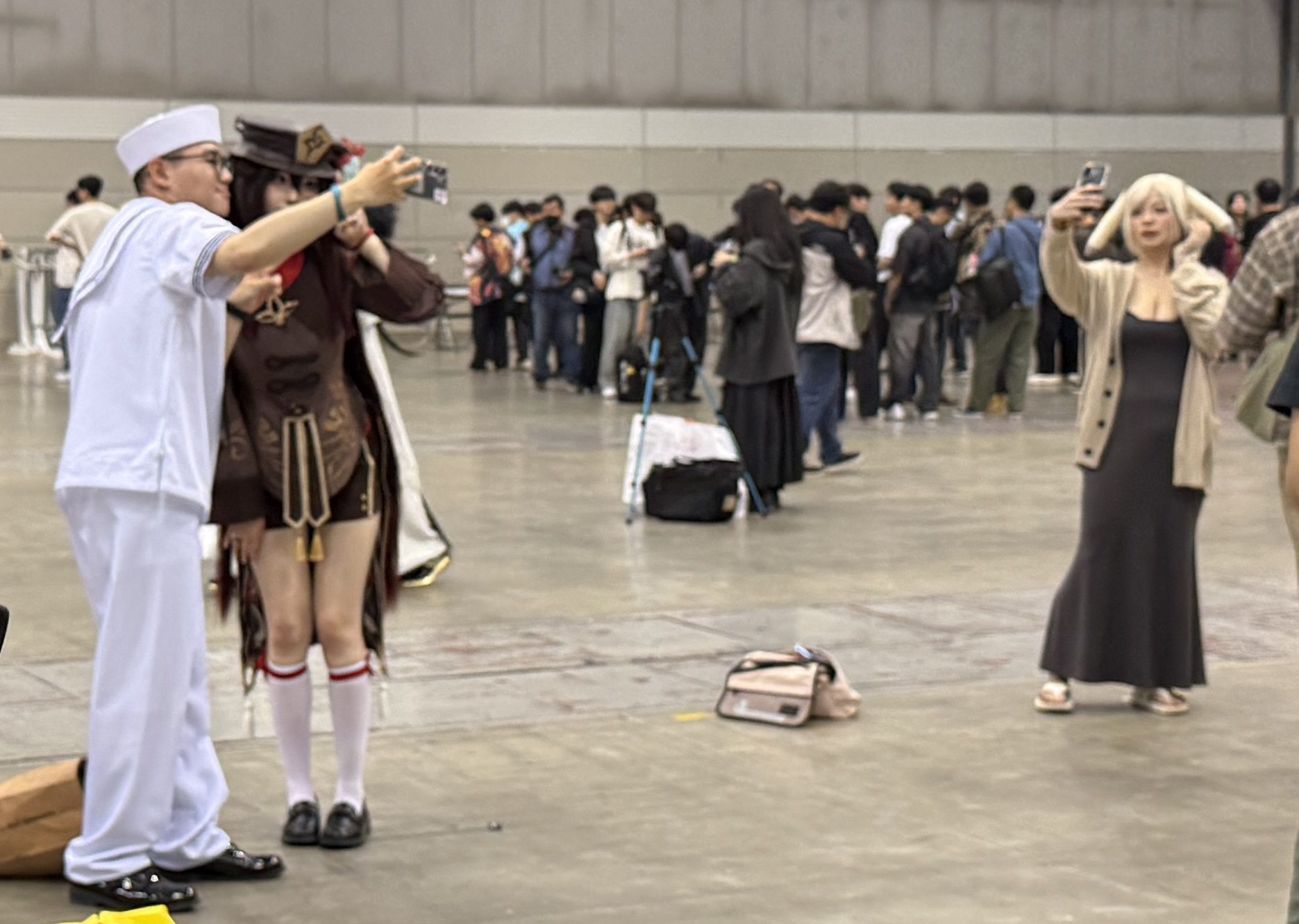
Note: A South Korean friend told me about the deep hatred between men and women here. I didn’t really believe it and she told me to do some research and look it up. I did and this is most of what I’ve found, compiled into an article by AI. I also attended a very fun cosplay event yesterday in Goyang City, I was just walking by and joined. The difference between this kind of event here and this kind of event in Japan or the USA struck me (I’ve been to all three – so maybe I am part Otaku too). I had AI compile this article from some of my observations. The article is written by AI so may sound authoritative but be factually inaccurate. The photos are from me. ~CD
South Korea projects an image of hyper-modern success—K-pop, tech giants, packed cities. But underneath runs a sharp divide between young men and women. Plenty of locals, especially online, call it outright hatred. This isn’t just talk. It shows up in voting patterns, birth rates scraping the bottom globally, and everyday resentment that spills into violence and subcultures.
How It Got This Bad
Traditional roles clashed hard with fast changes. Women surged ahead in education and jobs but still handle most housework and face pay gaps plus career penalties for kids. Many young men resent mandatory military service, brutal job competition, and what they see as women gaining advantages while they get stuck with the old burdens.
The 4B movement captures one side: women choosing no dating, no marriage, no sex with men, no kids. It grew from frustration over misogyny, safety fears, and unequal loads at home. Critics slam it as extreme or man-hating, but supporters frame it as opting out of a raw deal. On the flip side, anti-feminist groups among young men push back hard, calling feminism discrimination against them and using terms like “kimchi woman” for entitled behavior.
Polls back the split. South Korea often ranks at the top for reported tension between the sexes. Young men tilt conservative, young women lean the other way—gaps of 15-30 points in elections.
Violence That Fuels the Fire
Words turned deadly more than once. In 2016, a man stabbed a woman to death in a restroom near Gangnam Station. He picked her because he felt women had ignored him his whole life. The case exploded into protests with sticky notes everywhere: “She was killed just for being a woman.” It became a flashpoint for misogyny debates.
Broader patterns exist. Surveys show about 1 in 5 women have faced some form of intimate partner violence—physical, sexual, emotional, or controlling. Women make up the large majority of victims in partner-related killings and serious abuse. Digital crimes like hidden cameras add to the fear. Men counter that society ignores their suicide rates and pressures. Both sides trade accusations of hatred, amplified by social media echo chambers.
Cons Like Illustar Fes as a Snapshot
Events such as Illustar Fes lay the dysfunction bare. This big illustration, doujinshi, anime, and cosplay festival draws thousands—sometimes tens of thousands—to places like KINTEX. It’s peak otaku territory.
The crowd skews heavily male, especially the dedicated fans. Many fit the classic otaku profile: guys diving deep into games, manga, and fantasy as relief from real-world stress, dating struggles, or economic grind.
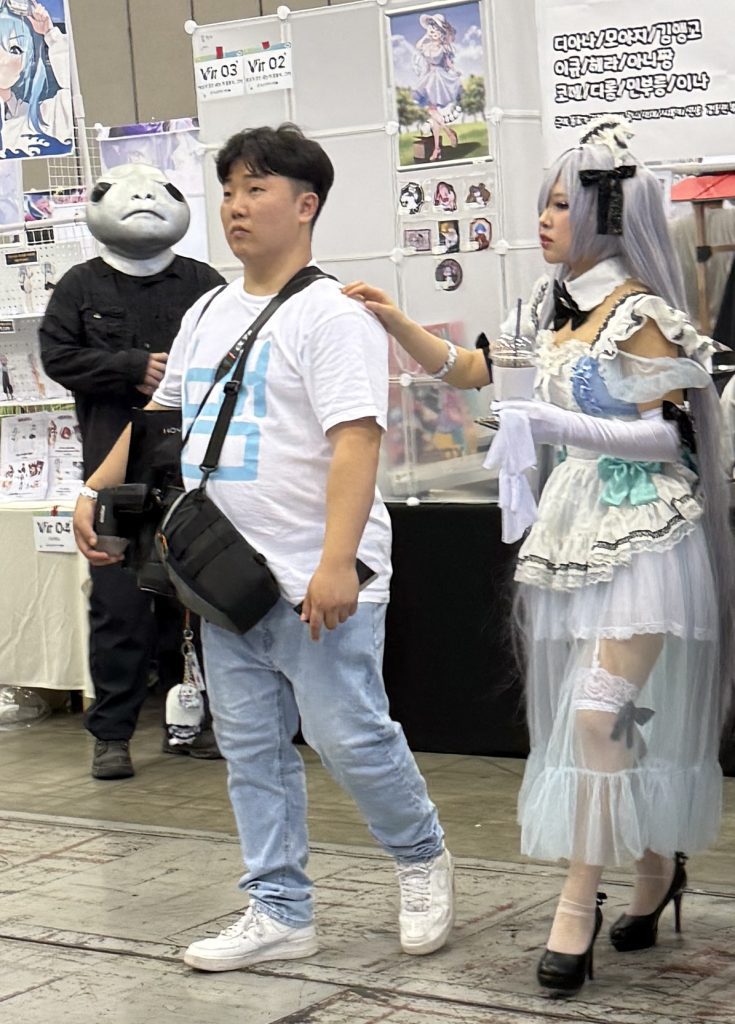
On the other side, female cosplayers, models, and guests often get treated like performers at a club—posed, photographed, sexualized for the male attendees. Booths push fan service hard. The art and merch lean into exaggerated female characters: huge eyes, impossible proportions (tiny waists, massive chests), and personalities dialed to cute, submissive, or helpless. It’s fantasy women—perfectly packaged, nothing like the complicated reality outside.

These cons don’t create the problems, but they reflect them. Men escape into 2D ideals while real women at the event navigate objectification. The gap between fantasy and daily friction just widens things.
What It Means Long Term
South Korea’s fertility rate sits among the world’s lowest—well under one child per woman. Economic stress plays a huge role, but the gender standoff adds fuel: women pulling back from traditional paths, men nursing grievances.
Fixing it won’t be simple. It needs real talk about women’s safety and unequal loads alongside men’s economic and social struggles. Right now, the “hatred” framing makes compromise tough. Events like Illustar Fes show the escape routes people take instead—fantasy over facing the mess. Without bridging the gap, the divide keeps growing, hitting relationships, families, and the country’s future head-on.
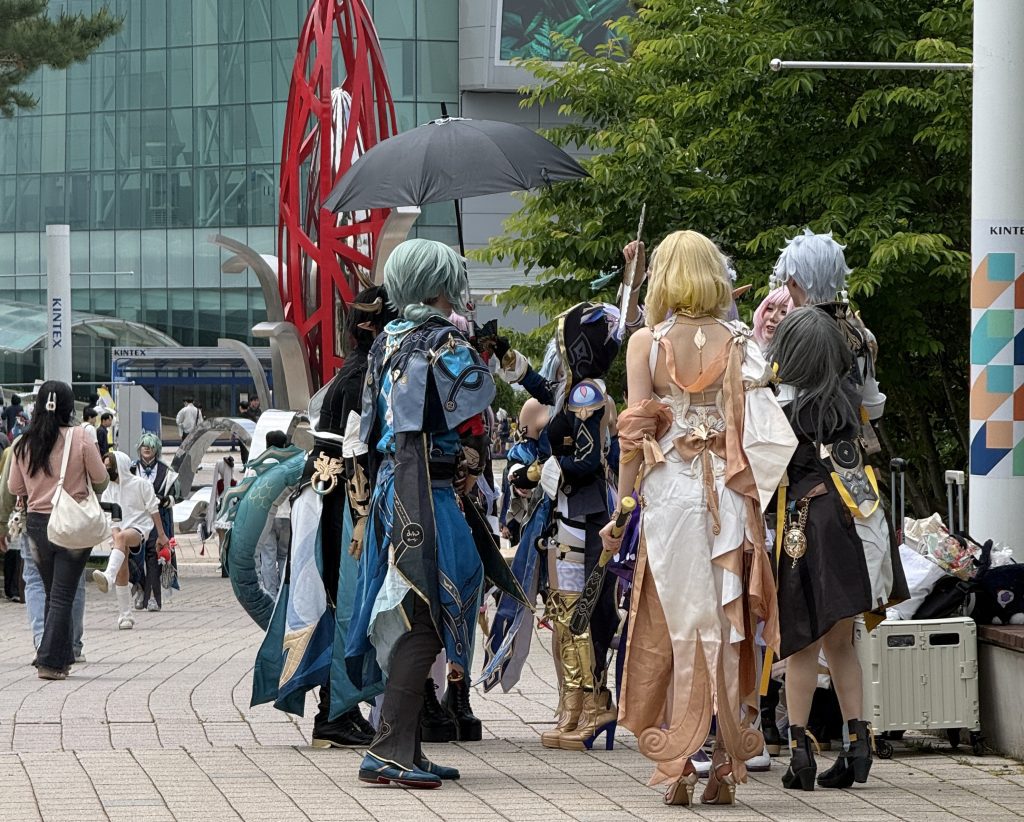
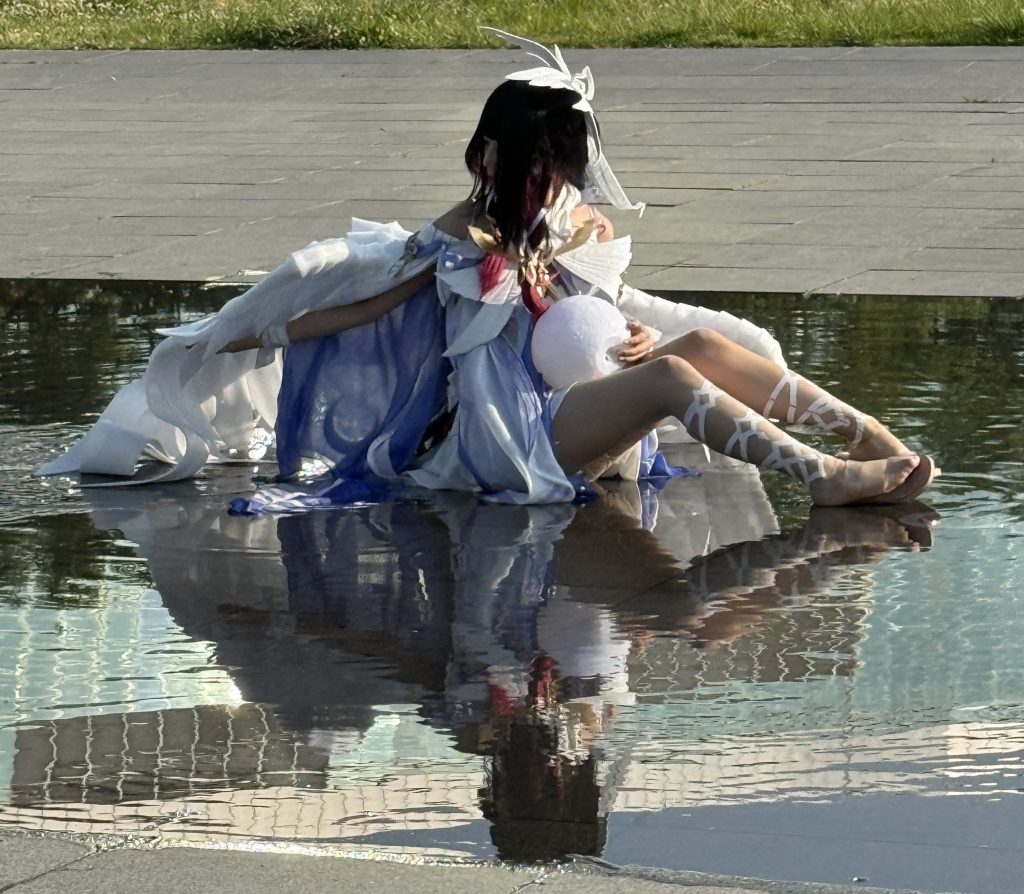
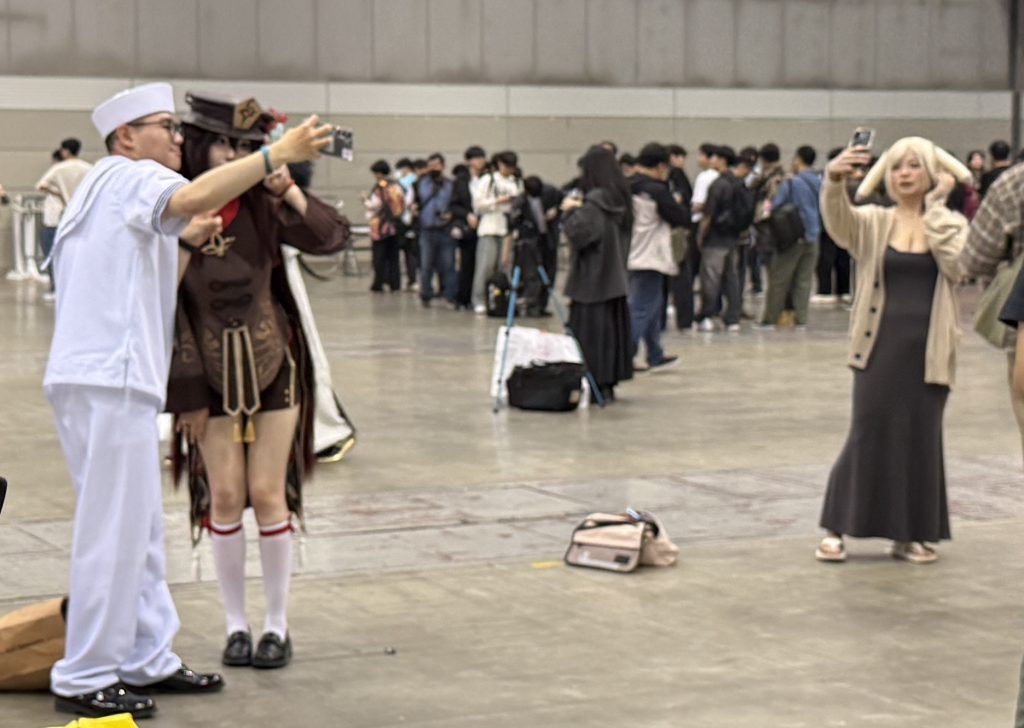
Another note from CD: Illustar Fes was an interesting event, but the real divide was what was happening inside versus what was happening outside in the greater convention center. Inside was the side of things this article points out. Otaku with huge cameras taking pictures of women who were clearly there to be objectified. Outside were cosplayers – men and women joined in having a good time together while wearing costumes from their favorite anime or manga. There were cross-dressing men, cross dressing women, groups of fans who coordinated outfits, furries, mecha warriors. It was more about people of a similar mind enjoying spending time together, men and women. It was fun, it was healthy, and there didn’t appear to be any of the tension that was present inside.