
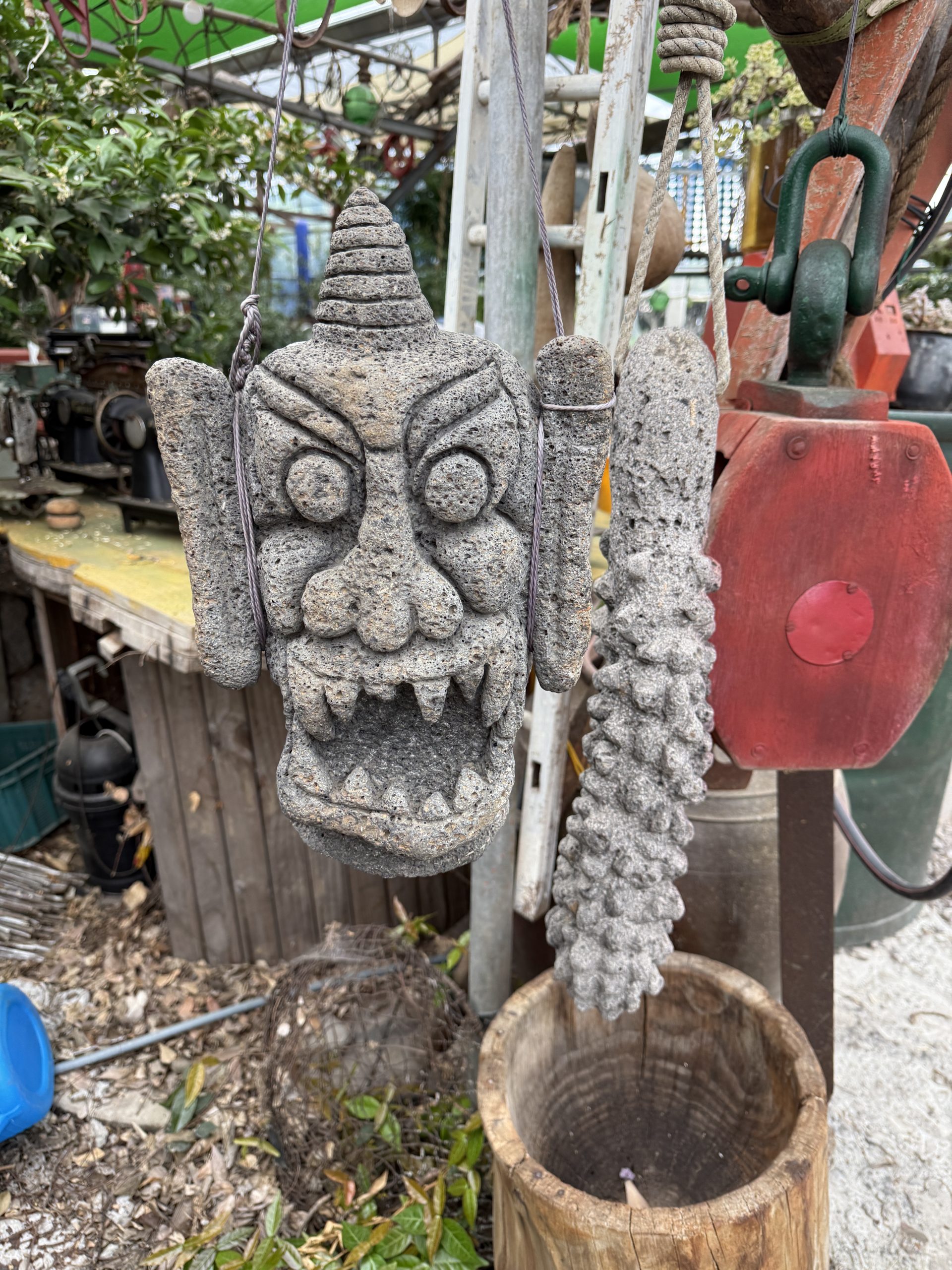
Tucked beside the scenic Soesokkak estuary and Hyodoncheon Stream in Seogwipo, Jeju Island, Sanmool Tourist Farm blends working citrus groves, a nostalgic café, and one of Jeju’s most eccentric private museums. Far from polished tourist traps, this family-run spot feels like a personal time capsule—where retro relics, traditional farm tools, and heavy-metal blacksmithing history mingle among ripening Hallabong oranges.
The farm’s name “Sanmool” (산물) carries layered meaning: it refers to a prized native Jeju tangerine historically offered to kings, while also evoking “mountain and water” to honor the island’s natural harmony. Dr. Moon Chang-min, a practitioner of Korean traditional medicine, personally cultivates the Hallabong here, infusing the experience with both agricultural passion and cultural preservation.
A Quirky Museum Inside a Greenhouse
The star attraction sits inside Jeju’s only Hallabong greenhouse: a retro museum (often called the Mooru/Moru Museum) packed with oddities and everyday history. It’s not a sterile exhibition hall but a lively “treasure warehouse” where vintage items share space with living citrus trees.
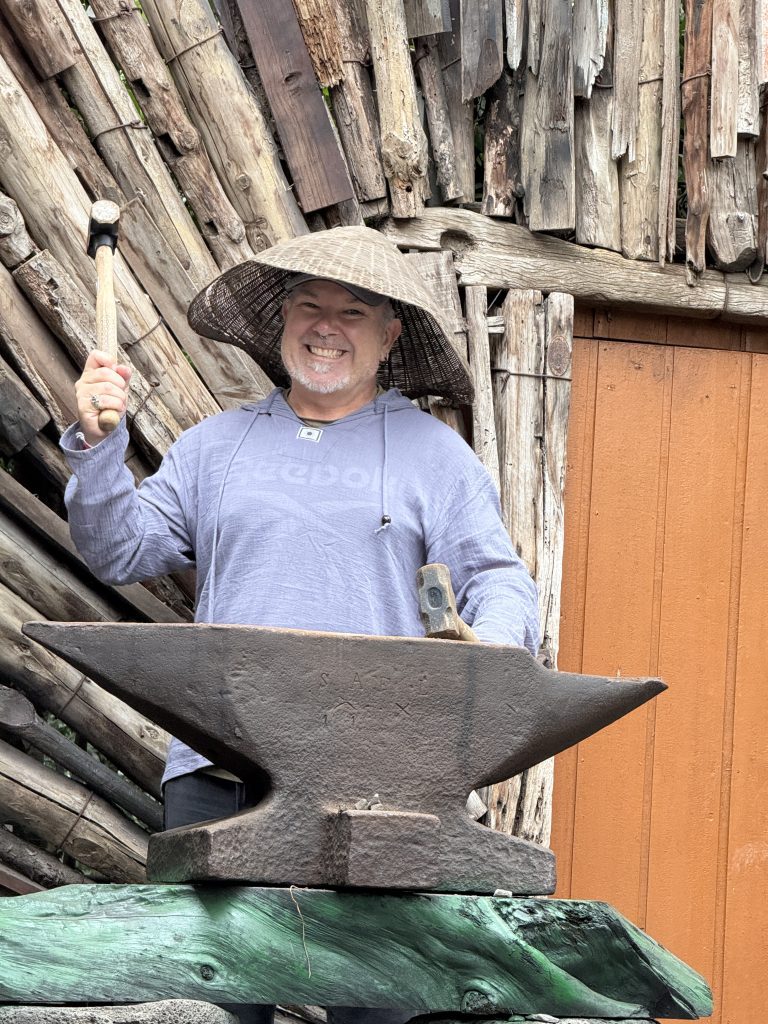
The World’s Anvils (Mooru Collection) stand out as the oddest highlight. Visitors encounter traditional Korean Joseon-era anvils alongside international counterparts, including a massive ~500kg German anvil from the 1800s. Workshops occasionally compare blacksmithing techniques across eras—Joseon craftsmanship versus Industrial Revolution methods—turning heavy iron into an unexpected educational draw in a fragrant orange house.
Vintage Farm Tools and Jeju Artifacts fill other sections: old plows, water yokes (muljige), pumps, and weathered wooden pieces that once shaped daily island life. Many items bear the patina of real use, evoking the hard-earned rhythms of old Jeju farms. Upcycled art pieces made from these relics reinforce themes of sustainability and respect for the past.
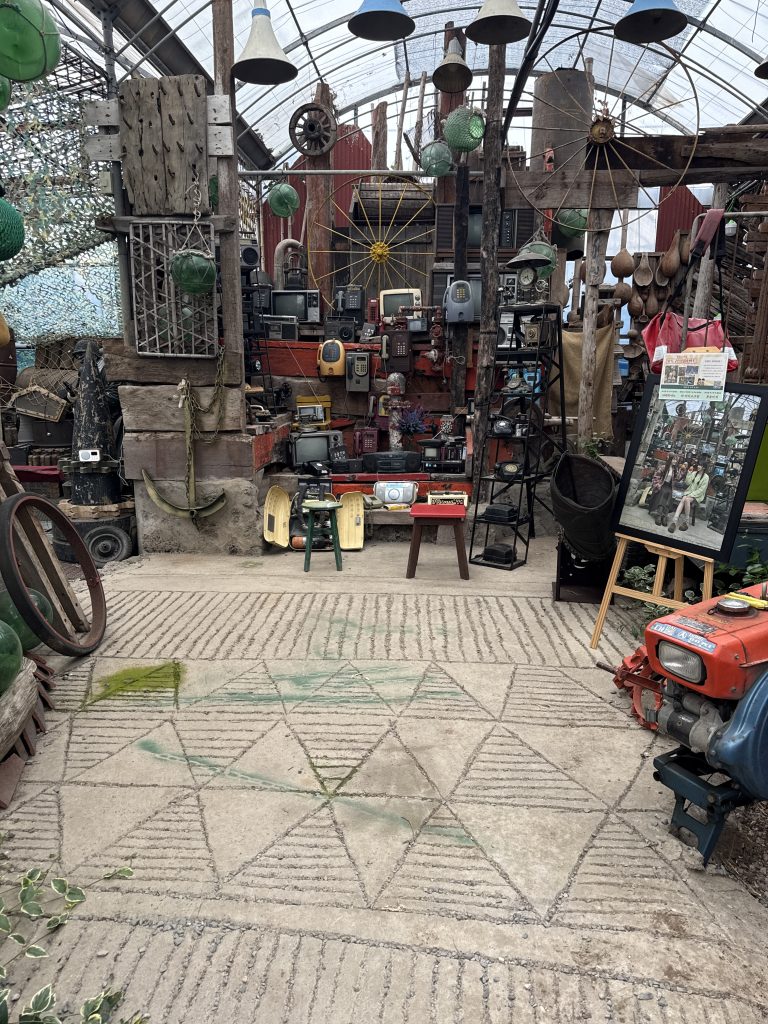
Aged Wood (“Goj ae”) Exhibits and Retro Photo Zones add further charm. Preserved timbers from century-old Jeju homes (including massive roof beams) and nostalgic household goods create atmospheric displays and perfect Instagram spots. The entire space feels like stepping into a living folklore painting.
Café, Experiences, and Atmosphere
Adjacent to the museum, the vintage-style café serves as both entry point and relaxation hub. Expect affordable drinks like cinnamon or tangerine-peel teas, mushroom blends, and simple snacks—many tied to traditional medicine influences. Museum entry is often free with a drink purchase (around 3,000 KRW otherwise).
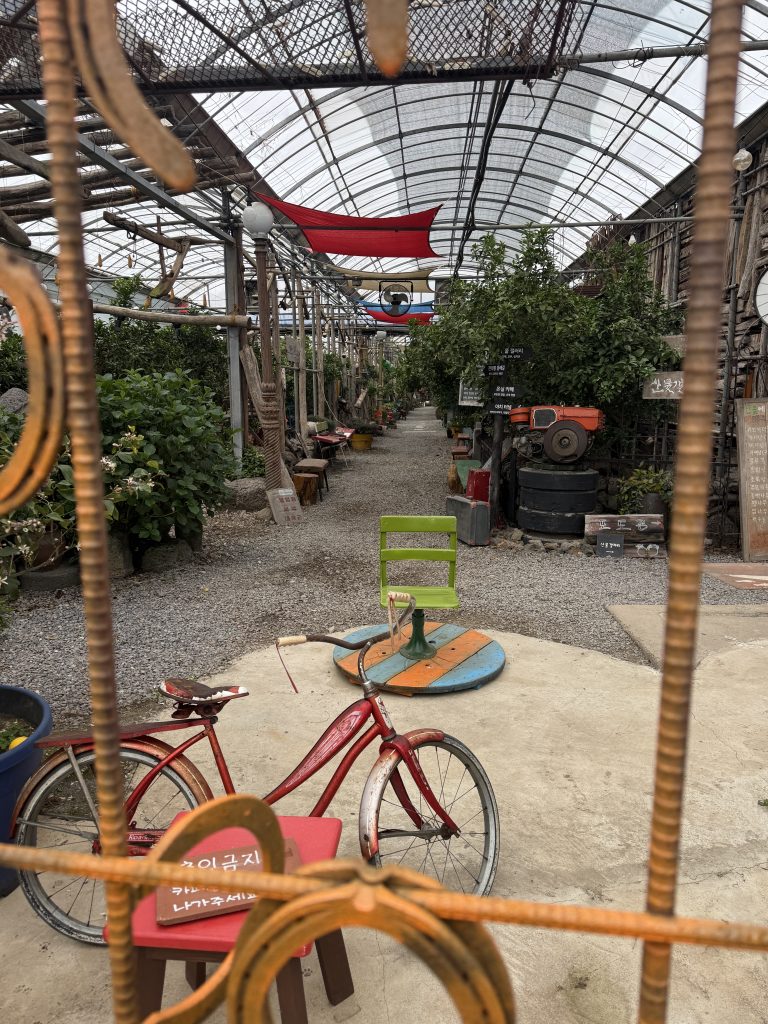
Seasonal citrus-picking experiences (Hyodon tangerines in autumn, Hallabong and Cheonhyehyang later) let visitors harvest their own fruit amid the groves. Outdoor areas feature arch tunnels, farm tool art walls, and peaceful paths perfect for families or quiet reflection.
Jeju tangerine groves like those at Sanmool offer a vibrant, hands-on contrast to the indoor museum treasures.
Why Visit?
Sanmool Tourist Farm appeals across generations: kids explore touchable tools, parents relive childhood nostalgia, and curious travelers discover Jeju’s rural heritage with an eccentric twist. It’s a low-key, weather-friendly spot (much is indoors) that rewards slow wandering rather than rushed sightseeing.
Open daily around 10:00–18:00 (check for seasonal variations), it sits conveniently near Soesokkak—easy to combine with a riverside walk. Reservations are recommended for groups or workshops.0
In a tourism landscape dominated by dramatic coastlines and volcanic peaks, Sanmool offers something rarer: an intimate, heartfelt bridge between Jeju’s past, present, and future—hidden among the sweet scent of citrus. If you appreciate quirky collections, living history, or simply a peaceful farm interlude, this “treasure warehouse” delivers unexpected delight.