
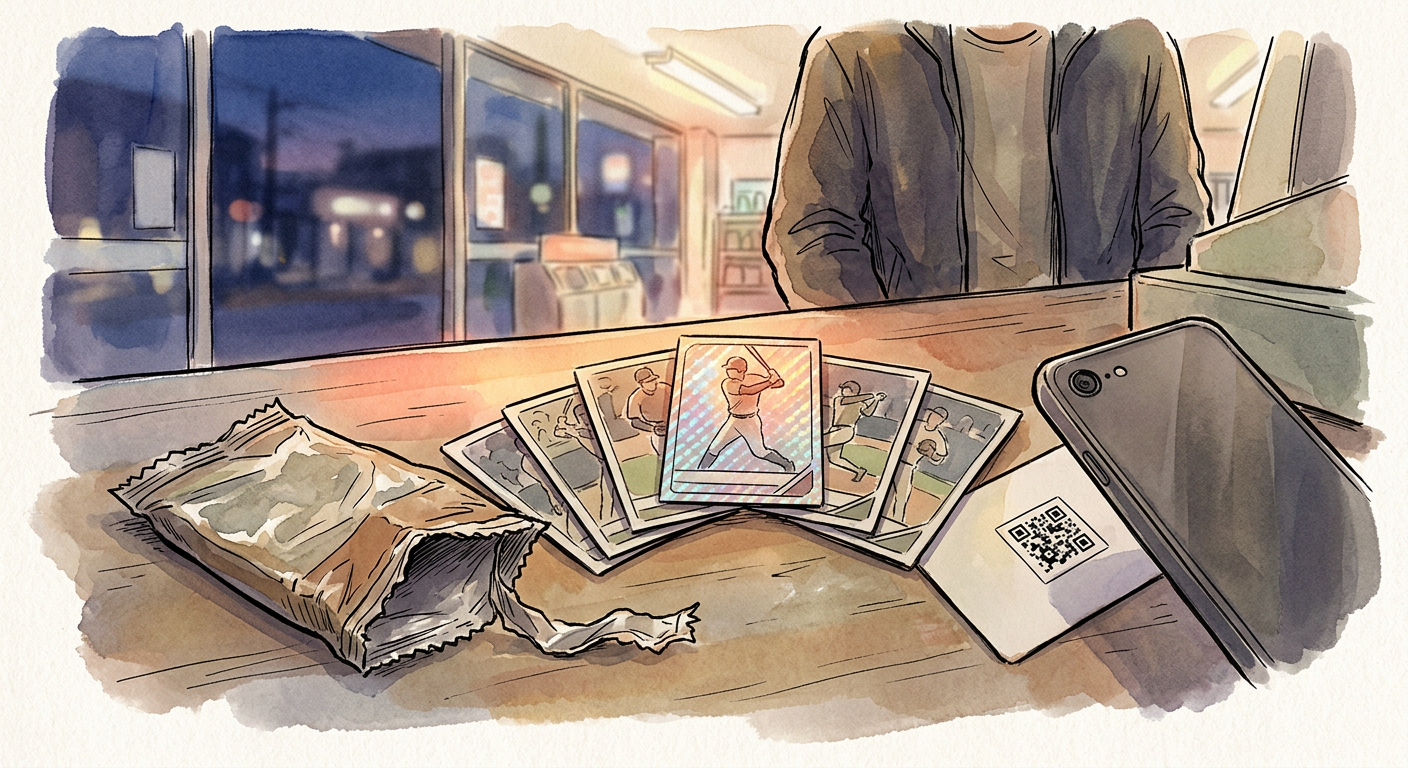
I used to collect baseball cards in the 1990s in the USA and on a whim bought a Japanese pack in a konbini for 500 yen…
What I found inside was not the cardboard nostalgia I expected. It was something far more interesting.
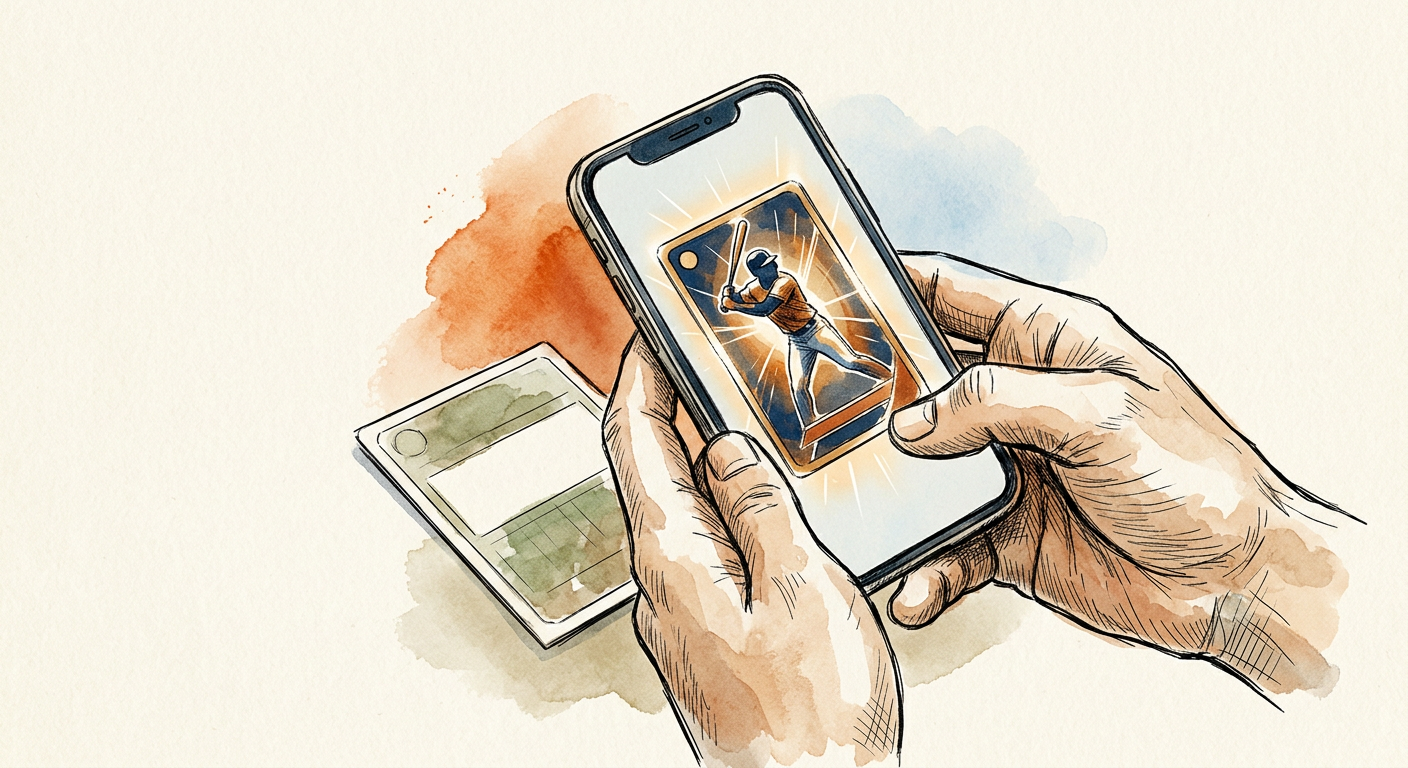
The pack was from Bandai’s Pro Baseball Fan Stars League (プロ野球 ファンスターズリーグ), specifically the Central League 2026 Vol. 1 booster. Seven cards. One of them turned out to be an SSR of Giants second baseman Naoki Yoshikawa. The rest were a mix of Rares and commons. On the surface it looked like a typical modern Japanese sports card product—sharp photography, holographic foil, clean design. Then I flipped them over.
Every single card had a unique QR code.
That QR code is the key to one of the most clever integrations of physical collecting and digital play I’ve seen in years.
How the system actually works
You download the free official app. Inside the menu is a simple “Card Import” function. Point your phone at the QR code on the back of any physical card and that exact card is added to your digital collection. The code can only be used once. After that, the physical card still exists as a collectible, but its digital twin is locked to the account that scanned it.
Once the cards are in the app, two distinct modes open up.
Fan Stars League mode is the main experience. Before a real NPB game, you choose which team you’re supporting that day and build a deck from the cards you’ve scanned (or pulled from digital packs). As the actual game unfolds—home runs, strikeouts, steals, double plays—your cards’ skills trigger and award Fan Points. You can even swap players in and out mid-game based on how the real match is developing. At the end of the night you’re ranked against everyone else who supported the same team. Rankings pay out rewards.
It is, in essence, a living fantasy system powered by the cards you physically own.
The second mode, VS1, is a pure card-versus-card battle system. You build a 35-card dream team (30 position players + 5 pitchers) and play a simplified but strategic pitch-selection duel against other players. The same physical cards work here too.
Why this feels different from what we have in the U.S.
American collectors have excellent digital products. Topps BUNT is fun, the various scanner apps are useful for pricing and cataloging, and Fanatics has built a solid marketplace ecosystem. But none of them close the loop the way this Japanese system does.
In the U.S., physical cards and digital cards mostly live in separate worlds. You open a Topps box, you get cardboard. You open the BUNT app, you get digital packs. The two rarely talk to each other in any meaningful way.
Here, the physical pack is the on-ramp. The QR code is the bridge. The live NPB schedule is the engine. The result is a product that rewards both the collector who cares about the physical object and the player who wants ongoing engagement with the season.
There is also a quiet elegance to the economics. Because each QR code is single-use, an unused high-rarity card carries extra value on the secondary market. At the same time, once you’ve scanned it, the digital version remains useful for ranking and battles. The physical and digital versions both retain purpose.
A small observation from someone who grew up with 1990s wax
In the junk-wax era we collected for the cardboard itself and the hope of a valuable insert. Later waves of the hobby became more about grading, parallels, and speculation. What Bandai has built feels like a third path: the physical card is still desirable, but its primary job is to unlock ongoing participation in the actual baseball season.
I paid 500 yen for the pack. The Yoshikawa SSR alone would have been a pleasant surprise. The fact that it also became a working piece of a live, season-long game made the whole experience feel unexpectedly modern.
For a hobby that sometimes struggles to connect new generations to the day-to-day rhythm of the sport, this approach is worth paying attention to. Physical cards that actually do something when the real games start is a simple idea executed with surprising clarity.
I still have the empty pack. The QR codes are already in my account. And tonight, when the Central League games begin, those cards will be scoring points.