
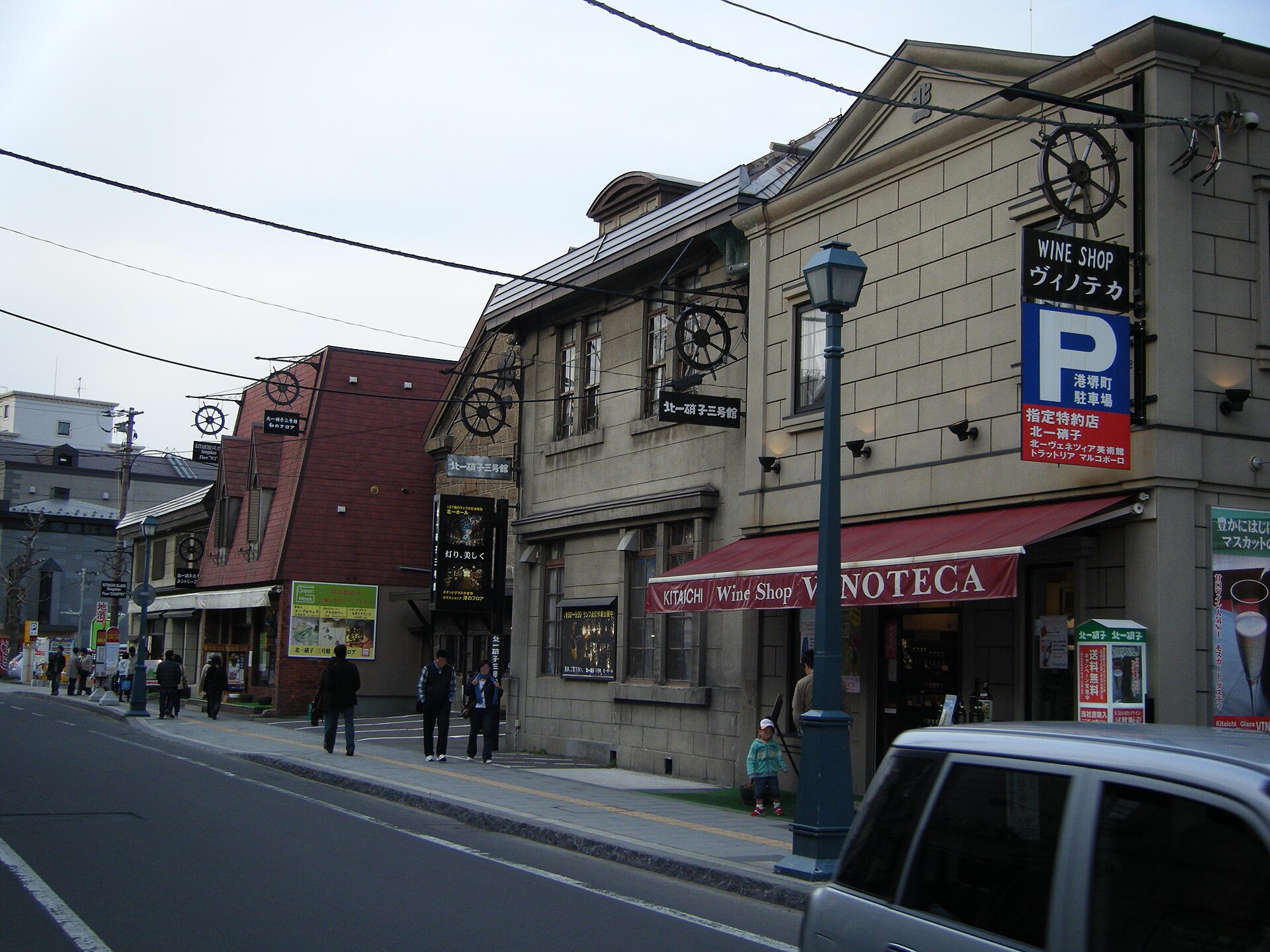
Otaru’s reputation as a “glass city” rests on more than a century of practical necessity, industrial skill, and later artistic reinvention. What began as the production of everyday items for a frontier port has evolved into one of Hokkaido’s most distinctive craft traditions.
Origins: Lamps and Fishing Floats
Glassmaking took root in Otaru in the late Meiji period. Around 1891 the first factories appeared, producing petroleum-lamp chimneys and covers at a time when electricity had not yet reached much of Hokkaido. Household lighting depended on oil lamps, creating steady demand for clear, durable glass.
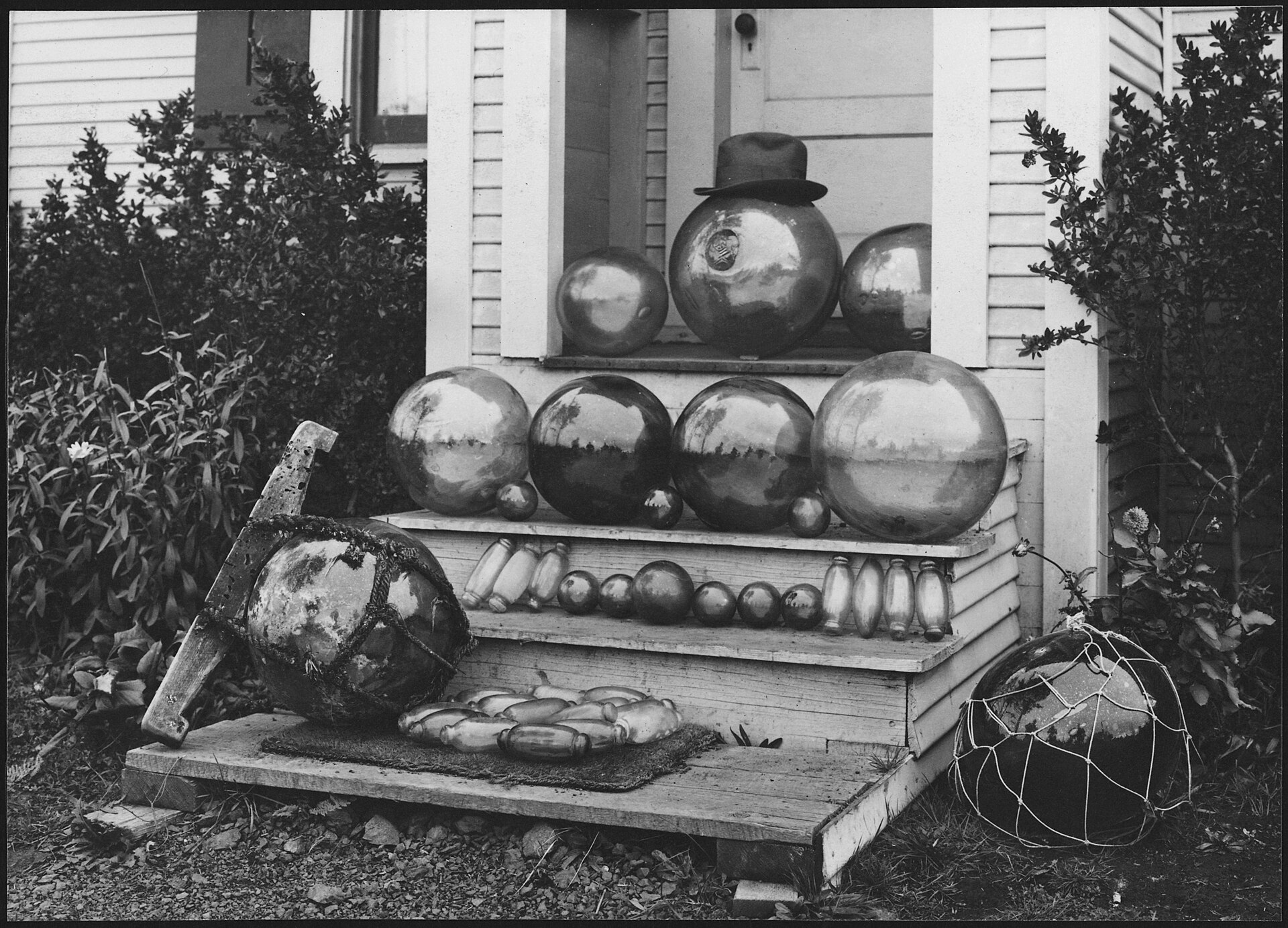
Even more decisive was the herring fishery. From the late 19th century into the early Showa era, glass fishing floats (浮き玉) were essential markers for nets. In 1903 Asahara Hisakichi opened a workshop in Tomioka that specialised first in lamps and medicine bottles, then pioneered the production of these floats. The technique spread across Hokkaido; Asahara factories operated in Otaru, Muroran, Kushiro, Asahikawa and even Sakhalin. At its peak the industry produced more than a thousand tonnes of floats annually. Today Asahara Glass Manufacturing remains the only workshop in Japan still making traditional glass floats, using recycled cullet melted at around 1,300 °C.

From Utility to Craft
By the mid-20th century demand for both lamps and floats declined with electrification and the rise of plastic. Rather than disappear, Otaru’s glassmakers shifted toward decorative and tableware production. Kitaichi Glass, founded in 1901, became a leading retailer and manufacturer, turning warehouses into showrooms and helping define the city’s tourist image. Other long-established firms, such as Fukagawa Glass Crafts (originally from Tokyo, relocated to Otaru), continued refining techniques for high-quality handmade glass.
A decisive artistic turn came in 1979 when Chiyoji Asahara, a fourth-generation glassworker from Osaka, founded The Glass Studio in Otaru. Attracted by the city’s climate, canal heritage and open space, he established the first independent artist’s studio in Otaru. The studio emphasised free expression, open workshops, and visitor experiences—practices that helped transform “Otaru glass” from industrial product into contemporary craft. Many of the city’s current glass artists trained in or were inspired by this model.
The Landscape Today
Sakaimachi Street and the surrounding warehouse district form the heart of the glass scene. Dozens of shops display everything from delicate tableware and beads (とんぼ玉) to large sculptural pieces. Visitors can watch glassblowers at work and, in many studios, try the craft themselves: blowing a vessel, shaping beads in a flame, or decorating panels.
Key places include:
- Kitaichi Glass – multiple buildings with extensive collections, cafés, and experience workshops.
- Taisho Glass – a network of shops focused on Taisho-era aesthetics and hands-on programmes.
- The Glass Studio in Otaru – forested setting at the foot of Mount Tengu, known for its artistic output and open-studio atmosphere.
- Asahara Glass Manufacturing – the living link to the float-making tradition.
Otaru Art Village also houses significant Western stained-glass and Art Nouveau/Art Deco collections that resonate with the city’s glass identity.
Continuity and Adaptation
The industry has survived by adapting. Recycled glass is widely used. Techniques once applied to utilitarian floats now inform artistic forms. Workshops remain open to the public, keeping the skill visible and the tradition economically viable. The result is a living heritage: still rooted in the practical needs of a northern port, yet continually renewed by individual makers and the steady interest of visitors who leave carrying a piece of Otaru light in their hands.
Top photo: Kitaichi Glass warehouses on Sakaimachi Street, Otaru. User:欅, CC BY-SA 3.0, via Wikimedia Commons.
