
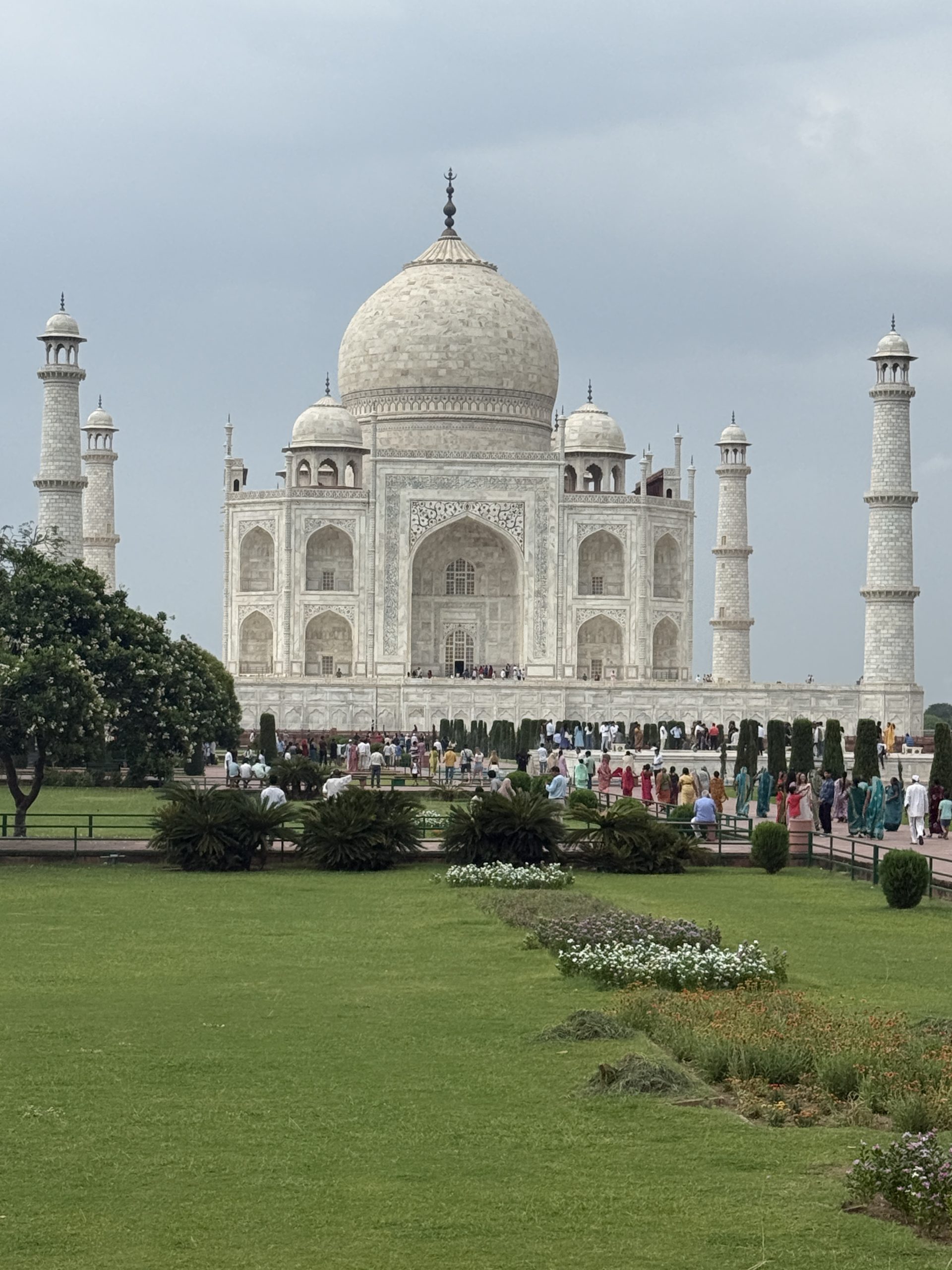
The Romance of the Gift Shop
How do you know when a tour guide is lying? Their lips are moving.
Obviously that is an exaggeration, but just like the concocted Taj Mahal stories below (and all the best tall tales) there is an element of truth to it. Tour guides in Agra are master storytellers. They do not just show you marble and sandstone; they spin grand, dramatic webs of romance, betrayal, and dark secrets. While these narratives make a hot afternoon of sightseeing incredibly entertaining, they often serve a very specific, worldly purpose: setting the stage for a high-pressure sales pitch at a local souvenir cooperative.
If you have ever taken a tour of the Taj Mahal or the nearby Agra Fort, you have almost certainly been told at least one of these legendary—yet entirely fabricated—tales.
The Myth of the Captive Friday Artisans
Walk into any marble workshop in Agra, and the salesperson will reverently explain that their family possesses a mystical, exclusive connection to the monument. The proof? They will tell you that the Taj Mahal is closed to the public every Friday specifically so that the direct descendants of the original artisans can enter alone to maintain the stone and commune with their ancestors.
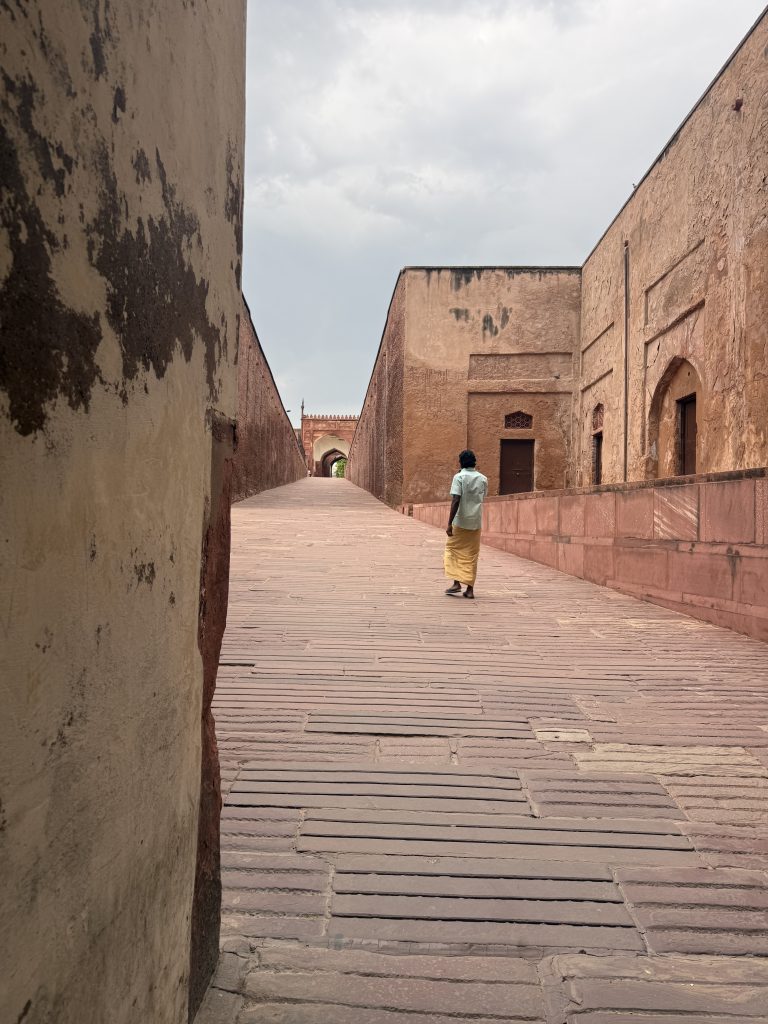
The Reality: The Taj Mahal is indeed closed on Fridays, but it has absolutely nothing to do with exclusive artisan privileges. The complex contains an active, working mosque on its western flank. By order of the Supreme Court of India, the doors are closed to tourists on Fridays to allow local Agra Muslims to attend afternoon prayers (Jumma Namaz) in peace. Because many local stone craftsmen happen to live in the adjacent Taj Ganj neighborhood and are practicing Muslims, they do enter on Fridays—but as local worshippers, not under a special royal craftsman pass.
The Magical “Secret Glue”
To justify the premium prices of marble inlay coasters and tabletops, guides love to tell the story of a highly guarded, secret organic glue. They claim the original builders invented a magical paste that permanently fused semi-precious gems into marble, a secret recipe passed down through generations that modern chemistry still cannot replicate.
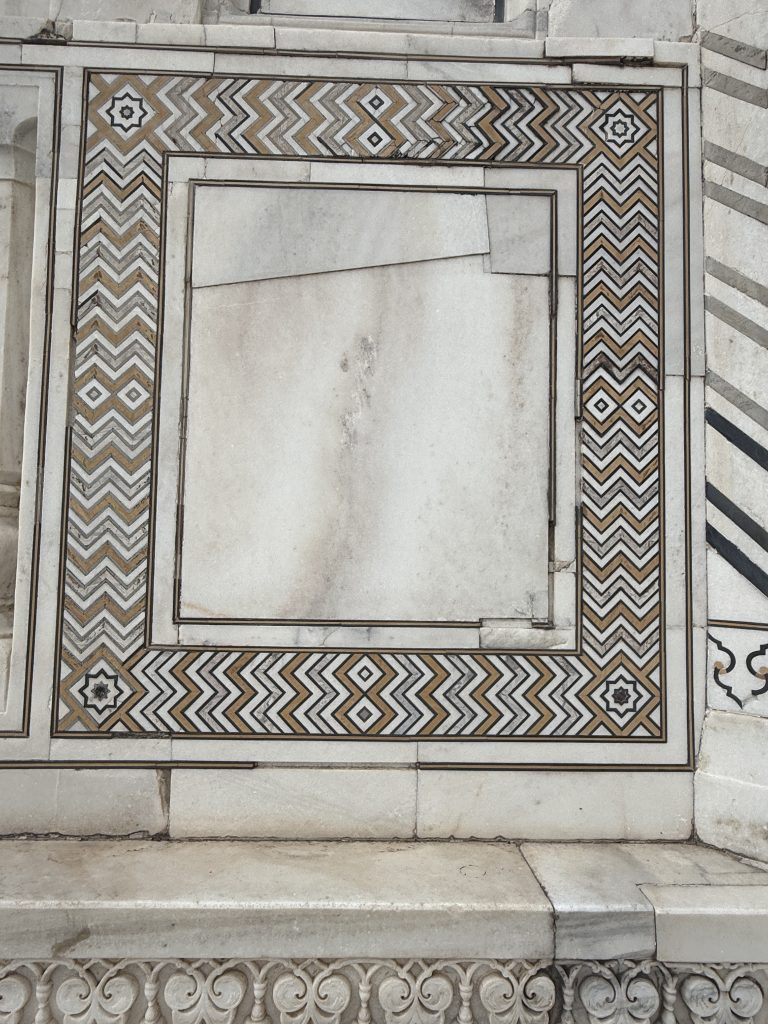
The Reality: There is a heavy dose of historical truth here, mixed with a modern marketing twist. In the 17th century, Mughal builders really did create an incredible organic bonding paste using a cooked concoction of sugarcane juice, honey, beeswax, lemon juice, mashed lentils, and marble dust. It was an engineering marvel that has withstood centuries of monsoons. However, the souvenir plate you are looking at in the shop today was almost certainly held together by a modern, high-tech chemical equivalent like Araldite epoxy, mixed with zinc oxide and paint to mimic the ancient look. It is still beautiful handmade work, but the “secret recipe” has long been replaced by modern chemistry.
       [ THE INLAY WORK REALITY CHECK ]
┌──────────────────────────────┬──────────────────────────────┐
│       THE TOUR GUIDE STORY   │       THE HISTORICAL TRUTH   │
├──────────────────────────────┼──────────────────────────────┤
│ Artisans had hands cut off.  │ Shah Jahan built them a town.│
│ Secret 17th-century glue.    │ Modern shops use epoxy.      │
│ Only artisans inside Fridays.│ Closed for local prayers.    │
└──────────────────────────────┴──────────────────────────────┘
The Black Taj Mahal
Perhaps the most famous romantic tragedy told on the banks of the Yamuna River is that Emperor Shah Jahan planned to build a mirror-image “Black Taj Mahal” made of black marble directly across the river as his own final resting place. Guides will dramatically point across the water to the dark, ruined stones of Mehtab Bagh as concrete proof of this unfinished dream, aborted only when his power-hungry son overthrew him.
The Reality: It is a beautiful piece of historical fiction. When archeologists thoroughly excavated Mehtab Bagh (The Moonlight Garden), they discovered that the “black stones” were actually ordinary white marble that had discolored, corroded, and turned pitch black over centuries of exposure to pollution and the elements. The site was never a foundation for a second tomb; it was simply a beautifully designed Mughal pleasure garden built specifically to view the main Taj Mahal across the river.
The Tear-Catcher Mirror of Agra Fort
When visiting the Mussaman Burj pavilion inside the Agra Fort, guides will paint a heartbreaking picture of Shah Jahan’s final eight years of imprisonment. They will point to a microscopic piece of mirror glass embedded in a wall pillar and claim the deposed, frail emperor was forced to look only at this tiny reflection to see his beloved wife’s tomb while he wept.
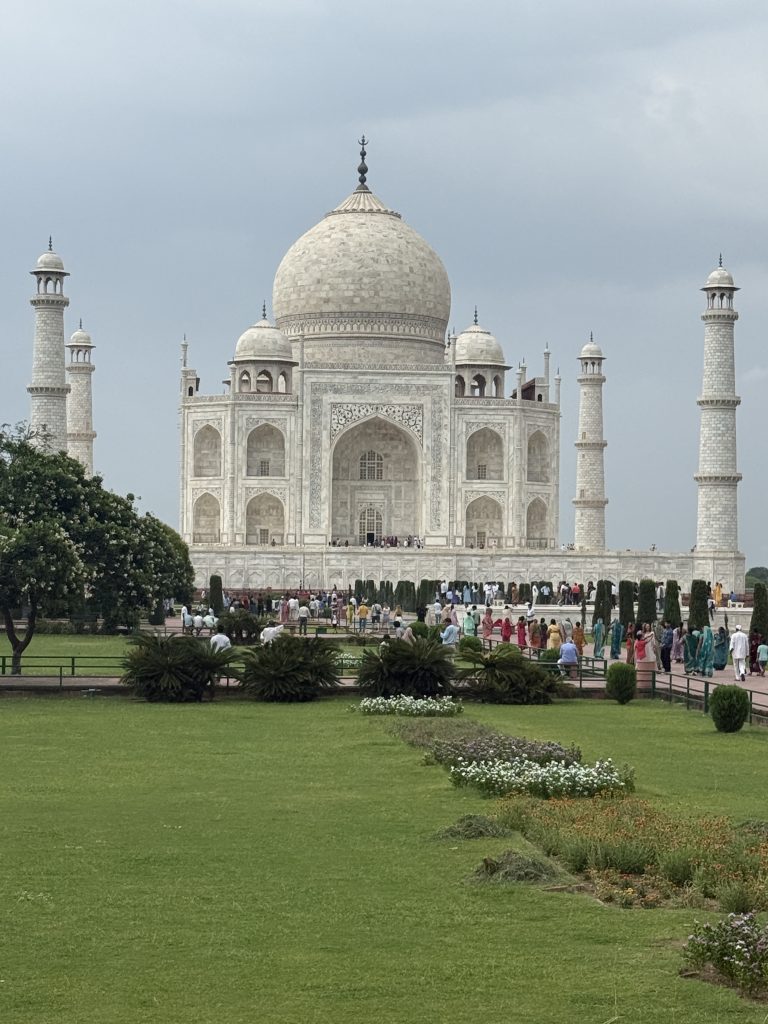
The Reality: Shah Jahan’s house arrest by his son Aurangzeb was undeniably tragic, but it wasn’t quite that cruel. The fallen emperor was confined to a luxurious, open-air white marble pavilion. He didn’t need a tiny shard of glass to see his creation; the pavilion itself features sweeping, massive panoramic views of the Yamuna River and the Taj Mahal. The tiny mirrors were just Sheesh Mahal style decorative accents, popular across Mughal architecture to catch and scatter candlelight.
The Takeaway: Enjoy the Show, Question the Shop
Agra’s tour guides are an essential part of the experience. Their theatrical storytelling brings the dead stones of the Mughal Empire back to life. Enjoy the romance of the narrative, laugh at the drama, but remember to leave the mythology behind when you step into the gift shop.