
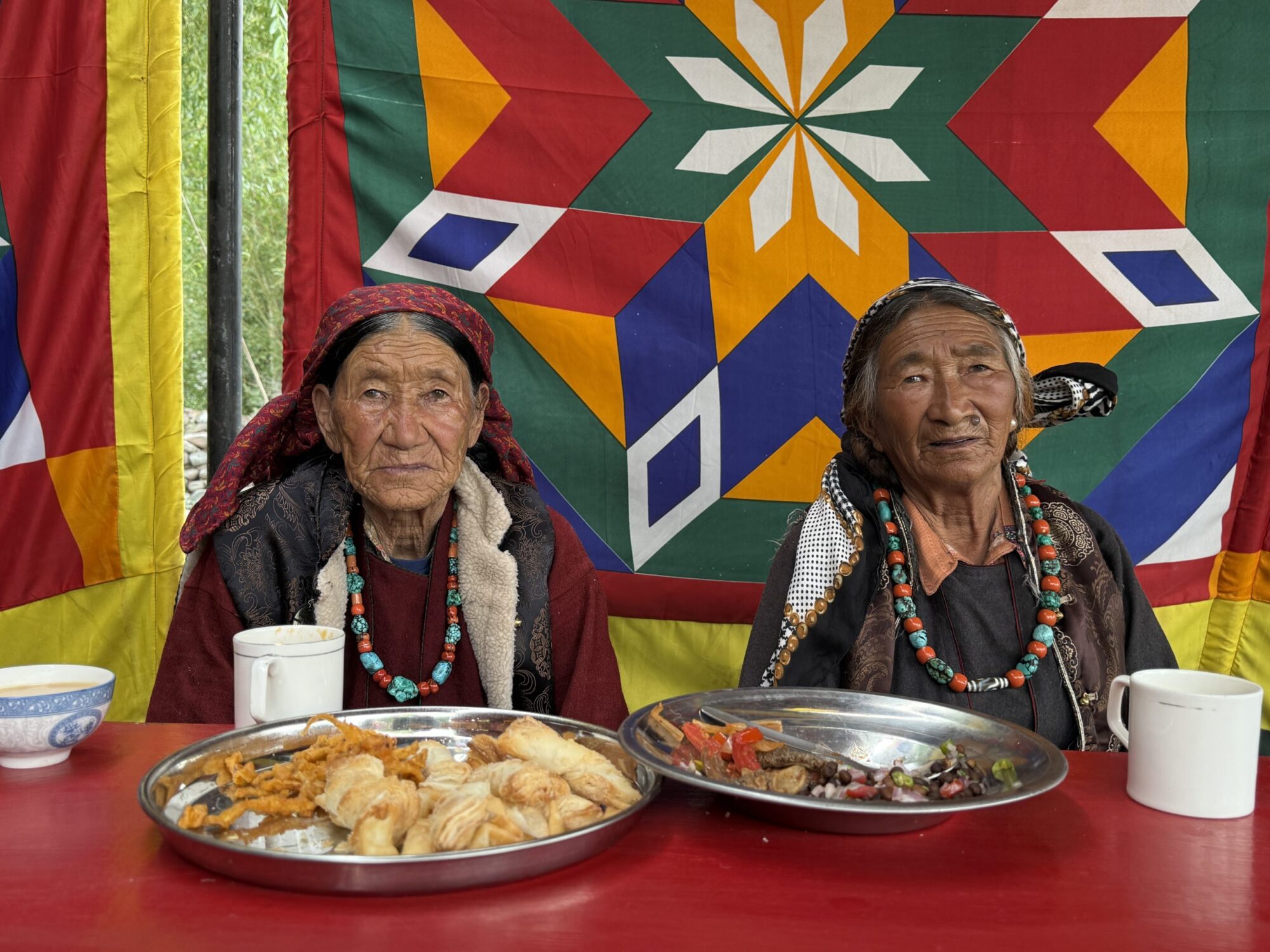
Why Ladakh is Little Tibet
You feel it before you can explain it. Prayer flags strung across a canyon that could be Nevada. Chortens standing alone in a dust colored valley like they grew out of the rock. A monk on a motorbike. The word “Tibet” gets used here so often, by guidebooks, by shopkeepers, by the maroon robed men walking the market in Leh, that it starts to feel less like a comparison and more like a fact. Ladakh is not Tibet. It has never been governed from Lhasa in the modern era, and politically it sits firmly inside India. But the label “Little Tibet” isn’t tourism marketing. It’s the residue of a thousand years of shared blood, language, religion, and trade, and it survived a border that tried to cut it in half.
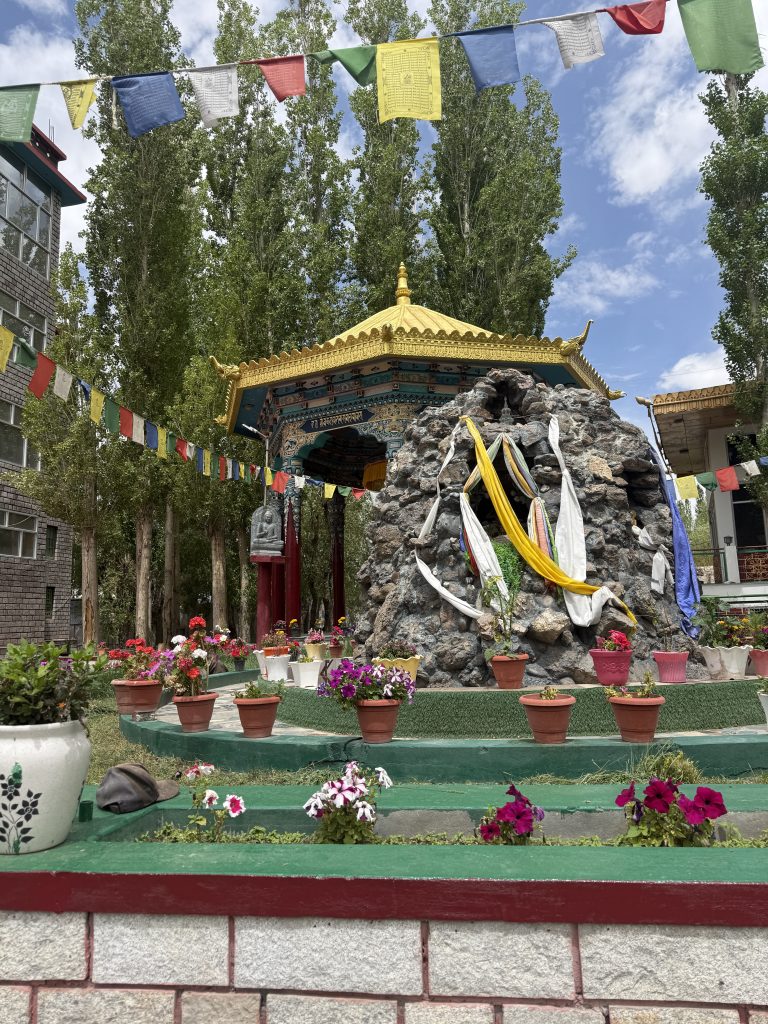
The mountains decided this before anyone else did
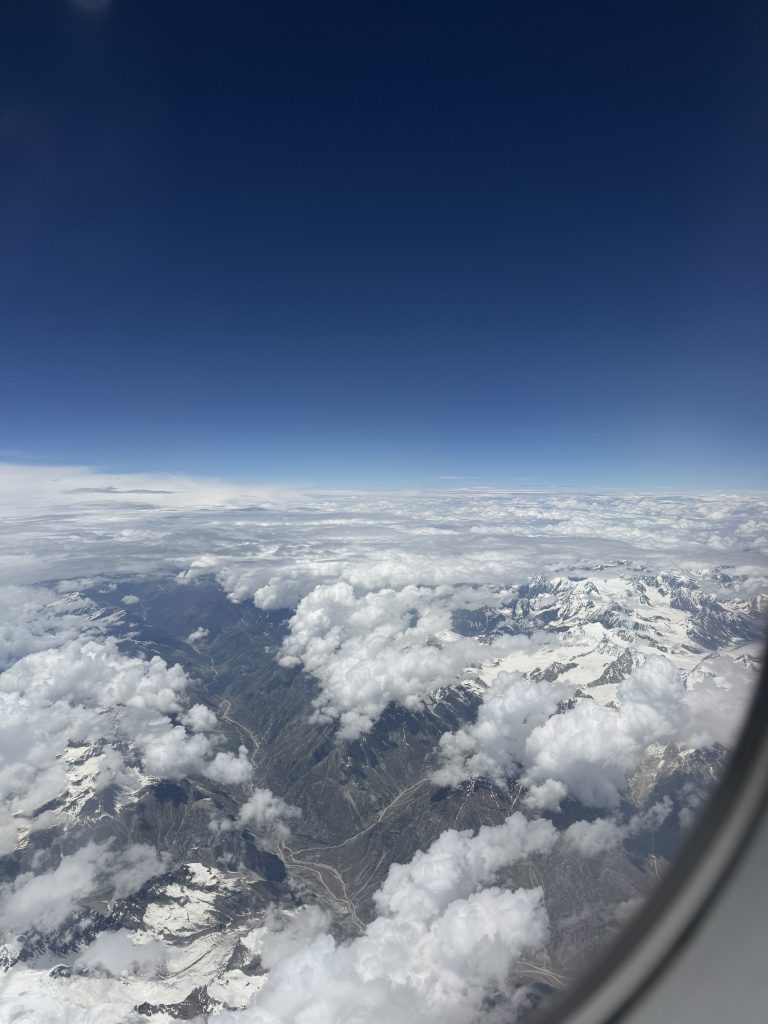
Look at a relief map of the region and it is clear. Ladakh sits on the western edge of the Tibetan Plateau, walled off from the rest of the Indian subcontinent by the Great Himalaya. Getting from Leh south into Kashmir or the Indian plains has always meant crossing brutal passes, Zoji La, and staying open for maybe half the year. Getting east toward Tibet meant crossing a plateau that, while high and thin on oxygen, was comparatively passable. For centuries the path of least resistance ran toward Lhasa, not toward Delhi. Geography wrote the first draft of Ladakh’s identity, and everything else was commentary.
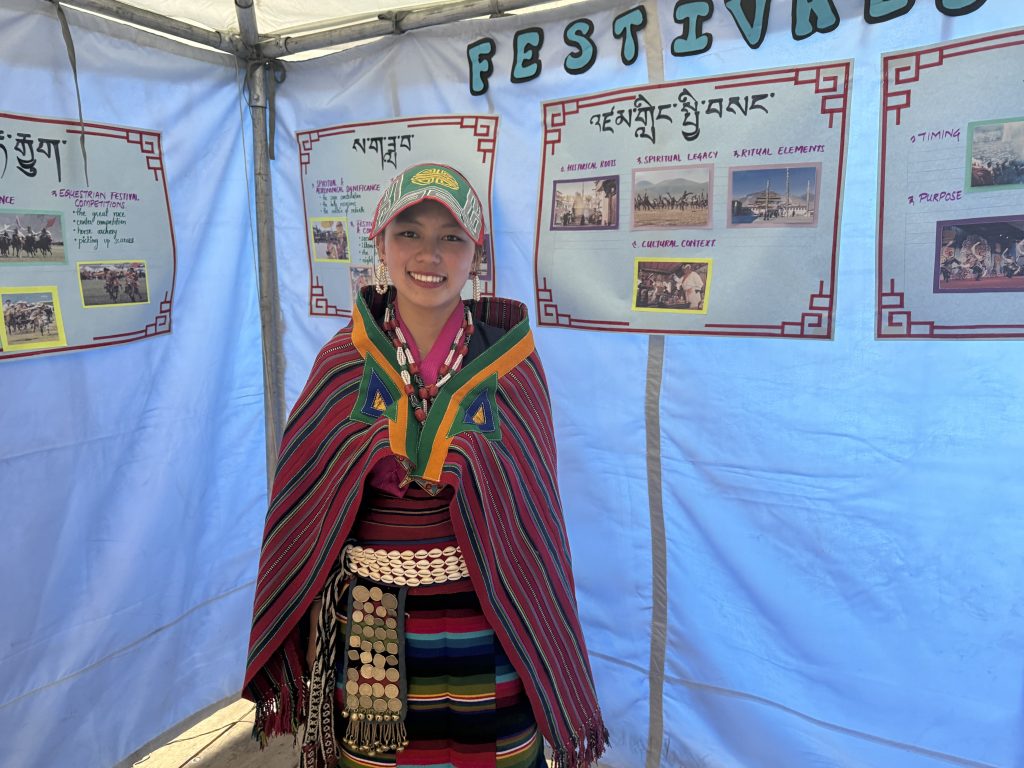
The people themselves are the argument
This isn’t just about which direction the trade caravans walked. The population of central Ladakh, especially around Leh, is largely descended from Tibetan and Tibeto-Burman stock. Ladakhi, the language you hear in the market, is a Tibetan dialect. It’s written in Tibetan script. A monk from Lhasa and a monk from Thiksey can sit down and understand each other’s liturgy without much trouble. They didn’t borrow culture from each other. They came from the same place.
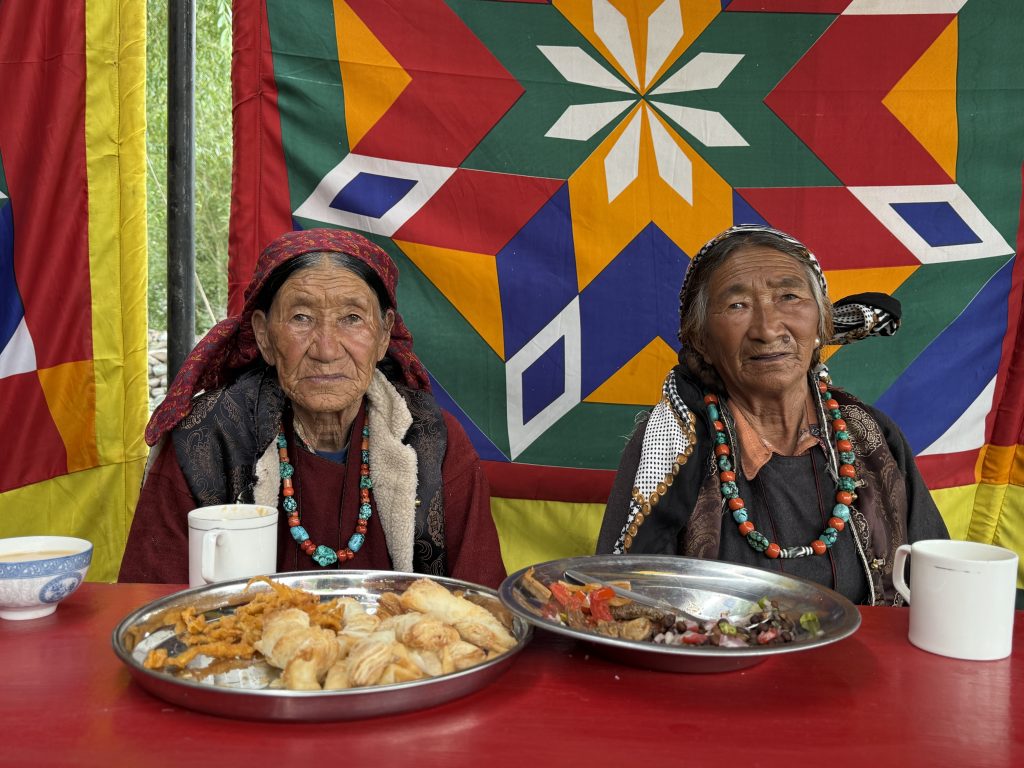
Buddhism arrived and never left
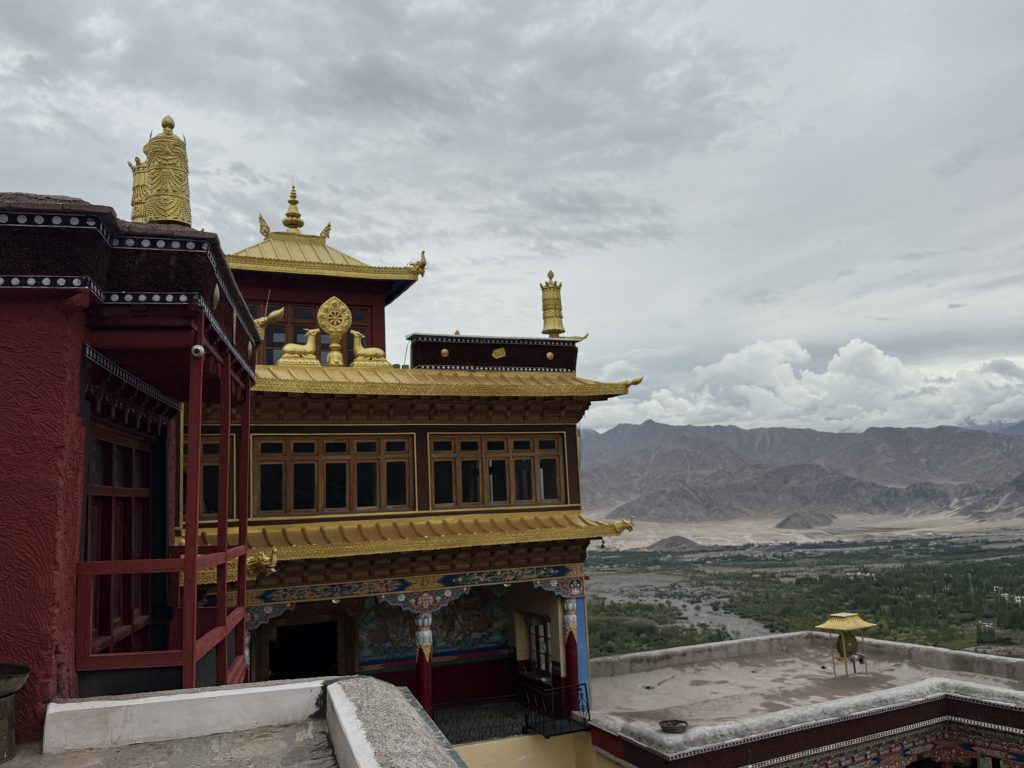
Vajrayana Buddhism took root in Ladakh by roughly the tenth or eleventh century, and one of the great accelerants was the collapse of the Tibetan Empire itself, which sent monks, nobles, and refugees streaming west into what Ladakh offered: remote, defensible, already connected by trade. What they built has outlasted the empires. Hemis, Thiksey, Alchi, Lamayuru, Diskit, these monasteries aren’t museum pieces. They practice living lineages, Drukpa Kagyu, Gelug, and others, using Tibetan texts and maintaining teacher to student relationships that trace directly back to monasteries in Tibet proper. Walk into a gompa during morning prayers and you’re not looking at a recreation. You’re looking at continuity.
This is also the root of something you feel constantly in Ladakh: the reverence for the Dalai Lama. It’s not imported devotion. Ladakhis regard him as their spiritual head in the same way Tibetans do, because there isn’t a meaningful line separating the two communities of faith. There is only an imaginary border built by countries that will eventually disappear.
A kingdom in Tibet’s orbit
From around the tenth century, and especially once the Namgyal dynasty consolidated power in the fifteenth, Ladakh existed as its own kingdom. It was never a Tibetan province. But it operated inside the same civilizational sphere, trading monks and texts and marriage alliances with Tibet the way European royal houses traded princesses. Stand in front of Leh Palace and you’re looking at architecture that comes from the same place as the Potala in Lhasa, a nine story mudbrick statement that the rulers of Ladakh saw themselves as part of the same world, even while running their own court.
The road itself was the culture
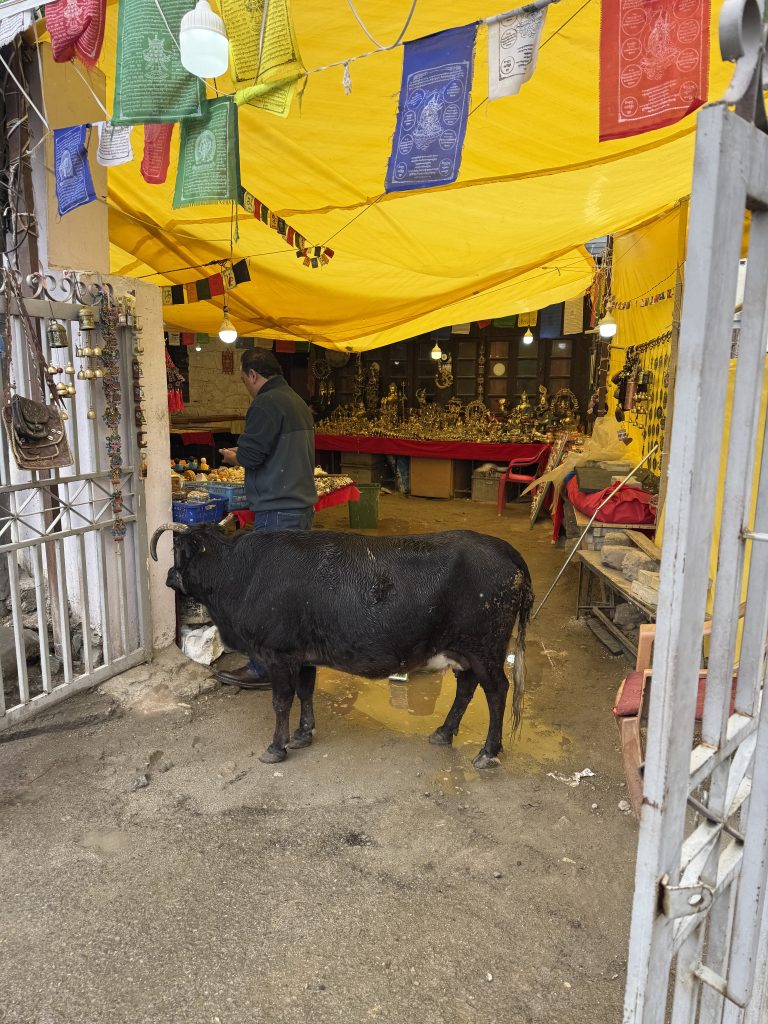
Leh wasn’t a remote outpost. It was a hub. Caravans loaded with pashmina wool, salt, tea, and textiles moved constantly along routes connecting Lhasa, Kashmir, and Yarkand in Central Asia. Every one of those caravans was also a transmission line for language, religion, gossip, and marriage prospects. Long before anyone drew a modern border on a map, Leh’s economy and its culture were already fused to Tibet’s.
1959 sharpened everything
The label “Little Tibet” gets used most intensely today because of what happened after 1959. When the Dalai Lama fled into exile following the Tibetan uprising, refugees scattered across India, and some settled in Ladakh and the wider Himalayan belt. At the same moment, Tibet itself became harder and harder for outsiders, and eventually for Tibetans themselves, to access freely in its traditional form. Ladakh, meanwhile, kept its monasteries open, its festivals running, its prayer wheels turning. For travelers and scholars who could no longer easily witness pre-1959 Tibetan life inside Tibet, Ladakh became the place where you still could. A continuation of something that was taken away in Tibet itself.
That’s how Ladakh became Little Tibet. It isn’t a nickname assigned from outside. It’s what exists when you strip away the modern political border and look at where the people, the language, the religion, and the roads actually emerged. They all point the same direction. They always have.