
Note from CD: I had AI compose this article with some detailed prompts. I lightly edited and fact checked it. If you don’t read it, no biggie, I didn’t spend my valuable time composing it. It is interesting though, which is why I’m publishing it and had AI write it.
On Easter Sunday 1967, one of the most famous Americans in Asia stepped out for an afternoon stroll in Malaysia’s misty Cameron Highlands and simply vanished. James Harrison Wilson Thompson — architect, World War II spy, and the man who single-handedly revived Thailand’s silk industry — left behind a thriving business, a legendary house filled with priceless art, and a trail of conspiracy theories that still refuse to die nearly six decades later.
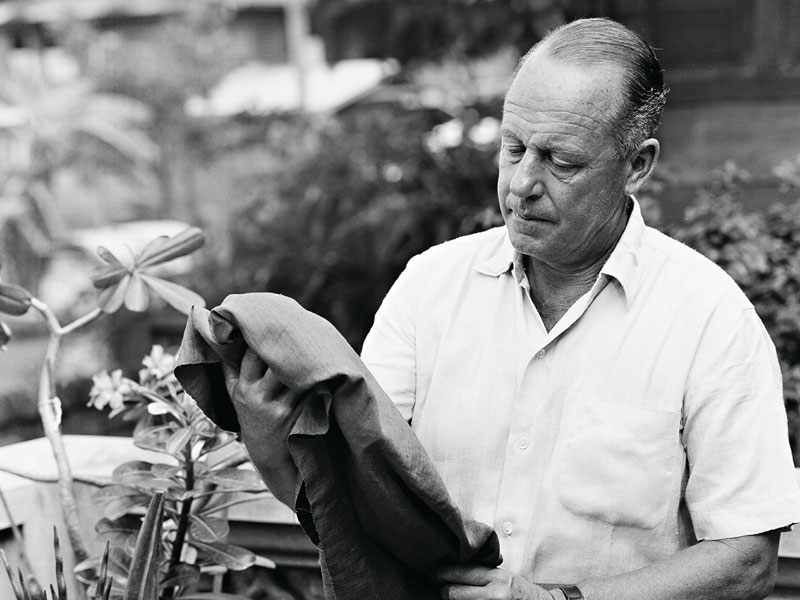
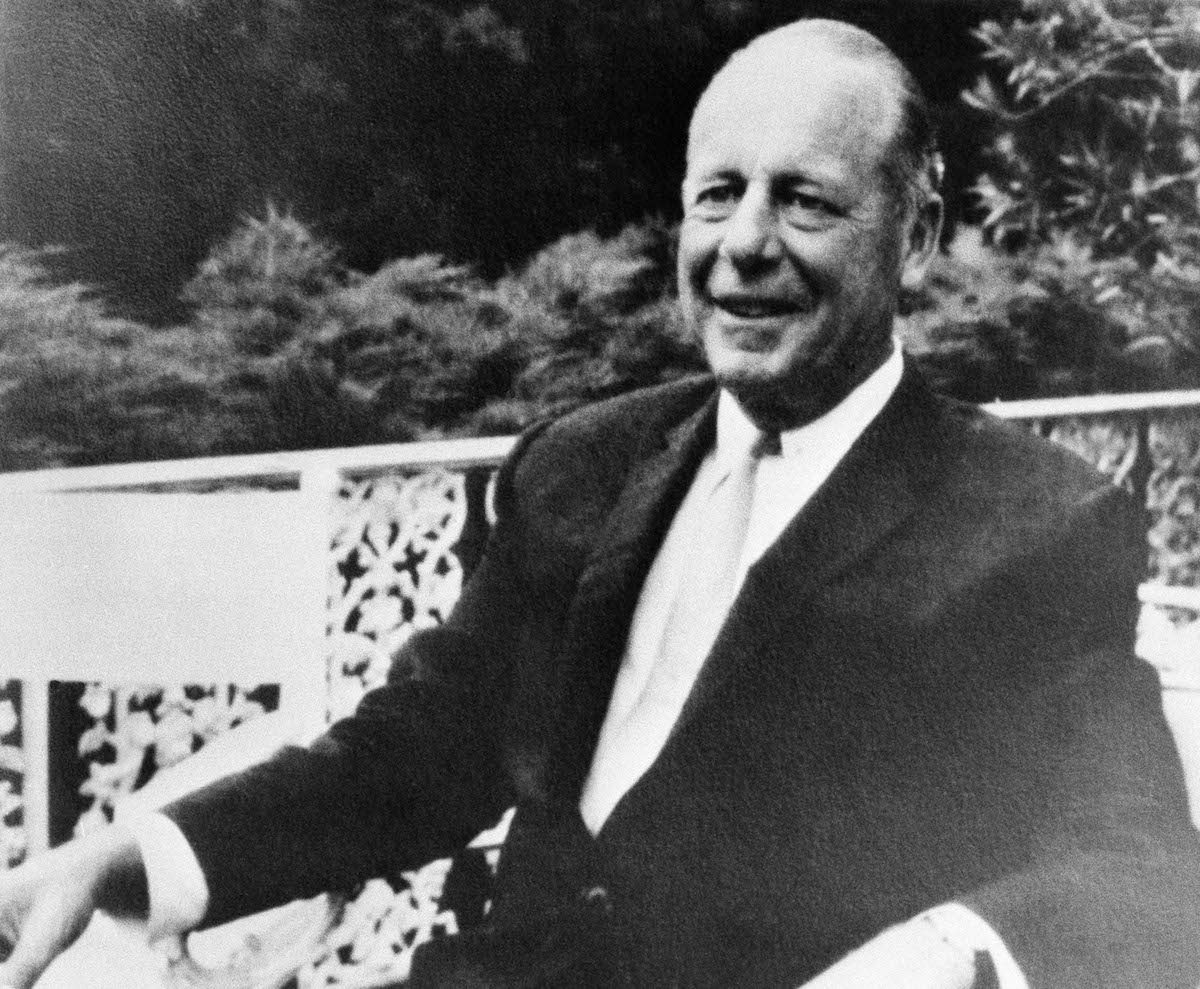
Born on March 21, 1906, in Greenville, Delaware, Thompson grew up in privilege as the youngest of five children in a wealthy textile family. He studied at Princeton (where he even competed in sailing at the 1928 Olympics), trained as an architect in New York, and lived the high-society life until World War II changed everything. Recruited into the Office of Strategic Services (OSS, the precursor to the CIA), he served in North Africa and Europe before being sent to Southeast Asia. After Japan’s surrender, he arrived in Bangkok, fell in love with the city, and never really left.
Post-war, Thompson spotted an opportunity in Thailand’s dying silk trade. With a tiny initial investment, he founded the Thai Silk Company in 1948 and transformed hand-woven silk into a global luxury product. He introduced bold jewel-tone colors that caught the eye of Broadway costume designers for The King and I and landed features in Vogue. By the late 1950s, his company was exporting hundreds of thousands of dollars’ worth of silk annually, lifting thousands of Thai families out of poverty while keeping production in traditional cottage-style weaving.


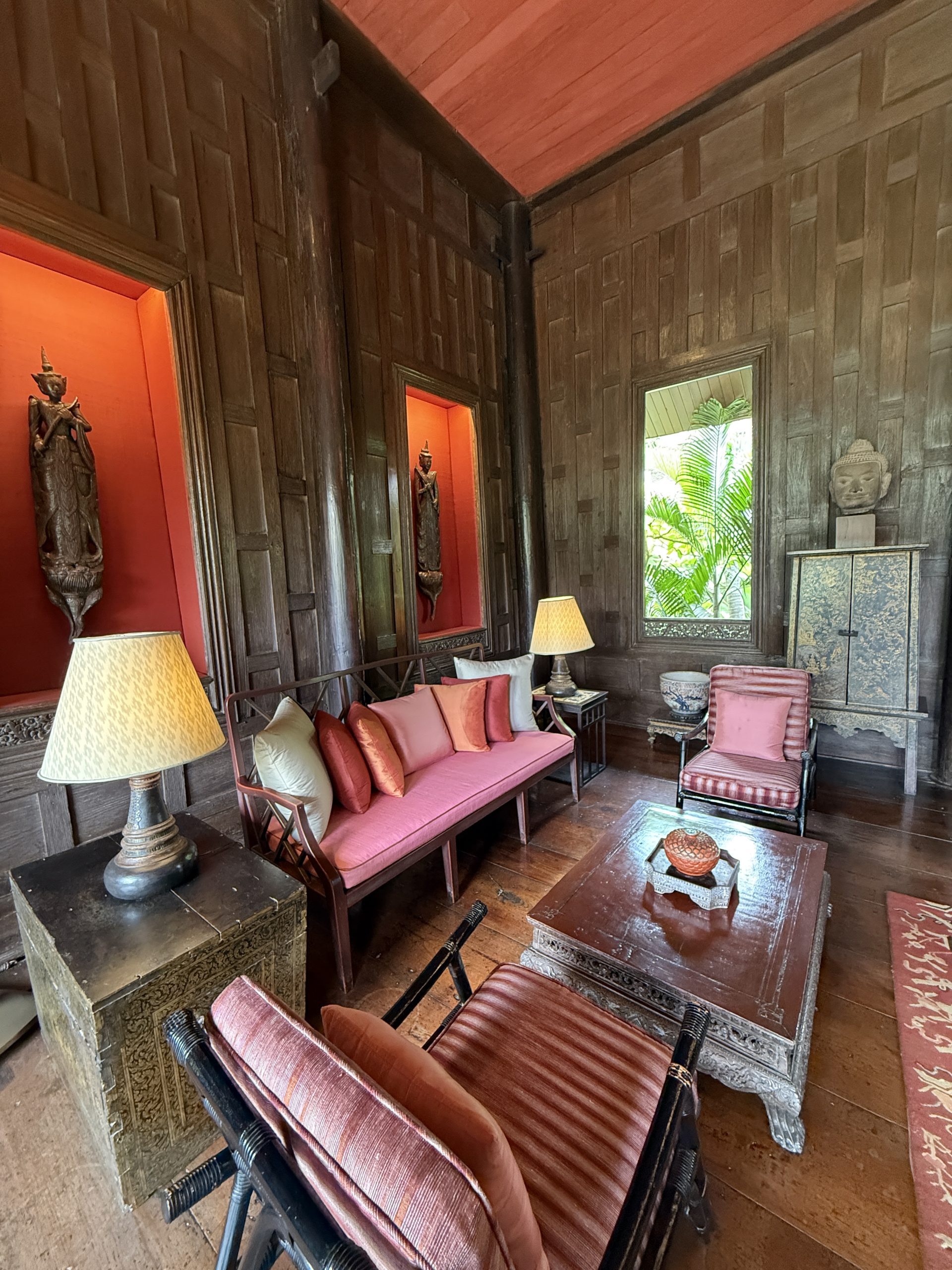
In 1959 he built his masterpiece: the Jim Thompson House in Bangkok. Six antique teak houses were dismantled, floated down rivers, and reassembled into a stunning museum-like residence filled with Ming porcelain, Cambodian carvings, and Benjarong ceramics. It became a social hub and remains one of Bangkok’s top attractions today.


Then came the disappearance.
The Easter Stroll That Never Ended
In March 1967, Thompson, then 61, was vacationing with friends at Moonlight Cottage (also called the “Moonlight bungalow”) in Malaysia’s Cameron Highlands — a cool, colonial-era hill station of tea plantations and jungle. On the morning of March 26 he attended church, returned for lunch, and at around 1:30 p.m. waved goodbye to his companions and set off alone down Jalan Kamunting for a walk. He was last seen around 4 p.m. by a cook at a nearby mission bungalow. He never returned for dinner.
He left his passport, wallet, money, and cigarettes behind at the bungalow — unusual for a man known for meticulous habits. A massive search involving more than 500 people — Malaysian police, army units, Gurkhas, Orang Asli trackers, British soldiers, even mystics and clairvoyants — combed the area for weeks. Helicopters, bloodhounds, and reward hunters turned up nothing. The case made international headlines.
A later search-and-rescue analysis concluded the original effort probably covered less than half the necessary terrain and used flawed tactics. The probability that Thompson’s remains are still somewhere in those 17-plus square miles of jungle remains high.


The Wild Stories: Kidnappings, Communists, and Jungle Ghosts
The absence of a body, ransom note, or any trace ignited decades of speculation. Here are some of the wildest (and most persistent) theories:
Kidnapped for ransom (or political leverage) The most popular early theory. Malaysia was poor; Thompson was wealthy and famous. Yet no demand ever came. Some versions claimed Thai or Malaysian political enemies grabbed him, or that he was taken across the border for intelligence value.
Murdered by business rivals or jealous lovers Thompson’s colorful personal life (including a long affair) and cutthroat silk trade fueled gossip. The FBI reportedly even floated theories involving scorned husbands or a secret homosexual lover. No evidence ever surfaced.
Eaten by a tiger or lost forever in the jungle The official Malaysian line for years: he simply wandered off, fell into a ravine, or became prey. Locals pointed to leopards and tigers in the highlands. Skeptics noted that bloodhounds found no scent trail into the jungle and vultures never circled any spot — odd for a corpse left in the open.
Communist hit by the Malayan rebels In 2017 the documentary Who Killed Jim Thompson? claimed fresh evidence from death-bed confessions: Thompson wasn’t vacationing — he was on a covert mission and tried to arrange a meeting with the secretary-general of the Communist Party of Malaya (then Malaysia’s most-wanted man). Rebels grew suspicious of the former OSS spy and killed him quietly. The filmmakers called it “unequivocal,” though skeptics note the sources remain second-hand.
Voluntary disappearance for secret CIA/Vietnam work Some friends insisted Thompson grew bored with silk and simply walked away to help broker peace in Vietnam or resume espionage. A 1967 quote from journalist Richard Hughes captured the mood: “I still insist… that he disappeared by his own choice and will, and not by force.”
Hit-and-run and secret burial In 1985 bone fragments were found near Brinchang. Researcher Philip J. Rivers theorized Thompson was struck by a car on the quiet mountain road, his body hidden in underbrush and later buried by locals fearing trouble. No DNA match has ever been confirmed.
Even wilder whispers linked the case to the 1946 regicide of Thailand’s young king or claimed Thompson’s sister’s brutal murder in Pennsylvania months later was connected retaliation. A 2015 analysis found no credible link.
Adding modern intrigue: a 2023 Thai investigation revealed Thompson had smuggled ancient artifacts from sites like Si Thep Historical Park and sold them abroad — another layer of mystery to an already shadowy life.
The Legacy That Refuses to Fade
Thompson was declared legally dead by a Thai court in 1974. His company thrives today as Jim Thompson Thai Silk, and his house museum draws thousands of visitors yearly. The man who turned Thai silk into an international symbol of elegance left behind more than fabric — he left one of Southeast Asia’s greatest unsolved mysteries.
Whether he lies forgotten in the Cameron Highlands jungle, was quietly eliminated by Cold War ghosts, or simply chose to vanish into a new life, the Silk King’s story continues to captivate. The jungle still holds its secrets — and the theories keep spinning.