
Note from CD: This is another article I used AI to write. I provided the parameters, the details I wanted included, and the general theme and flow of the article and gave it to Grok. I have done some light fact checking and light editing
Thailand is often called the “Land of Smiles,” but its soul is deeply rooted in Theravada Buddhism, which has guided the kingdom for over 700 years. This ancient faith does more than inspire serene monks and golden spires — it has shaped Thai literature for centuries and given rise to some of Southeast Asia’s most breathtaking religious and archaeological sites. Bangkok and its surrounding region offer the perfect place to explore this living heritage: from sacred texts that still echo in modern Thai culture to temples that blend living worship with profound historical significance.
Buddhism’s Enduring Influence on Thai Literature
Buddhist teachings arrived in what is now Thailand around the 13th century and quickly became the foundation of Thai literary tradition. One of the oldest and most important works is the Trai Phum Phra Ruang (“The Three Worlds According to King Ruang”), a 14th-century cosmological treatise written by King Lithai of Sukhothai. This text describes the Buddhist universe — hells, heavens, and the human realm — and remains a cornerstone of Thai thought on karma, merit, and rebirth.
Later periods produced epic poems drawn directly from the Jataka tales (stories of the Buddha’s previous lives). The most beloved is the Mahachat Kham Luang (“The Great Birth”), an elaborate retelling of the Vessantara Jataka that blends Pali verse with Thai poetry. Even today, monks chant this story during the annual Thet Mahachat festival. Another classic is the Legend of Phra Malai, a Buddhist epic composed in 1737 that teaches compassion and the consequences of karma.
The Ramakien — Thailand’s version of the Indian Ramayana — further shows how Buddhism wove itself into literature. While rooted in Hindu myth, the Thai adaptation adds strong Buddhist moral lessons and became the basis for royal court performances and temple murals. Proverbs, idioms, and everyday language still draw on concepts like merit-making (tham bun), karma, and non-attachment, reflecting how deeply Buddhism has molded Thai mentality and expression.
These literary treasures are not dusty relics — they live on in modern Thai novels, films, and temple sermons, reminding visitors that every golden chedi and serene Buddha image carries centuries of storytelling.
Iconic Religious Temples in Bangkok
Bangkok (“Krung Thep”) is home to over 400 temples. The following are the most important for both religious devotion and cultural value.
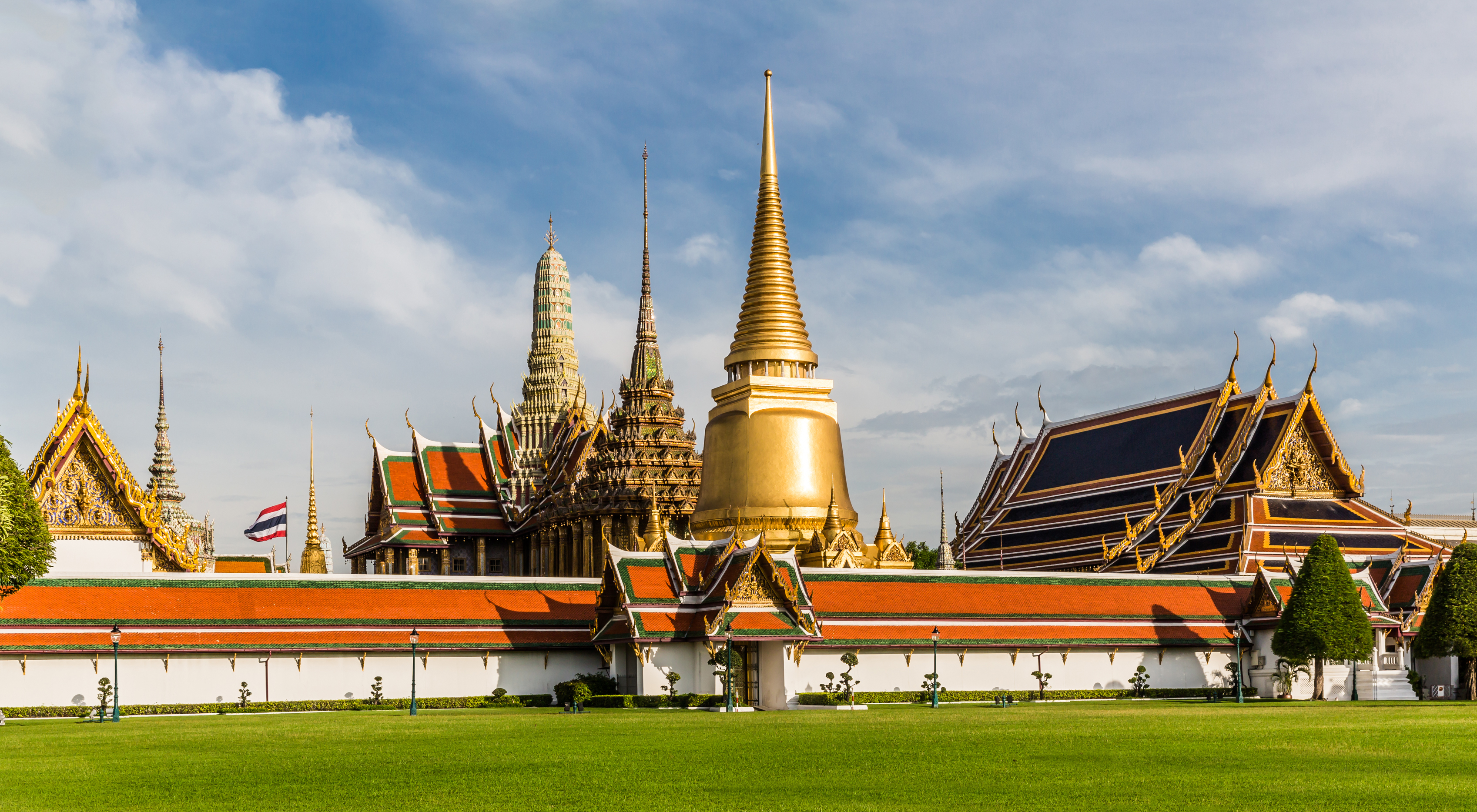
Wat Phra Kaew (Temple of the Emerald Buddha) – Inside the Grand Palace This is Thailand’s most sacred temple and the spiritual heart of the nation. The Emerald Buddha — a small but immensely powerful jade statue — is considered the palladium of Thailand. Kings still change its seasonal robes three times a year. The surrounding Grand Palace complex showcases exquisite Thai architecture: gilded spires, mirrored mosaics, and murals depicting the Ramakien.
Why it matters: It symbolizes Thai sovereignty and unity. Every Thai monarch is crowned here in spirit. How to visit: Located on Na Phra Lan Road in the Old City (near Sanam Chai MRT or Chao Phraya river boats). Hours: Daily 8:30 AM – 3:30 PM (last entry 3:00 PM). Cost: 500 THB per adult (includes Grand Palace and Wat Phra Kaew; children under 120 cm free). Tips: Strict dress code — shoulders and knees must be covered (no shorts, tank tops, or torn clothing). Sarongs and pants are available to rent for a 300 THB deposit. Arrive early to beat the heat and crowds. No photography inside the Emerald Buddha chapel.

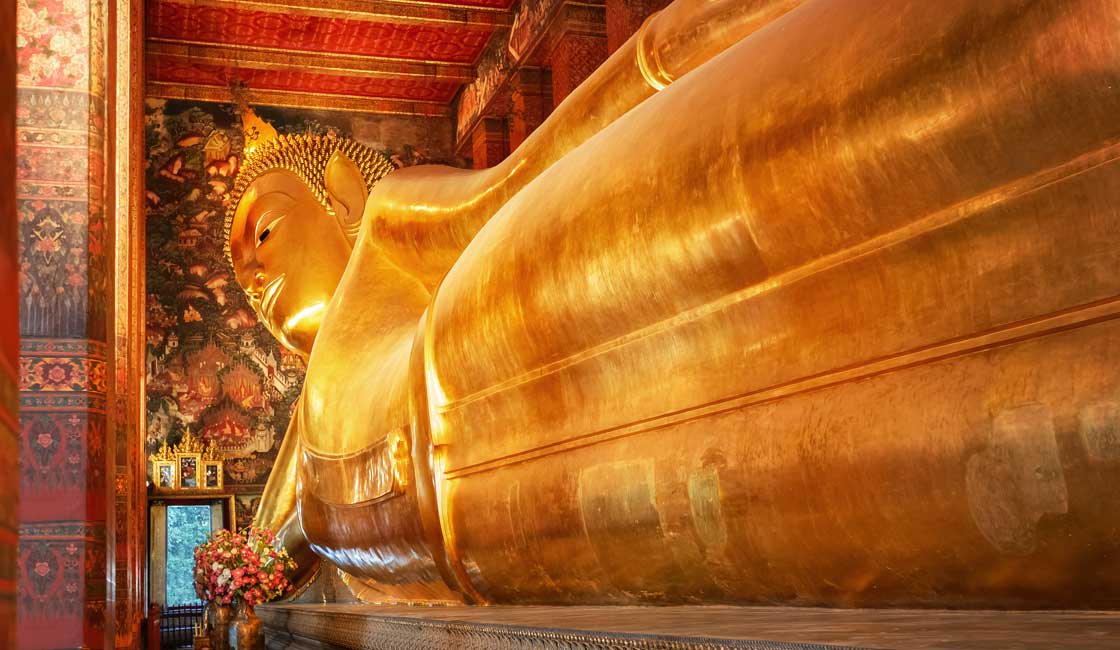
Wat Pho (Temple of the Reclining Buddha) Right next to the Grand Palace, Wat Pho is Bangkok’s oldest and largest temple complex. Its star attraction is the 46-metre-long, gold-plated Reclining Buddha, whose feet alone are covered in mother-of-pearl. The temple also houses the country’s first public university and the birthplace of traditional Thai massage.
Why it matters: A living centre of healing and education as well as worship. How to visit: Walk from Wat Phra Kaew or take a short river ferry. Hours: 8:00 AM – 6:30 PM daily. Cost: 300 THB (free for children under 120 cm). Tips: Modest dress required. You can book a traditional Thai massage on-site (highly recommended after walking the grounds).
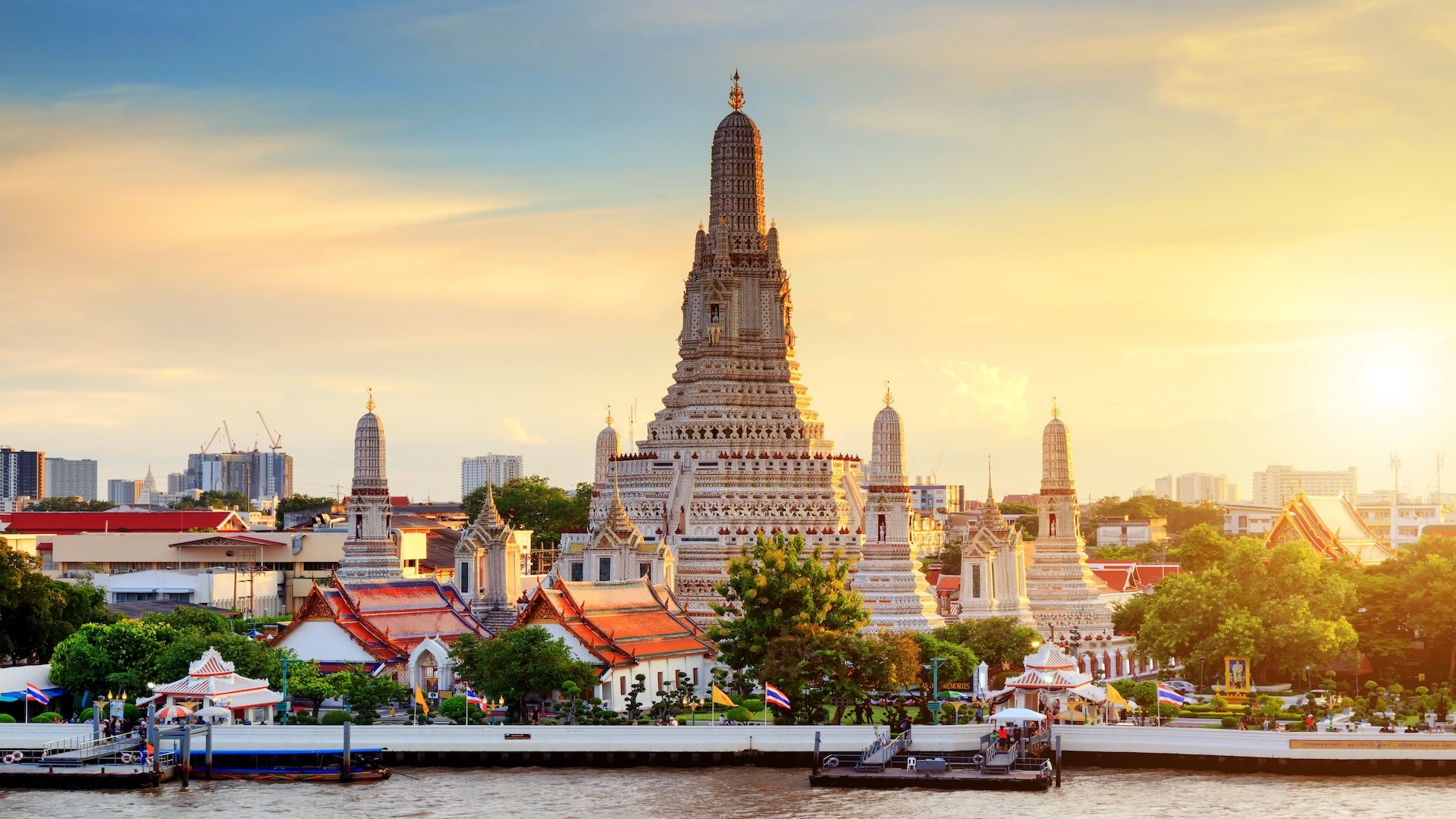
Wat Arun (Temple of Dawn) Across the Chao Phraya River in Thonburi, this iconic temple rises like a porcelain mountain. Its 82-metre prang (tower) is decorated with millions of broken Chinese porcelain pieces that sparkle at dawn and dusk. It briefly housed the Emerald Buddha before the statue moved to Wat Phra Kaew.
Why it matters: A perfect blend of Khmer, Thai, and Chinese artistic influences; an archaeological and aesthetic masterpiece. How to visit: Take the cross-river ferry from Tha Tien pier (2 THB). Hours: 8:00 AM – 6:00 PM. Cost: 200 THB per adult. Tips: Climb the steep stairs for panoramic views (not suitable for those with mobility issues). Best photographed at sunrise or sunset.
Exploring the Enchanting Wat Arun: A Comprehensive Travel Guide to Bangkok’s Iconic Temple » Agoda: See The World For Less
Wat Traimit (Temple of the Golden Buddha) In Chinatown, this unassuming temple hides one of the world’s largest solid-gold Buddha statues (5.5 tonnes, 3 metres tall). Discovered only in the 1950s when the plaster outer layer cracked during transport.
Why it matters: A symbol of hidden treasures and resilience. Hours: 8:00 AM – 5:00 PM (museum closed Mondays). Cost: 100 THB for the Buddha + 100 THB for the museum. Tips: Combine with a Chinatown food tour.
Archaeological Treasures Around Bangkok: Ayutthaya Historical Park
Just 80 km north of Bangkok lies the former capital of Ayutthaya (1350–1767), a UNESCO World Heritage Site whose ruins offer a powerful contrast to Bangkok’s living temples. This once-mighty city was destroyed by Burmese invaders in 1767, leaving haunting brick stupas, palaces, and Buddha statues reclaimed by nature.
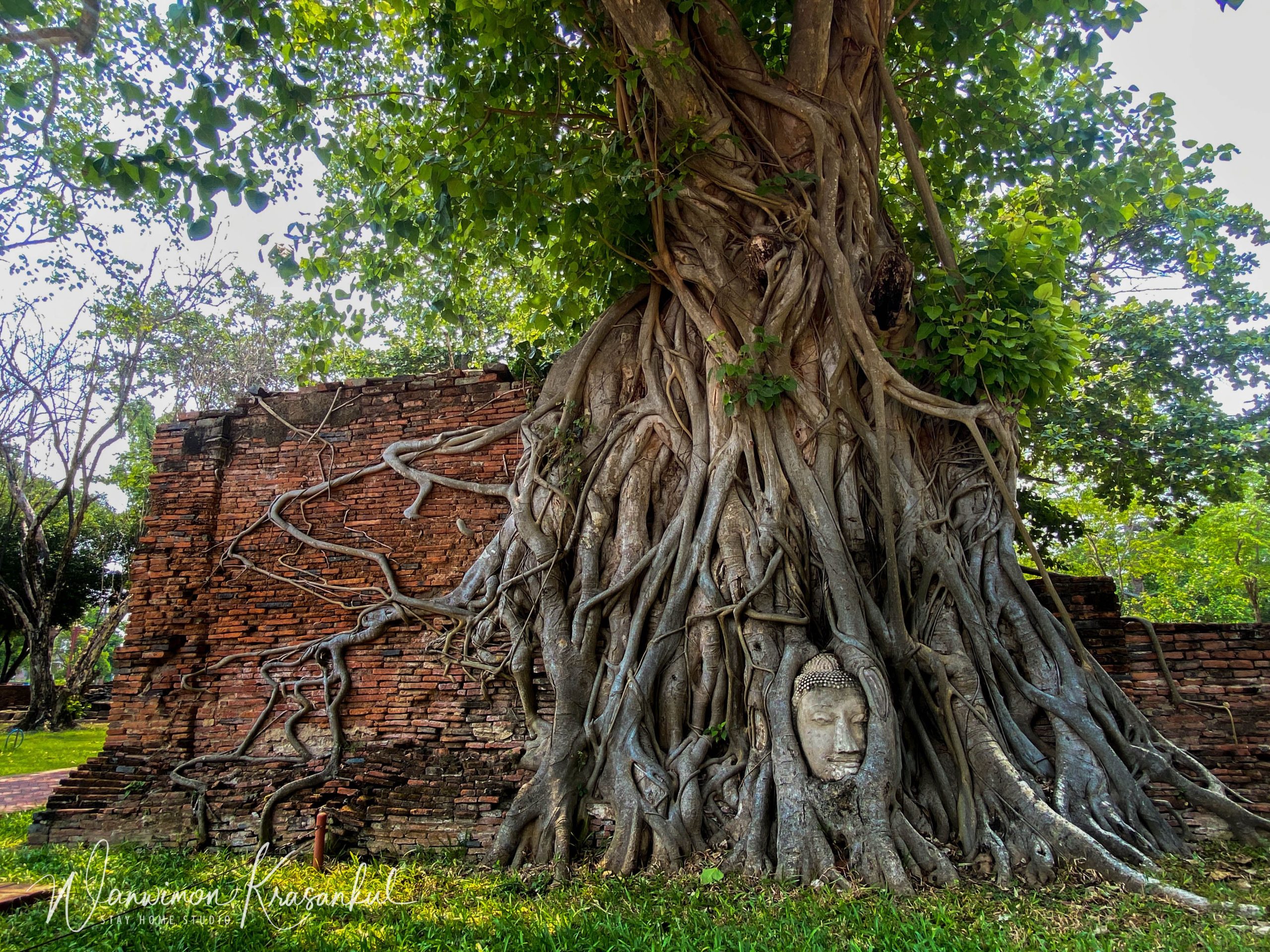
Key highlight: Wat Mahathat — famous for the Buddha head entwined in banyan tree roots, one of the most photographed images in Thailand. Other must-sees include Wat Phra Si Sanphet (the royal temple with three chedis) and Wat Chaiwatthanaram (a Khmer-style riverside ruin).
Why it matters: These ruins represent the rise and fall of a cosmopolitan empire that once rivalled European capitals in size and wealth. They are pure archaeological wonder alongside spiritual resonance. How to visit: Easy day trip from Bangkok — train (≈50 THB, 1.5–2 hrs from Hua Lamphong or Bang Sue), bus, or private tour (recommended for comfort). Rent bicycles or a tuk-tuk inside the park. Hours: Sites open ≈8:00 AM – 6:00 PM. Cost: Historical Park free; individual temples 20–50 THB each for foreigners (total ≈200 THB for the main sites). Tips: No strict dress code (respectful clothing advised), but bring water and sunscreen. Visit early or late to avoid midday heat. Guided tours often include entry fees and transport from Bangkok.
Practical Tips for Any Temple Visit
- Dress respectfully everywhere (long pants or skirts, covered shoulders).
- Remove shoes before entering any hall.
- Be quiet and avoid pointing feet toward Buddha images.
- Best time: Early morning (cooler, fewer crowds) or late afternoon for golden light.
- Getting around Bangkok: BTS/MRT + river boats are cheapest and most scenic.
- Current costs (as of 2026) can change slightly; check official sites or the Tourism Authority of Thailand app before visiting.
Whether you lose yourself in the poetic verses of the Trai Phum or stand awestruck before the Emerald Buddha, these temples and literary traditions reveal the same truth: in Thailand, Buddhism is not just a religion — it is the living story of a nation. Plan your visit, dress modestly, and prepare to be moved by centuries of faith, art, and resilience.