
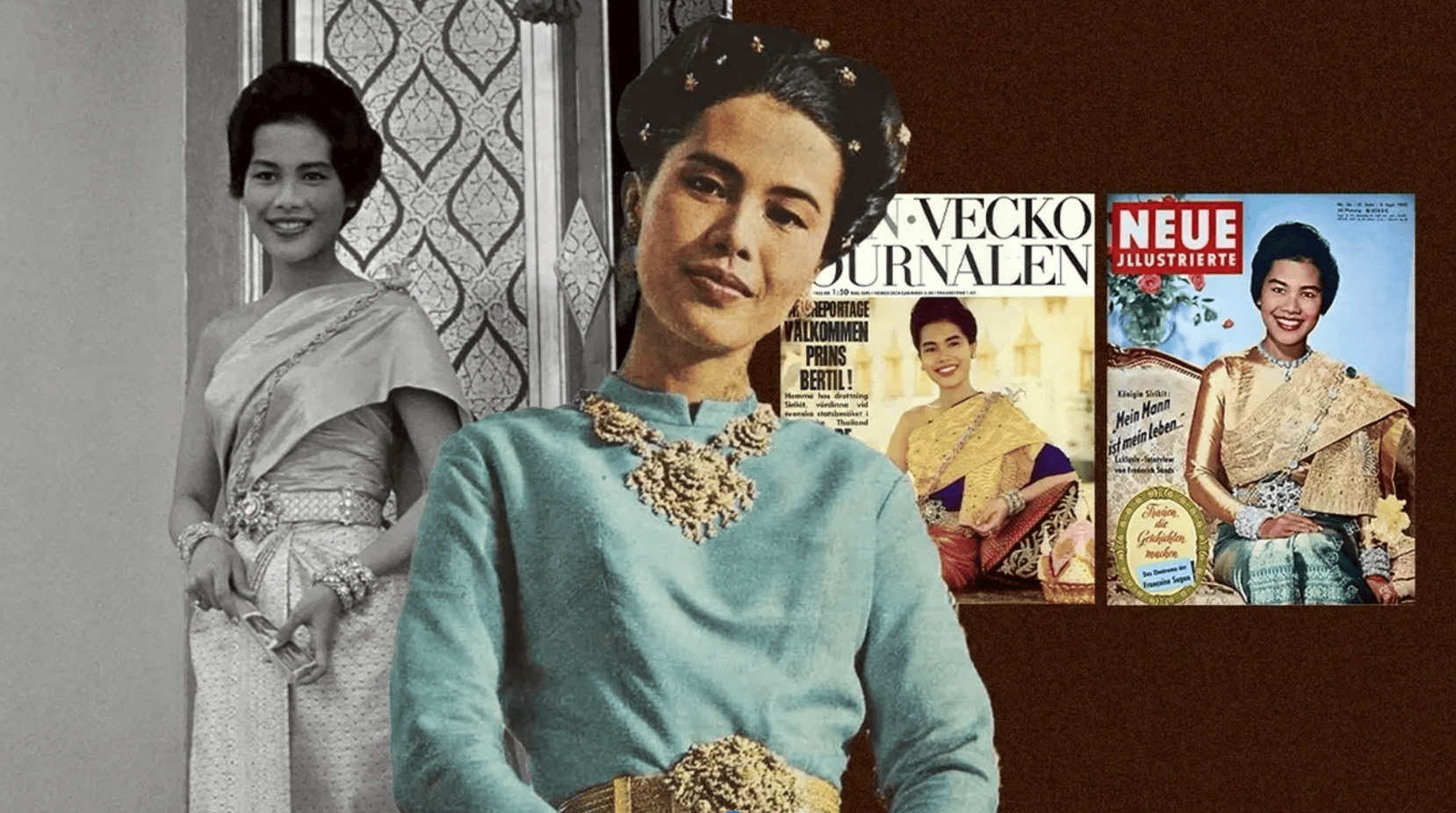
(Note from CD – I am currently in Thailand and becoming more and more fascinated by the deep layers of culture that exist here, both ancient and modern, tying them together in this case in Thailand’s beloved Queen Sirikit who passed away last October but is still being mourned by the Thai people. Yesterday, I learned a lot about her and about Thai textiles – back in the old days I would have spent a few hours researching writing an article that would have been okay, but would have only been read by a few people at most. These days, I typed the parameters I wanted the article to cover into Grok and had Grok write the article. While there may still be some errors in the facts, the article Grok wrote fits with what I learned. I’m sharing it simply because I think it will likely be interesting for anyone who comes across it and reads it. So, on the downside a real human writer didn’t labor over this article, Grok wrote it in a few minutes. On the upside, I don’t need to worry about how much time I spent on an article that no one would read. This is a great use of AI technology in my opinion and the article is interesting and full of fun history. – ~CD)
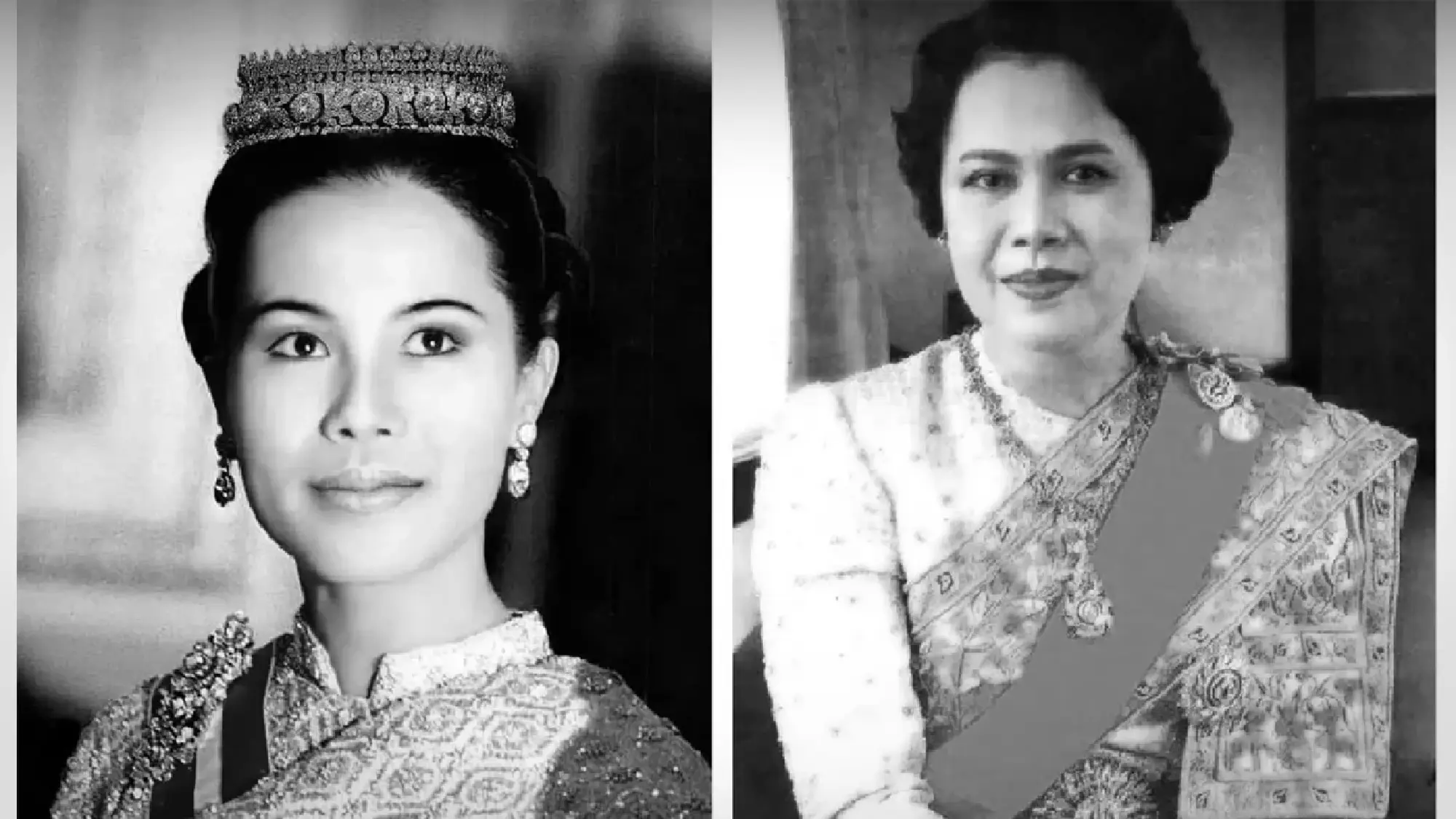
Her Majesty Queen Sirikit, the Queen Mother and consort of King Bhumibol Adulyadej (Rama IX), stands as the architect of modern Thai national identity through fashion. Often referred to in historical and cultural contexts as the defining queen of her era, she created the formal Thai national costume—known as Chut Thai Phra Ratchaniyom or “Thai dress of royal endorsement”—in the 1960s. This was no mere sartorial choice. It was a deliberate act of cultural diplomacy and preservation at a time when Thai women at state functions wore Western suits and hats, while traditional attire felt too informal for the global stage.
In 1960, ahead of a landmark state visit to the United States and 15 European countries, Queen Sirikit researched historical royal garments from the Sukhothai, Ayutthaya, and Rattanakosin periods. She collaborated with French couturier Pierre Balmain for tailoring and embroidery master François Lesage for intricate details. The result was a suite of eight elegant styles that fused ancient Thai elements—pleated skirts (sinh), draped sashes (sbai), and tubular blouses—with modern Western cuts for comfort and dignity. These designs promoted Thai silk weaving, elevated rural artisans, and instantly captured international acclaim, landing the Queen on best-dressed lists worldwide.
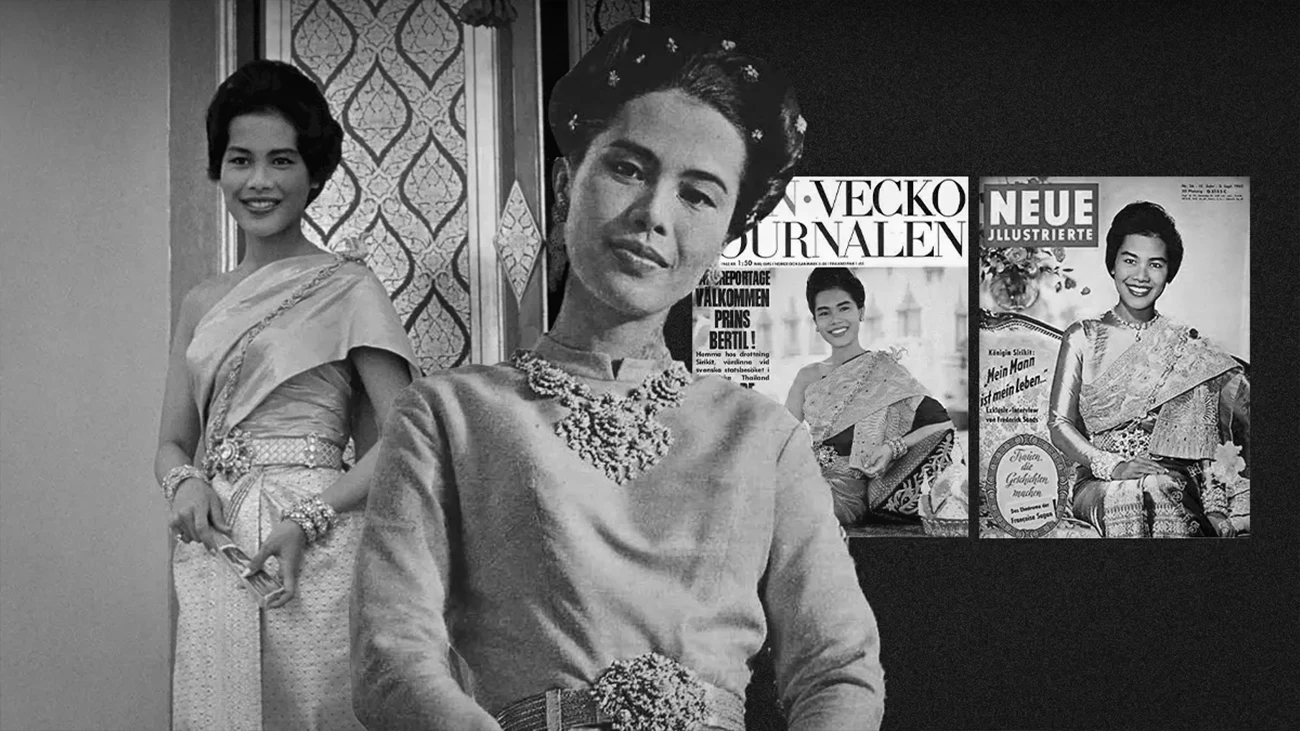
The eight official Chut Thai styles, each named after royal pavilions or themes, suit different occasions while showcasing Thailand’s textile heritage:
- Chut Thai Chakri: The most iconic evening style with a draped sbai over one shoulder and a pleated sinh skirt, often in thick “yok” brocade woven with gold or silver threads.
- Chut Thai Boromphiman and Siwalai: Long-sleeved blouses tucked into ankle-length skirts, sometimes with an over-shoulder sash for royal ceremonies.
- Chut Thai Chakkraphat: Highly conservative and fully embroidered, reserved for the most solemn national events.
- Chut Thai Chitlada, Dusit, Amarin, and the casual Ruean Ton: Range from daytime semi-formal (with brocaded hem bands and silver/gold buttons) to relaxed rural-inspired looks.
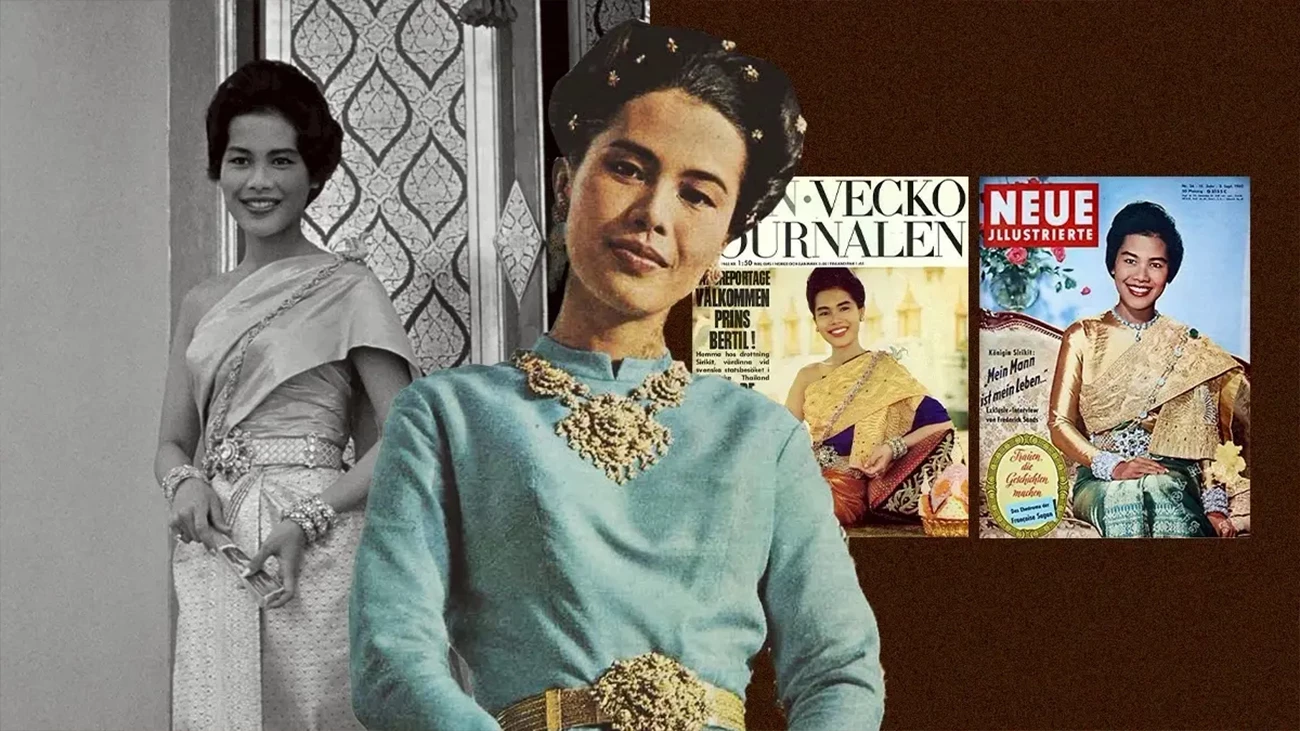
From 1960 state visits to eight signature styles: Queen Sirikit’s ‘chut Thai’ legacy
Textiles: The Canvas of Rank and Royalty
At the core of every Chut Thai lies Thailand’s legendary handwoven silk. Queen Sirikit, later titled “Mother of Thai Silk,” revived village weaving traditions through the SUPPORT Foundation (founded 1976) and established the Queen Sirikit Museum of Textiles in 2003. Fabrics draw from ancient techniques: pha sin (wrap skirts), yok (raised brocade), and mudmee (ikat). Patterns (lai)—lotus flowers, mythical creatures, geometric motifs—carry spiritual and auspicious meanings, often dyed in vibrant natural hues.
But the true marker of status lies in the gold thread and embroidery. In historical Thai court dress, strict sumptuary laws (dating back to the Ayutthaya period) dictated exactly who could wear what. Commoners wore plain cotton; nobility donned silk; only the highest ranks received gold-embroidered brocades, gold leaf accents, sequins, or gems. The quantity, placement, and complexity of gold threads revealed precise position: a queen or high consort might wear a long skirt with dense golden patterns and royal shoes, while lesser nobles had sparser motifs or silver instead of gold. Draping styles (chong kraben or sbai) and fabric weight further signaled hierarchy.
In the modern Chut Thai, this tradition lives on. Formal styles like Chakri and Chakkraphat feature “yok” silk brocade—raised, shimmering patterns created by weaving supplementary gold or silver threads into the weft. These are not mere decoration; they echo centuries-old royal protocols where gold thread denoted proximity to the throne.
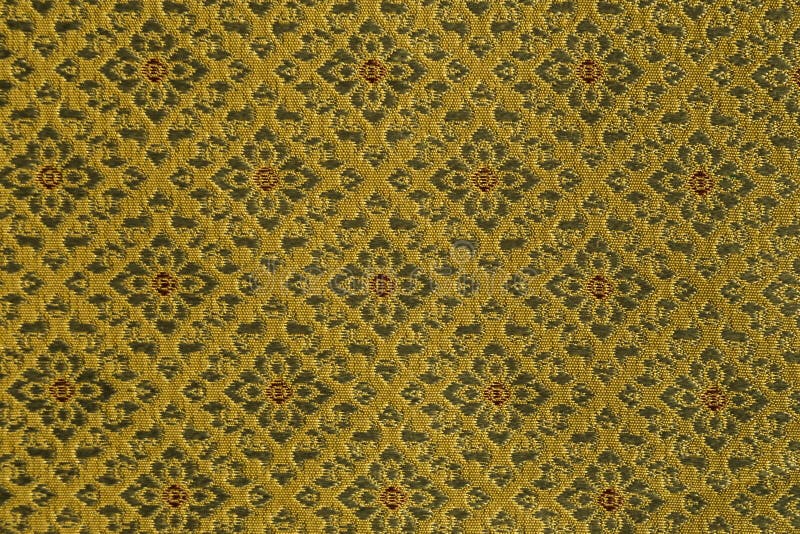
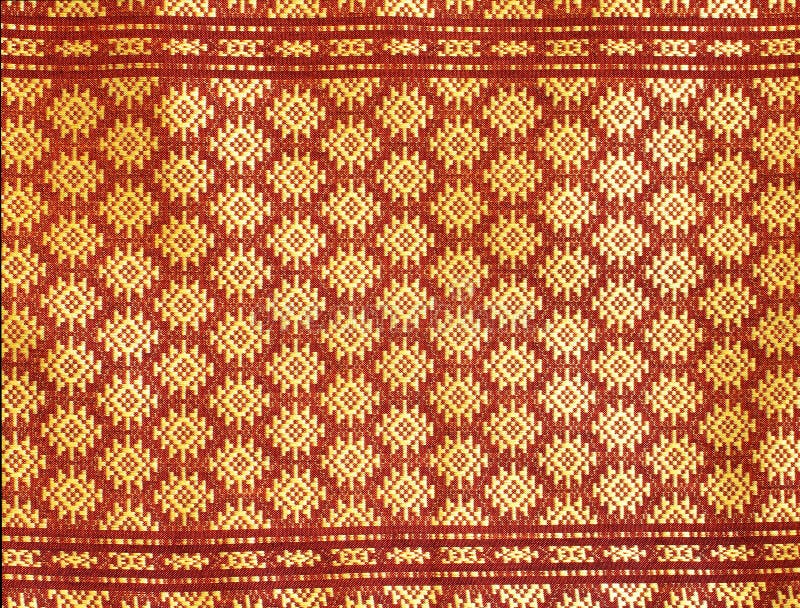
The Deep Significance of Gold in Thai Cloth and Culture
Gold is far more than a precious metal in Thailand—it is divine, eternal, and inherently royal. Rooted in Hindu-Buddhist cosmology, the king embodies Devaraja (god-king) and solar power; gold, like the sun, never tarnishes, symbolizing immortality, purity, and unassailable authority. Buddhist merit-making often involves gilding statues or offering golden cloth, linking the metal to enlightenment and prosperity.
In textiles, gold thread—historically real gold leaf wrapped around a silk or cotton core, or metallic “zari”-style yarns—transforms fabric into living regalia. Techniques like Jok and Yok Thong create raised, light-reflecting patterns that shimmer under ceremony lights, evoking a halo of glory. Producing such cloth was (and remains) extraordinarily labor-intensive and costly, making it exclusive to the elite. A single royal garment could require months of village weavers’ work, supplied with gold thread by the palace itself (as King Mongkut did in the 19th century).
Gold in cloth also served practical symbolism: it elevated the wearer’s aura, reflected light to signify divine favor, and visibly reinforced social order. Higher ranks received denser gold motifs—specific royal lai reserved exclusively for the monarchy—while lower positions wore simpler versions or none at all. Even today, in Chut Thai for state events or royal functions, the presence and intricacy of gold thread immediately signals formality and prestige.
Queen Sirikit understood this power intimately. By embedding gold-threaded brocades into national dress, she not only revived a dying craft but democratized its beauty—allowing Thai women everywhere to wear echoes of royal splendor while honoring the strict hierarchies of the past.
Her legacy endures in every Chut Thai worn at weddings, pageants, or diplomatic receptions, in the SUPPORT Foundation’s rural silk projects, and at the Queen Sirikit Museum of Textiles. What began as a 1960s diplomatic masterstroke became Thailand’s living cultural armor: elegant, symbolic, and shimmering with the eternal light of gold. Through Queen Sirikit’s vision, the last great queen of her era did not merely dress the nation—she wove its soul in silk and gold.