
A Guide to Literary Landmarks & Living Culture
Beneath Shanghai’s iconic skyline of glittering towers lies a city that has long been a crucible of ideas. From the printing presses of the 1930s that fueled a literary golden age to the avant-garde bookshops of today, Shanghai’s soul is indelibly inked on paper. This is a journey through its hallowed reading rooms, visionary bookstores, and the lingering presence of the literary giants who called it home.
For travel and food videos, my books, and much more be sure to subscribe (free) at https://indignified.substack.com and follow my Instagram at https://www.instagram.com/cd_indignified
Architectural Wonders & Modern Sanctuaries
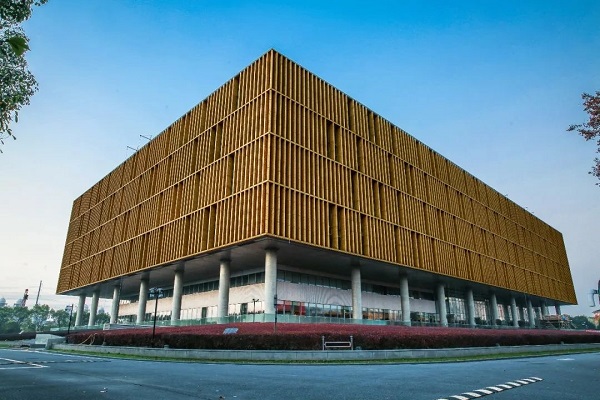
Shanghai Pudong Library (East Branch)
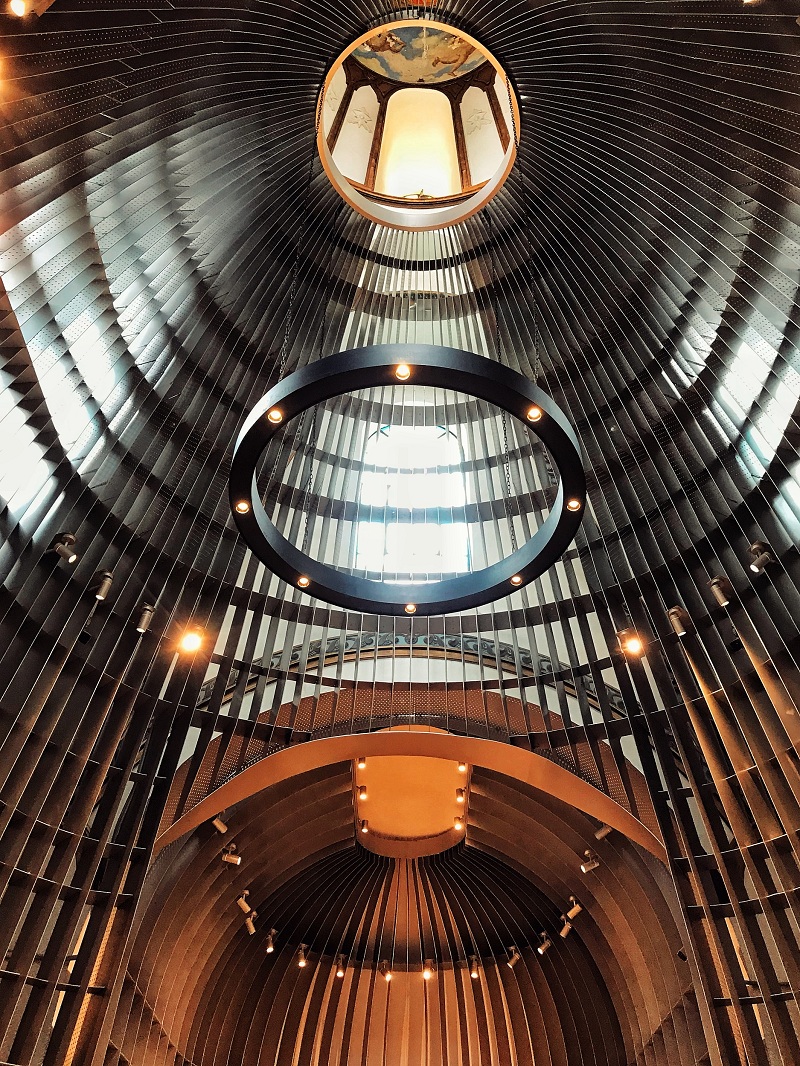
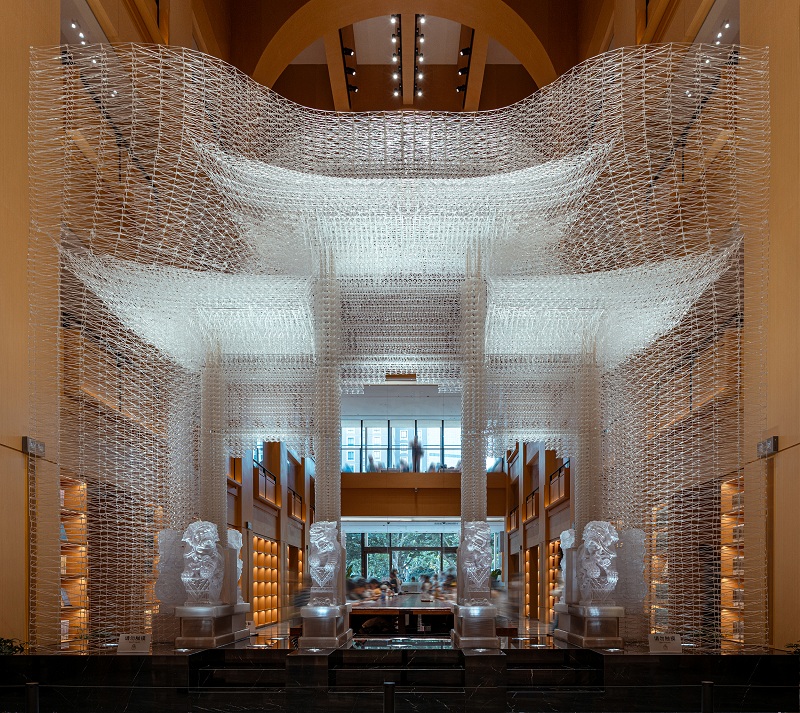
Opened in 2023, this is not merely a library but a staggering monument to 21st-century learning. Located in Pudong’s Cultural Park, its architectural form—envisioned as a floating forest of knowledge—features a breathtaking, multi-story atrium crisscrossed by walkways and illuminated by a vast glass facade. Beyond its collection of millions of volumes, it houses state-of-the-art lecture halls, exhibition spaces, and specialized reading rooms dedicated to art, music, and international literature. It stands as Shanghai’s bold, future-facing statement on the enduring public value of libraries.
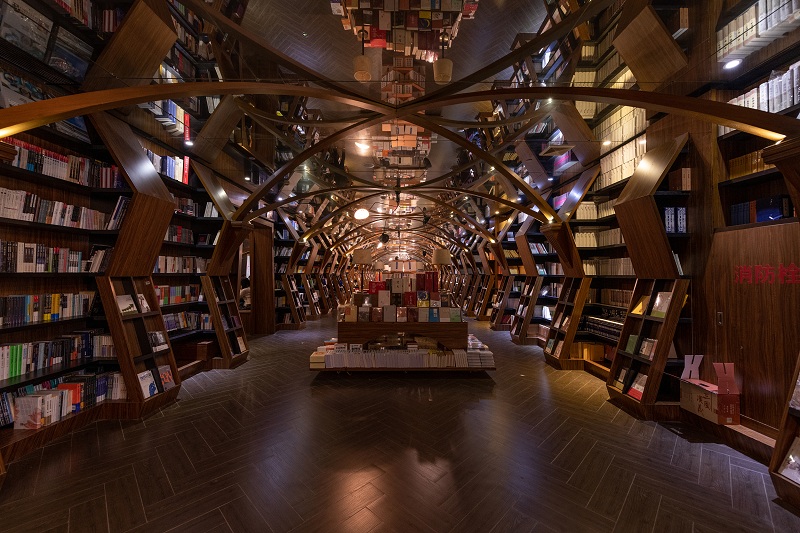
Zhongshuge Bookstore (钟书阁)
A pilgrimage site for design and book lovers alike, Zhongshuge redefines the bookstore as an immersive art installation. Each branch is a unique wonder:
- Songjiang Flagship: Famous for its mirrored ceilings and archways that create an infinite “tunnel of books” illusion.
- Xintiandi Branch: A sleek, black-and-white marble wonderland with a luminous central atrium.
- Waterfront Branch: Features dramatic, floor-to-ceiling bookshelves and reading nooks with panoramic views of the Bund.
It masterfully blends spectacle with substance, offering curated selections in a space that demands quiet contemplation.
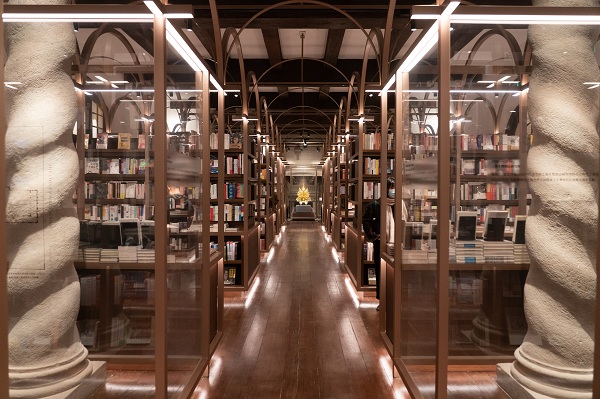
Tsutaya Books (茑屋书店)
Hailing from Japan, Tsutaya Books in the trendy Shanghai Columbia Circle represents a pinnacle of lifestyle curation. More than a bookstore, it’s a “culture and living” complex. Its expansive, museum-like interior houses a meticulously selected collection of art books, design magazines, and literature, interspersed with high-end stationery, homeware, and a chic café. The atmosphere is one of serene, sophisticated discovery, encouraging visitors to linger and explore a refined vision of life intertwined with reading.
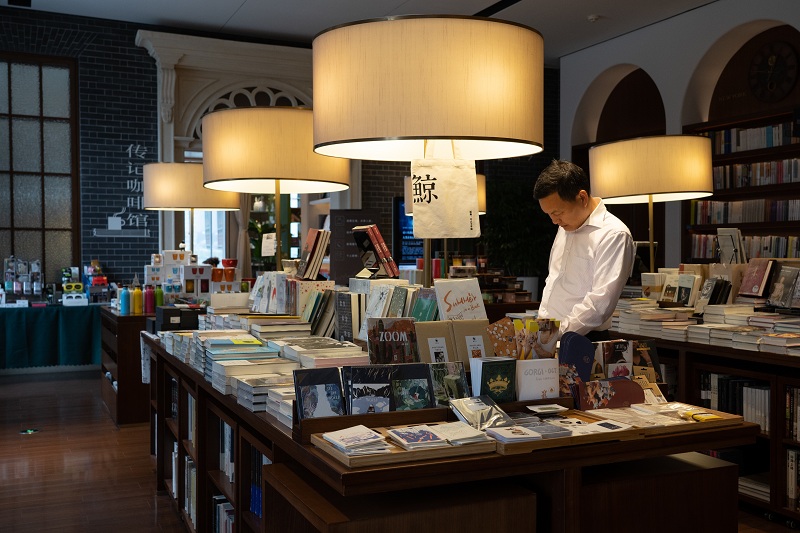
JIC Books (建投书局)
Located on the North Bund, JIC Books is renowned for its “Biography”-themed reading room with massive, cathedral-like windows framing a stunning view of the Huangpu River. The store’s aesthetic is clubby and scholarly, with dark wood shelves, brass fittings, and a focus on serious non-fiction, economics, and humanities. Its upper-floor event space regularly hosts deep-dive academic lectures and author salons, catering to an intellectual crowd seeking meaningful discourse.
Historic Havens & Cultural Icons
- Sinan Books (思南书局): Occupying a historic villa, this is the heart of Shanghai’s literary salon culture.
- 1984 Bookstore: An independent hideaway with a magical courtyard, perfect for contemplative reading.
- Shanghai Library (Huaihai Road Main Branch): The beloved, comprehensive predecessor to the Pudong titan, still deeply active.
- Bibliotheca Zi-Ka-Wei: The city’s oldest library, a silent witness to centuries of cultural exchange.
A Calendar of Literary Celebration
Shanghai’s literary year is punctuated by vibrant events that draw global crowds:
- Shanghai International Literary Festival (March): The premier English-language literary event, held at venues like the Waterhouse at South Bund, featuring acclaimed international and Chinese authors.
- Shanghai Book Fair (August): A city-wide celebration. The main exhibition is a book-lover’s marathon, while satellite events pop up in independent bookstores across town.
- Sinan Reading Festival: A recurring series of talks, markets, and community readings in the historic Sinan Mansions area, embodying the neighborhood’s literary spirit.
- M on the Bund Literary Salons: While the restaurant has closed, its legacy of high-profile literary lunches and discussions continues in various forms at other venues.
The Ghosts of Literary Giants
Walking Shanghai’s streets, one walks in the footsteps of legends:
- Lu Xun (鲁迅): The fierce social critic spent his final years in Shanghai. His former residence and museum in Hongkou (near the Duolun Road Cultural Street) and his solemn tomb in Lu Xun Park are essential visits.
- Eileen Chang (张爱玲): The unparalleled chronicler of Shanghai emotion. Her former apartment at 65 Changde Road is a private residence, but fans trace her steps through the city’s old lanes and the Art Deco hallways of the Peace Hotel, which she frequented.
- Mao Dun (茅盾) & Ba Jin (巴金): Their beautifully preserved former homes on Sinan Road and Wukang Road, respectively, are now intimate museums, offering a glimpse into their writing worlds.
- The International Set: J.G. Ballard’s childhood in the Lunghua Civilian Assembly Center shaped his dystopian vision. Emily Hahn, the New Yorker writer, chronicled the city’s wild interwar years, while figures like Harold Acton and Sylvia Beach (founder of Paris’s Shakespeare and Company) were visitors, weaving Shanghai into the global literary tapestry.
The Enduring Page
From the solemn quiet of a researcher’s carrel in Pudong Library to the aesthetic thrill of Zhongshuge’s mirrored halls, from the intellectual buzz of a JIC Books lecture to the ghostly presence of Chang in a quiet alley—Shanghai’s literary landscape is a layered text itself. It reveals a city forever in conversation: between its riotous past and its ambitious future, between private contemplation and public discourse. To explore it is to understand that for Shanghai, every book opened is a new bridge built, and every bookstore is a keeper of the flame.